
Conviction, Surrender, Pride, Dependence, Reverence, Sobriety, Repentance, Hope, Realignment, Leadership
James 4:10 ESV
Humble yourselves before the Lord, and he will exalt you.

There are moments when everything in you wants to push up, not bow down. Image, status, respect, and control feel non‑negotiable, especially when you already carry the weight of leading and providing. Yet pride quietly poisons relationships, prayer, and even good work. These words cut through the noise and call a man to take the low place on purpose in front of God, not because he is weak, but because he finally sees who is actually in charge. This is for the man who is tired of pretending he has it all together and is ready for God to be the One who does the lifting.
James writes to believers scattered under pressure, confronting not just their circumstances but their hearts. Chapter 4 exposes quarrels, selfish desires, worldliness, and pride. He shows how fights and conflicts often flow from cravings that battle within, and how friendship with the world puts a man at odds with God. Into that mess, James reminds his readers that God gives more grace and quotes, “God opposes the proud but gives grace to the humble.” Then come the commands: submit to God, resist the devil, draw near to God, cleanse hands, purify hearts, grieve over sin, and finally, “Humble yourselves before the Lord, and he will exalt you.”
The verse reveals a God who pays attention to posture. Humbling yourself “before the Lord” is not a performance in front of people. It is a realignment in God’s presence. It means seeing your sin for what it is, dropping excuses, and acknowledging that every breath, gift, and opportunity comes from Him. Exaltation here is God’s work, not your brand strategy. He lifts, strengthens, restores, and honors in His time and His way. James ties this directly to grace: the man who insists on staying high in his own eyes finds God resisting him; the man who willingly bows finds God’s favor moving toward him.
For men today, this call lands right where ego, leadership, and pressure intersect. You may know how to grind, build, and defend yourself, but humbling yourself before the Lord means you invite His verdict over your motives, not just over your results. It looks like confessing sin clearly instead of dressing it up, apologizing without spin, listening before defending, and making decisions that honor God even when they cost you visibility or applause. This is not about self‑loathing; it is about clear‑eyed honesty that puts God back in the highest place and is willing to let Him decide when and how to lift you up.
Imagine this, the office is quiet after everyone leaves, and a man sits staring at an email thread where he knows he pushed too hard to prove himself right. He could craft a justification and move on, but something in him is tired of being driven by the need to win. He leans back, exhales, and prays, “Lord, I have been fighting for my own name more than Yours. I was wrong.” Then he types a simple apology without excuses. Nothing dramatic happens in that moment, but something shifts: he has chosen to bow in front of God instead of staying tall in front of people.
The rest of James 4 keeps pressing this theme of humble, submitted living: refusing to slander brothers, rejecting arrogant boasting about tomorrow, and recognizing that knowing the good and refusing to do it is sin. Walking through the chapter shows that humility before the Lord is not a mood. It is a way of life that touches speech, planning, conflict, and the way a man holds his future.
Here are several clear examples of biblical humility in men, with a focus on what their humility looked like in real life and what it means for you.
Moses – Silent under criticism
Moses is explicitly called “very humble, more than all men who were on the face of the earth.” Numbers 12 says this when Miriam and Aaron speak against him and question his role. Moses does not defend himself or argue his case. He does not launch a counterattack or remind them of his calling. He stays quiet, and God Himself steps in to confront them and to affirm Moses as His chosen servant.
For you: humility shows up when you are criticized, misunderstood, or challenged. Instead of rushing to prove yourself right, you can choose restraint, let your character speak, and trust God to vindicate you in His time.
David – Owning sin without spin
When the prophet Nathan confronts David about his adultery with Bathsheba and the arranged death of Uriah, David could have denied, justified, or silenced Nathan. Instead, he simply says, “I have sinned against the Lord.” Psalm 51 shows how deep that confession runs: he takes full responsibility, asks for mercy, and does not blame circumstances or others.
For you: humility looks like naming your sin plainly, especially when you have position or power, and seeking forgiveness rather than managing your image.
Peter – Receiving restoration after failure
Peter insisted he would never deny Jesus, but then denied Him three times. After the resurrection, Jesus meets Peter by the sea and asks three times, “Do you love me,” then recommissions him: “Feed my sheep.” Peter does not boast or compare himself to others anymore. He simply appeals to Jesus’ knowledge of his heart: “Lord, you know that I love you.” He accepts grace and a new assignment instead of disqualifying himself or trying to prove himself with big promises.
For you: humility means letting Jesus restore you after failure, accepting His grace, and stepping back into obedience without grand claims, knowing your strength is not in you but in Him.
Paul – Serving as “least” and “chief of sinners”
Paul had serious credentials: background, training, and missionary fruit. Yet he calls himself “the least of the apostles” and “the foremost” of sinners. He sees his past persecution of the church clearly and never forgets that his ministry is pure mercy. That awareness does not crush him; it keeps him grateful and dependent as he works hard and suffers for the gospel.
For you: humility is remembering where God pulled you from, letting that memory keep you grateful instead of entitled, and serving others as a man who knows he has received more mercy than he could ever earn.
Jesus – The pattern for every man
Philippians 2 points to Jesus as the ultimate example of humility. Though He existed in the form of God, He did not cling to His rights. He emptied Himself, took the form of a servant, and became obedient to the point of death on a cross. His path goes downward before it goes upward; only after the cross does the Father highly exalt Him.
For you: humility means taking the servant’s role in real situations – at home, at work, in church, and trusting God with recognition and reward. You do not cling to your rights at the expense of obedience. You follow the pattern of the One who went low first and was lifted in God’s time.
Pride blocks a man at every key point of spiritual growth.
Cuts you off from God’s grace
Scripture is blunt that God actively resists pride, not just disapproves of it. James says, “God opposes the proud but gives grace to the humble.” That word “opposes” pictures God setting Himself in battle formation against a proud posture. When a man insists on staying self‑sufficient, he is not just “a bit off”; he is positioning himself against the flow of God’s help. Grace is like a river that runs low, not high, so the man who will not bow stays dry.
Creates spiritual blindness and self-deception
Pride deceives the heart. Obadiah says, “The pride of your heart has deceived you,” and many commentators note how pride blinds a person to his real condition. When you assume you see clearly, you stop examining yourself and stop letting God search you. That blindness makes it almost impossible to repent because you do not really think you need to change. Spiritual growth, which depends on teachability and correction, stalls out.
Hardens the heart and resists correction
Pride makes a man resistant to feedback from God and from people. A topical survey on pride notes that it “fosters a sense of self-sufficiency that negates the need for divine guidance and correction.” When you cannot receive reproof from Scripture, from the Spirit’s conviction, or from brothers who love you, you lock yourself into your current level of maturity. Proverbs ties pride to disgrace and links humility with wisdom, showing that the man who will not bend will eventually break.
Weakens prayer and dependence
Pride and real prayer do not coexist for long. Pride pushes God to the margins of your thought life, and Psalm 10 describes the proud man as one who does not seek God and has no room for Him in his plans. When you rely on your own strength and strategies, your prayer life shrinks to emergencies or religious duty. One analysis notes that pride makes people “less receptive to divine guidance,” leading to decreased prayer and dependence. That means less guidance, less comfort, and less power in the battles you are actually facing.
Sets you on a path toward a fall
Proverbs warns, “Pride goes before destruction, and a haughty spirit before a fall.” The pattern is consistent: a man lifts himself up, trusts his own wisdom, ignores warning, and eventually hits a wall. The fall may be moral, relational, financial, or spiritual, but it is rarely random. Pride makes you overconfident, under-accountable, and slow to heed danger. Over time that trajectory is destructive, even if the collapse is delayed.
Damages relationships and isolates you
Pride makes conflict worse because it demands to be right, to be recognized, and to have the last word. Teaching on pride’s impact notes that it “severely damages our connections with God and others,” increasing struggles in relationships. When a man cannot apologize, listen, or yield, people around him start to pull back. Isolation follows, which only reinforces his belief that he is fine and others are the problem. That isolation is deadly for a man’s spiritual health.
Feeds “spiritual pride” and religious performance
There is a kind of pride that hides inside religion. It takes joy not in what Christ has done, but in what “I” can do, know, or avoid. Warnings about spiritual pride point out how easy it is to be proud of being “the humble one,” proud of your theology, or proud of your ministry. That kind of pride keeps a man comparing himself to others instead of looking at Jesus. It turns disciplines like prayer, Bible reading, and serving into ways to feel superior rather than ways to receive grace.
If you want a simple grid to check pride in your own heart, ask:
Do I resist correction, even when it is clearly rooted in Scripture
Do I pray less when I feel strong and capable
Do I secretly feel superior to other men because of my gifts, story, or obedience
Do I justify my sin more than I confess it
Where the answers are “yes,” pride is already hindering you. The good news is that the same passages that warn about pride also promise that when a man humbles himself, grace rushes in.
THE DEEPER DIVE
Pride is not just a personality quirk. Scripture treats it as a spiritual condition that puts a man on the wrong side of God’s work. Multiple passages connect pride to resistance from God, relational breakdown, and eventual collapse. When a man is proud, he is effectively trying to live as his own center of gravity. That shows up in how he makes decisions, how he handles correction, how he prays (or does not), and how he measures himself against others. Over time, pride does not merely slow spiritual growth; it redirects it into self‑protection and self‑promotion.
Biblically, pride is not only loud arrogance. It can be quiet self‑sufficiency, a refusal to need help. Analyses of pride in Scripture note that it often begins with “an inflated sense of one’s importance, abilities, or righteousness,” which blinds a person to his actual dependence on God. A man can preach humility and still function as if everything ultimately depends on him. That is why God’s response is so strong: “God opposes the proud but gives grace to the humble” is repeated in both James and Peter. Pride is not neutral ground. It is ground where God is actively pushing back.
WHAT PRIDE SHOWS ABOUT A MAN’S HEART
When pride is operating, it reveals several things about a man’s heart. First, it shows he trusts his own evaluation more than God’s. Instead of letting Scripture and the Spirit expose motives, he assumes his read is accurate. Studies on pride note that this leads to “spiritual overconfidence,” where a person thinks he is more mature than he really is. Second, pride shows that a man is more concerned with his own name than God’s. That can be obvious (boasting) or subtle (needing to win every conflict, needing every idea to be his). Third, pride reveals that his functional security is in his performance, reputation, or control, not in God’s grace.
Because of this, pride often coexists with hidden insecurity. A man may act strong, but underneath he is constantly managing how he is perceived. Rather than resting in being a son who is loved and led, he becomes an operator who must hold everything together. That heart posture makes it very hard to receive grace. Grace is for the needy; pride tries hard never to look needy.
HOW PRIDE FLOWS THROUGH A MAN’S LIFE
Pride usually does not announce itself directly. It flows through patterns:
In thinking: “I see this clearly; others are overreacting or missing it.”
In decisions: moving ahead without prayer or counsel because “I’ve got this.”
In conflict: defending, minimizing, or counter‑attacking instead of listening and owning what is true.
In response to Scripture: filtering hard words toward others more than toward self.
In ministry or work: quietly needing recognition, feeling threatened by others’ gifts, or measuring worth by visible results.
Topical studies on pride highlight that it becomes “a hindrance to improvement,” because it cuts off the normal channels God uses to grow a man – correction, community, and dependence. Over time, those patterns harden. A man becomes less correctable, less honest, and more isolated, even if he stays busy and outwardly productive.
WORD AND PHRASE INSIGHT (PLAIN LANGUAGE)
Several key biblical phrases sharpen how pride hinders:
“Pride goes before destruction, and a haughty spirit before a fall” (Proverbs 16:18) ties pride directly to collapse. Pride is like driving faster while ignoring warning lights.
“God opposes the proud but gives grace to the humble” (James 4:6, 1 Peter 5:5) shows that pride is not only risky; it brings God’s active resistance, while humility opens the door for more grace.
“The pride of your heart has deceived you” (Obadiah 1:3) captures how pride fogs perception so a man cannot see how vulnerable he really is.
Put together, these ideas show why pride is so destructive spiritually: it blinds, hardens, and accelerates a man toward consequences he refuses to see.
IMPLICATIONS FOR IDENTITY, CALLING, AND RISK
Identity: Pride makes a man build his identity on what he does, knows, or controls. That makes his sense of worth fragile and defensive. Spiritually, he becomes more concerned about being seen as strong than about actually being transformed. Humility, by contrast, roots identity in being a forgiven, led son of God, which frees him to admit weakness and receive help.
Calling: A man’s calling – as a husband, father, worker, servant, leader, it requires constant adjustment and dependence. Pride resists both. It says, “I already know what I’m doing,” even when the fruit says otherwise. That keeps a man from growing in roles God actually wants to expand. Humility keeps him teachable, open to course correction, and willing to change long‑held patterns.
Risk: Pride makes some men reckless (because they trust themselves too much) and others paralyzed (because failure would shatter their self‑image). Both hinder obedience. When a man is humble, he can take faith‑risks, confessing sin, owning mistakes, making hard decisions, because his ego is not the main thing he is protecting.
HOW THIS SHOWS UP IN ORDINARY DECISIONS
You see pride hindering spiritual growth in quiet ways:
A man hears a sermon on anger and immediately applies it to his wife, kids, or coworkers, but does not ask where his own reactions have been out of line.
Another man is confronted gently about a pattern (lateness, harsh tone, hidden compromise). He spends most of his energy explaining and defending, rather than asking, “What is God showing me here”
A leader at church or work feels threatened by younger men growing in gifting. Instead of mentoring and empowering them, he subtly sidelines them to keep his own place secure.
In each case, pride blocks the very growth God is trying to bring. The man may stay active, but his character stalls.
PRACTICAL QUESTIONS FOR SELF‑EXAMINATION
To let God press this deeper, you can ask:
When was the last time I clearly admitted, “I was wrong,” without attaching excuses
How do I react inside when someone corrects or questions me, especially someone “beneath” me in age or position
Do I pray differently when I feel strong and successful than when I feel weak and needy
Are there sins or weaknesses I will acknowledge in general terms but refuse to name specifically before God or trusted brothers
Where am I more focused on my reputation than on my actual obedience
Sitting with those questions honestly is already a step away from pride and toward the humility that invites God’s grace.
HELPFUL RESOURCES FOR DEEPER STUDY
Pride in the Bible: Why it’s so dangerous and how it works
https://soh.church/pride-in-the-bible/
Pride as a hindrance to growth – topical survey with many references
https://biblehub.com/topical/ttt/p/pride--a_hindrance_to_improvement.htm
“Pride goes before a fall” – explanation of Proverbs 16:18
https://www.gotquestions.org/pride-goes-before-a-fall.html
Commentary on Proverbs 16:18 and pride
https://biblehub.com/commentaries/proverbs/16-18.htm
“Pride and Humility” – teaching drawing from Scripture and C. S. Lewis
https://www.cslewisinstitute.org/resources/pride-and-humility/



Choosing The Low Place Before God
Lord, You see how quickly I defend myself, protect my image, and reach for the higher seat, and You also see the pride underneath that I am often blind to, so today I choose to take Your word seriously and humble myself before You. I admit that I have chased being right more than being righteous, admiration more than obedience, and comfort more than surrender; I have excused my sharp words, my quiet judgments, and my refusal to admit weakness. I am asking You to show me where my heart has been lifted up against You, where I have been fighting for my own name instead of honoring Yours. Teach me what it means, in real moments, to bow in Your sight: to confess sin clearly, to repent without conditions, to listen when Your Spirit confronts me, and to accept Your discipline as a good Father’s love rather than an attack on my worth. I am not asking You to make me small in a way that despises what You have given; I am asking You to make me honest about who I am and who You are, trusting that when I go low with You, You will lift me in the way and at the time that is best. Let my leadership at home, at work, and in ministry carry the weight of a man who has been on his knees, not a man propped up by ego. Lift me where I need courage, strength, and favor, but keep me low enough that I never forget Your grace is the only reason I stand at all. In Jesus’ name, Amen.
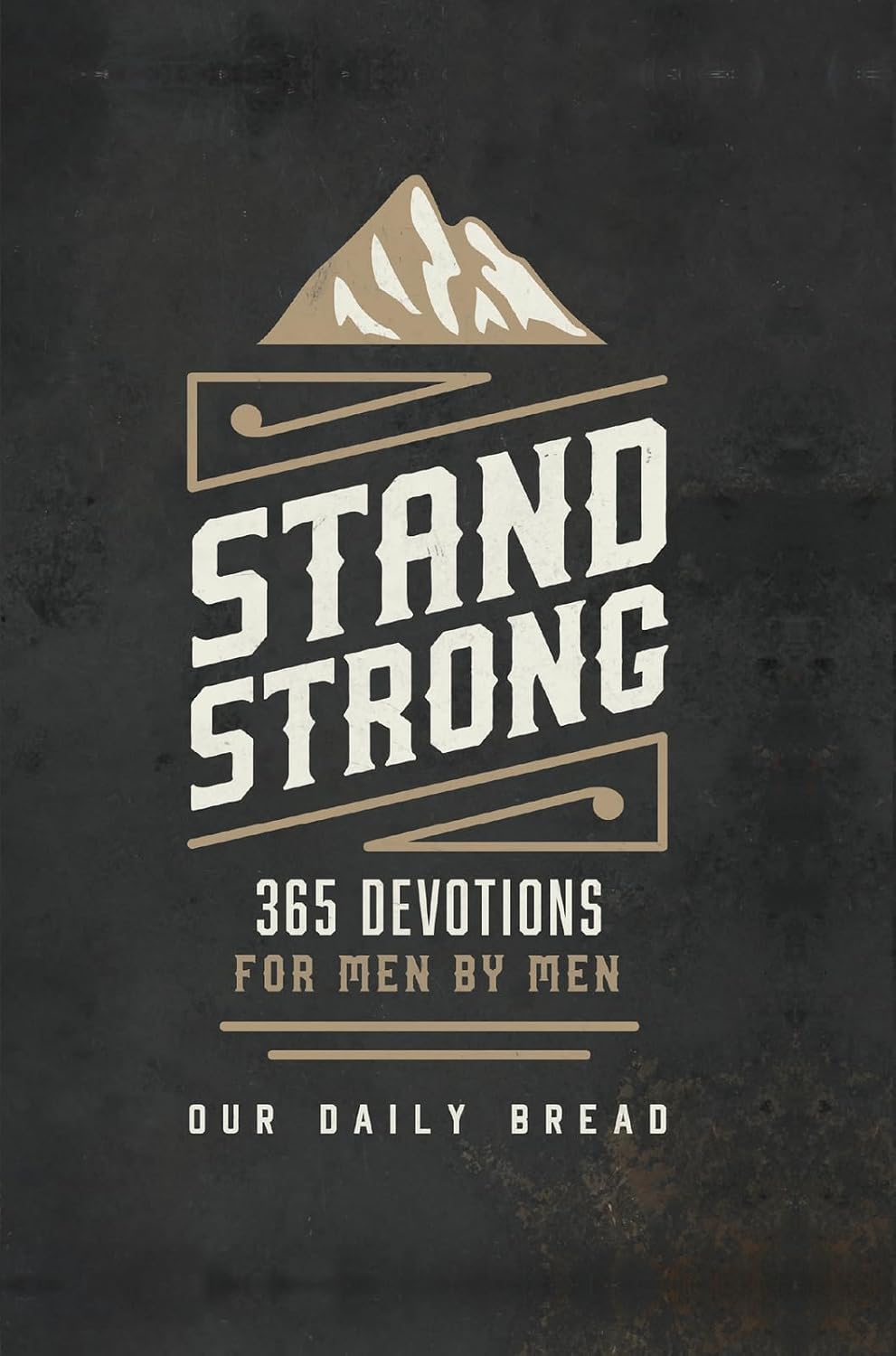
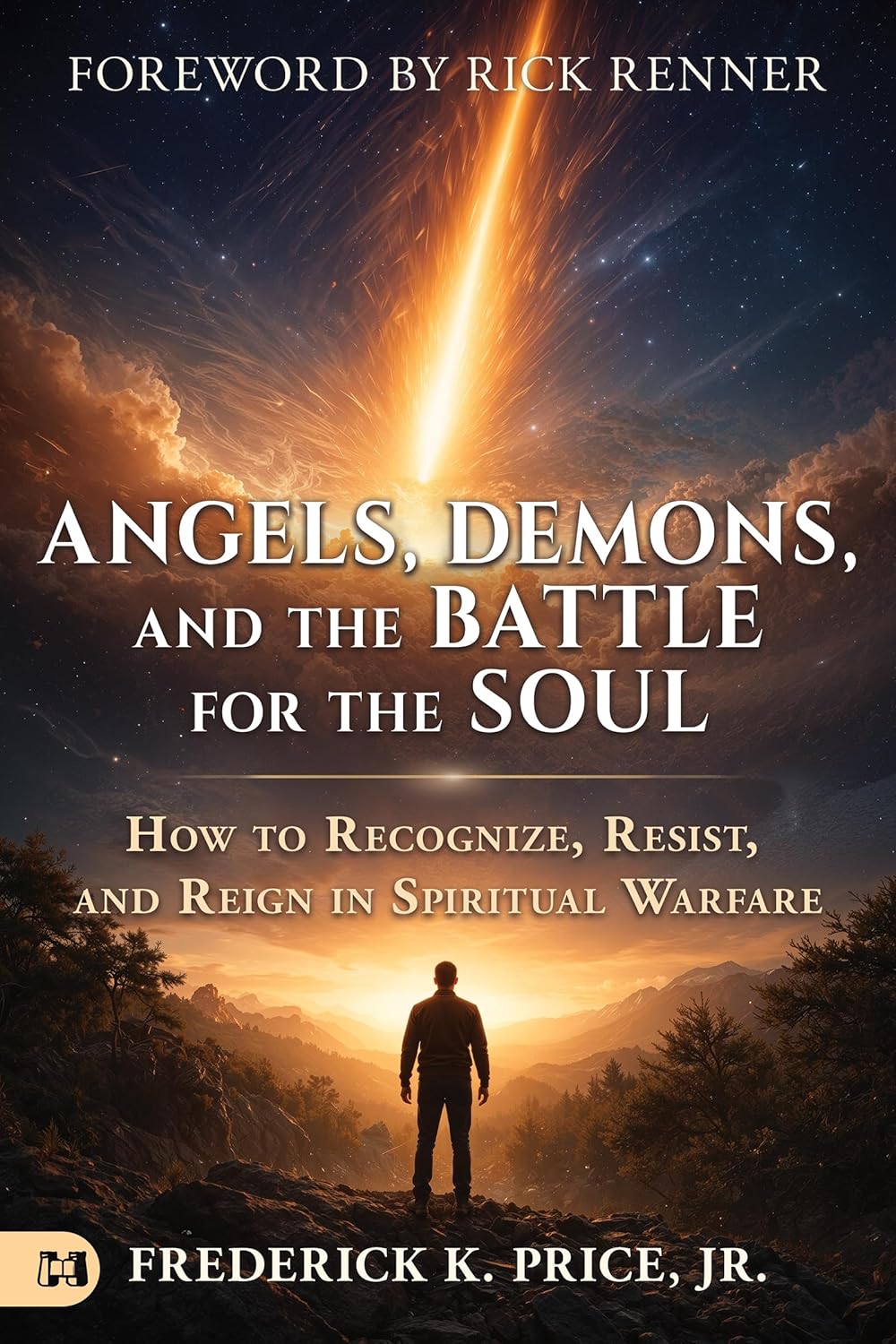
Stand Strong: 365 Devotions for Men by Men
Written by men for men, this devotional offers practical biblical encouragement for facing pressure, temptation, uncertainty, and everyday responsibilities with steady faith. It points men toward humility before God and the kind of strength He builds in a surrendered life.
1627079009

Copyright Notice
Copyright © 2026 Men Building Faith. All rights reserved.
All content on this website, including text, articles, devotionals, blog posts, graphics, logos, designs, photographs, videos, downloads, and other original materials (collectively, “Content”), is owned by Men Building Faith and is protected by U.S. and international copyright laws.
No part of this site may be copied, reproduced, republished, uploaded, posted, publicly displayed, transmitted, distributed, sold, licensed, or otherwise exploited for any purpose without prior written permission from Men Building Faith, except for brief quotations used for noncommercial purposes with proper attribution and a link back to the original page.
NLT- Scripture quotations marked (NLT) are taken from the Holy Bible, New Living Translation, copyright ©1996, 2004, 2015 by Tyndale House Foundation. Used by permission of Tyndale House Publishers, Carol Stream, Illinois 60188. All rights reserved.
NIV- Scripture quotations taken from The Holy Bible, New International Version® NIV® Copyright © 1973, 1978, 1984, 2011 by Biblica, Inc. Used with permission. All rights reserved worldwide.
AMP- Scripture quotations taken from the Amplified® Bible (AMP), Copyright © 2015 by The Lockman Foundation. Used by permission
NKJV- Scripture taken from the New King James Version®. Copyright © 1982 by Thomas Nelson. Used by permission. All rights reserved
ESV- Scripture quotations are from the ESV® Bible (The Holy Bible, English Standard Version®), copyright © 2001 by Crossway Bibles, a publishing ministry of Good News Publishers. Used by permission. All rights reserved.