
2026 Clergy Age Report Shows Young United Methodist Elders Still Declining
September 29, 2026
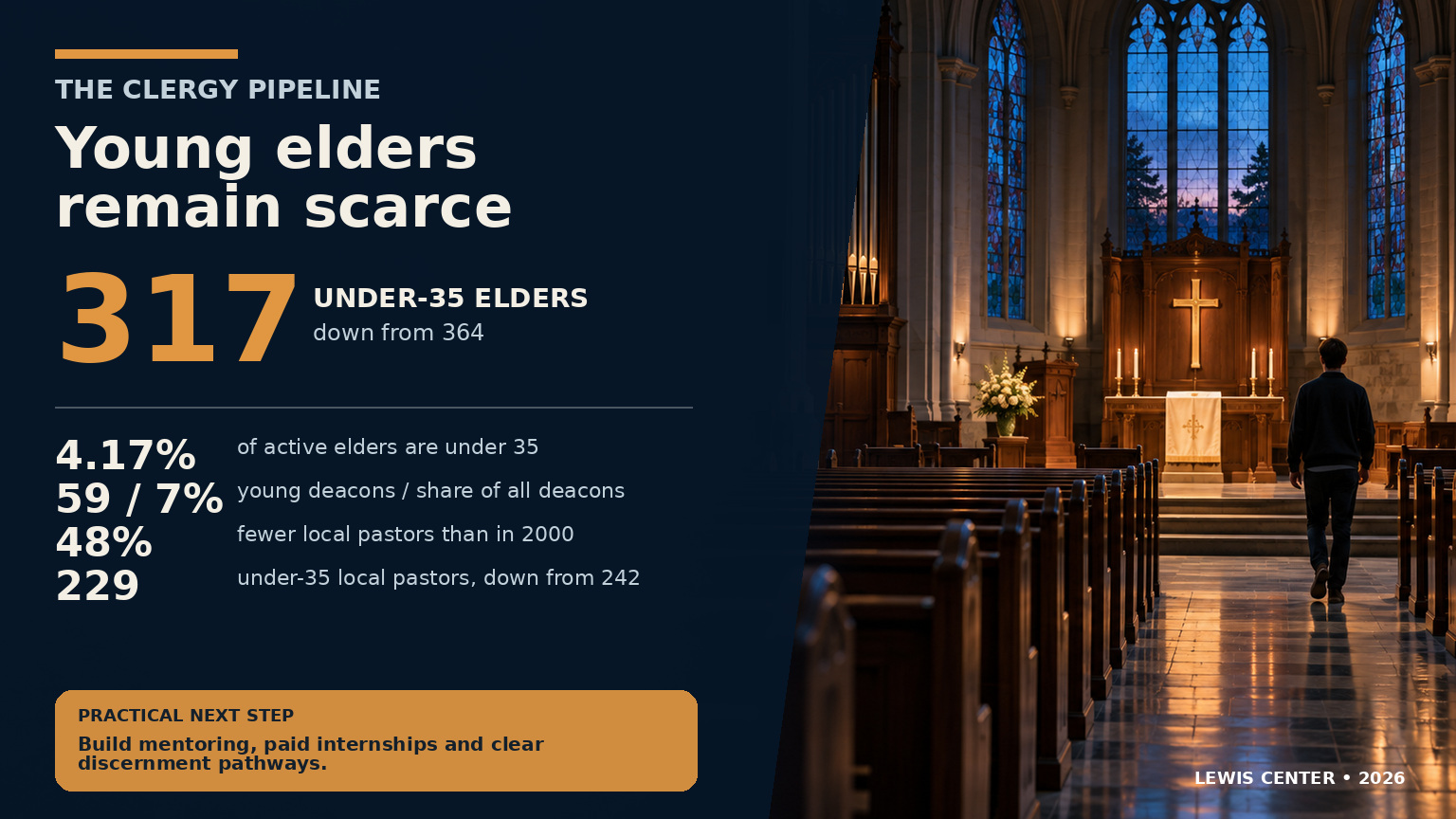
The Lewis Center’s 2026 clergy-age report finds that United Methodist elders under 35 fell from 364 to 317 and now represent 4.17 percent of active elders. The nationwide findings matter because congregations, annual conferences, and seminaries need a stronger, more visible pathway for calling, mentoring, and sustaining the next generation of pastors.
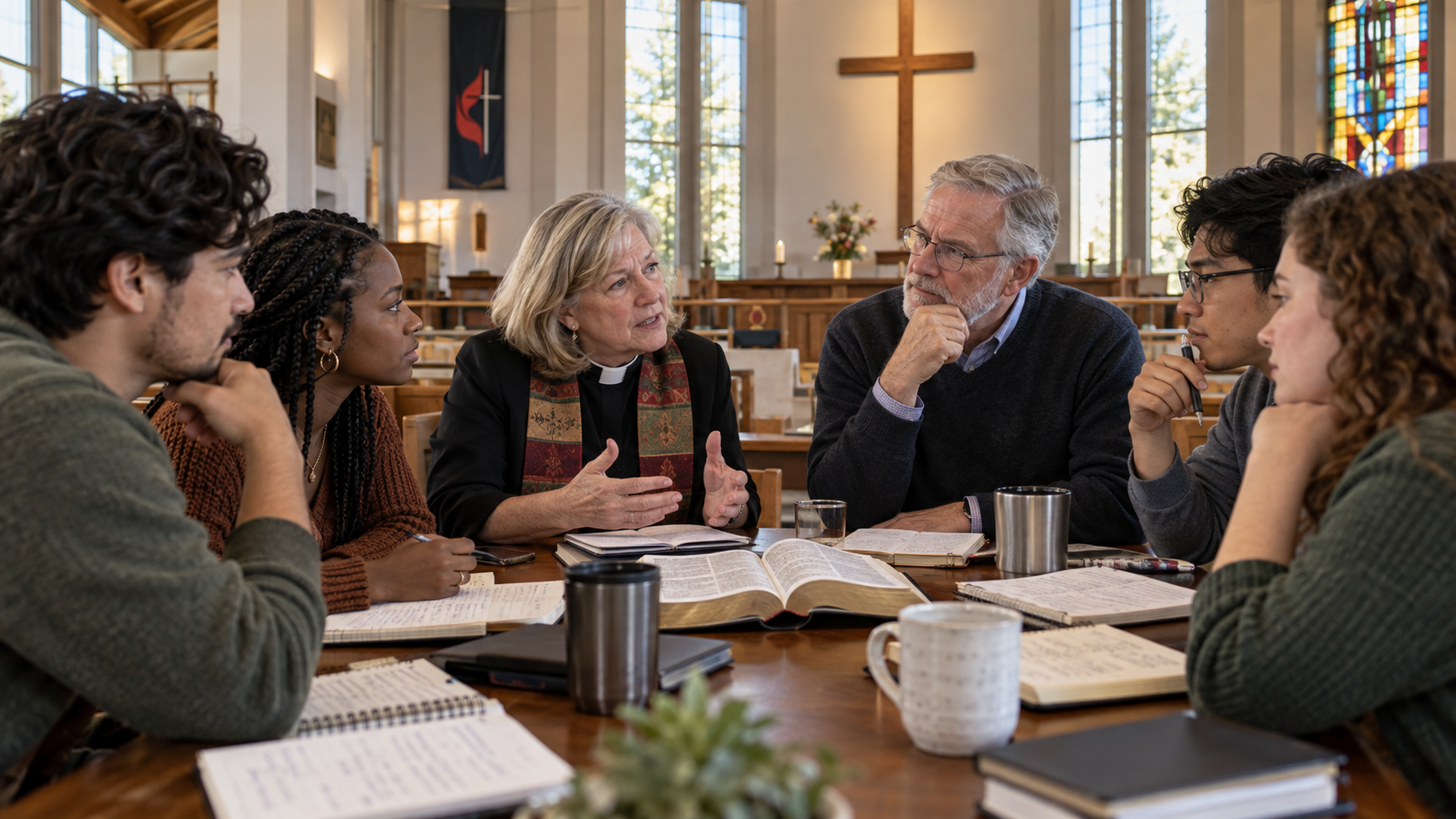
The United Methodist Church’s 2026 clergy-age picture contains a clear warning about the pipeline into ordained ministry. In a report published September 29, the Lewis Center for Church Leadership at Wesley Theological Seminary, working in partnership with Wespath, examined elders, deacons, and local pastors in the denomination’s five United States jurisdictional conferences. The project has tracked clergy age annually since 2005, providing a consistent view of how the active ministerial workforce is changing. This year’s most urgent finding is the continued scarcity of young elders. The number of provisional and full elders under age 35 fell from 364 to 317, extending a decline that has lasted a decade. Young elders now account for 4.17 percent of all active elders, down from 4.55 percent a year earlier. Women make up 45 percent of these young elders, the highest share recorded in the report, while the decline among young men was larger. The report also describes a more balanced distribution between the middle and older elder cohorts than the church had during the height of the baby-boom retirement transition, but people under 35 remain sharply underrepresented. Deacons present a somewhat different picture: the number under 35 held at 59, equal to 7 percent of all deacons. The relationship between deacons and elders has also shifted. In 2005, the denomination had one deacon for every 21 elders; in 2026, it has one for every 10. Together, those figures show that the concern is not simply an aging clergy body. It is a question of whether the church is cultivating enough younger people for distinct forms of ordained leadership.
The report’s local-pastor data broadens the challenge. The Lewis Center found 48 percent fewer local pastors in 2026 than in 2000 and 65 percent fewer local pastors under 35. The young local-pastor count declined from 242 in 2025 to 229 in 2026, remaining 6 percent of active local pastors. Because pension participation varies by annual-conference policy, some part-time local pastors are not included in Wespath’s data, so these numbers should be read as a measured picture of the covered clergy workforce rather than a complete census of every person serving a congregation. Even with that limitation, the long direction of the trend is difficult to ignore. A sustainable response will require more than asking seminaries to recruit harder. Congregations can identify gifts for preaching, pastoral care, administration, and mission while young adults are still active in local church life. Experienced pastors can offer intentional mentoring, honest conversations about the joys and costs of ministry, and opportunities to lead under supervision. Annual conferences can examine whether candidacy processes are understandable, timely, and financially realistic. Churches and denominational partners can also create paid internships or residency pathways so discernment does not depend on a young person’s ability to volunteer without income. The growth of the deacon-to-elder ratio may invite closer attention to the full range of Wesleyan ministry callings rather than treating one office as the only meaningful path. The central practical question is not whether younger Christians care about the church. It is whether the church makes vocational discernment visible, relational, and durable enough for those Christians to imagine a lifetime of faithful service. The report gives leaders a factual baseline; local churches must now turn that evidence into relationships, opportunities, and prayerful invitations.
Clergy Pipeline and Vocational Ministry
United Methodist; Wesleyan
Pastors; Denominational Leaders; Seminary Leaders; Church Members
Lewis Center for Church Leadership

The Conviction to Lead: 25 Principles for Leadership That Matters
R. Albert Mohler Jr.
This 2014 Bethany House paperback edition, ASIN 0764211250, connects the clergy-pipeline data to the formation of leaders whose convictions, character, communication, and stewardship can sustain Christian ministry.