
2027 Calvin Symposium Will Explore Worship, Trauma, and Healing
November 4, 2026
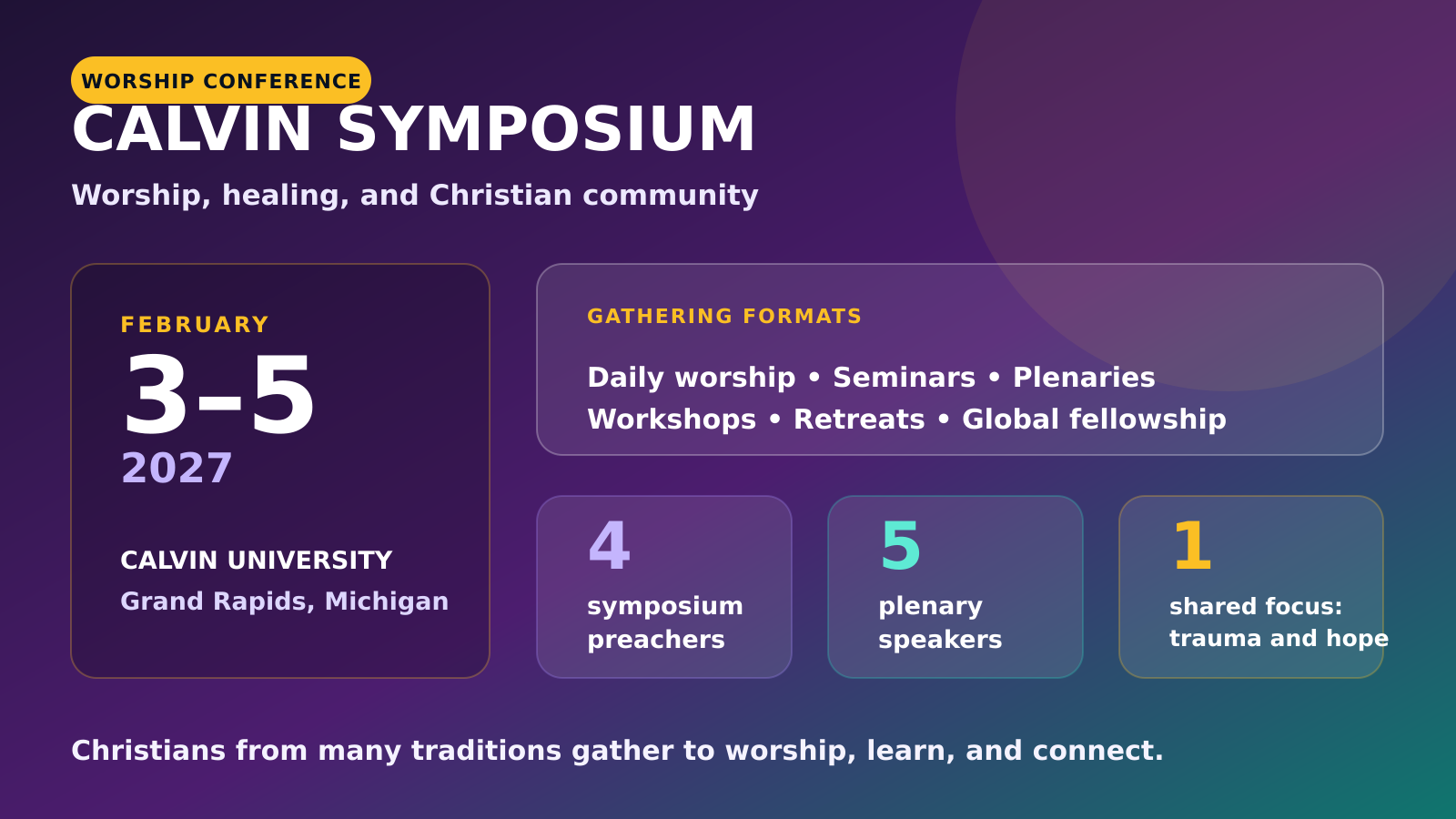
The 2027 Calvin Symposium on Worship will gather pastors, artists, musicians, scholars, students, and ministry leaders in Grand Rapids from Feb. 3 through Feb. 5. Worship services, seminars, plenaries, retreats, and workshops will examine trauma, Christ’s healing words, pastoral care, wise leadership, and faithful worship across Christian cultures and traditions.
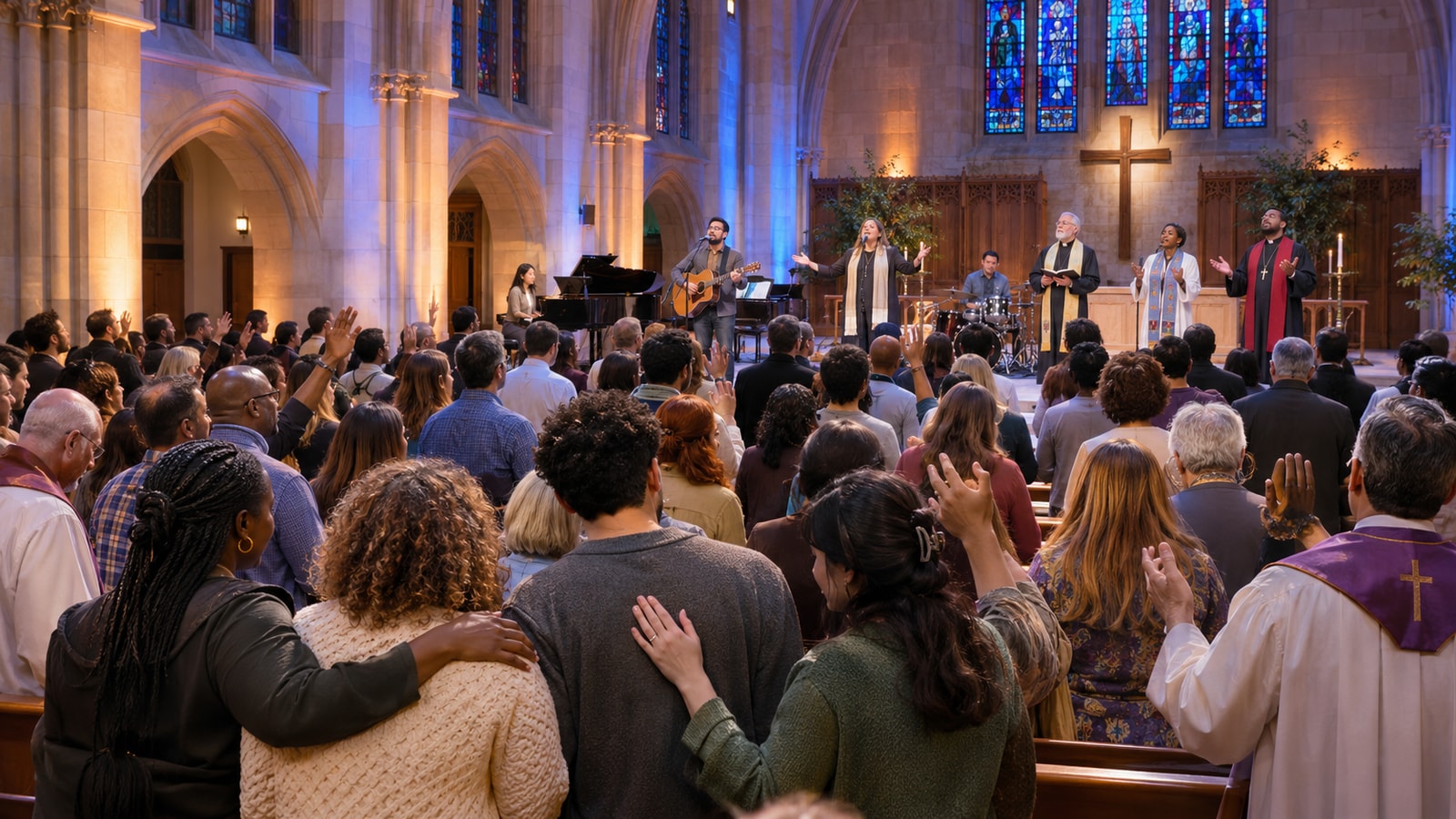
The Calvin Institute of Christian Worship will host the 2027 Calvin Symposium on Worship from Wednesday, Feb. 3, through Friday, Feb. 5, at Calvin University and Calvin Theological Seminary in Grand Rapids, Michigan. The gathering welcomes worshipers, pastors, artists, musicians, scholars, students, and ministry leaders from many Christian traditions and cultural settings. Organizers describe the symposium as an ecumenical space for worship, learning, and connection. The program includes daily worship services, seminars, retreats, plenary sessions, and workshops shaped by varied traditions and forms of Christian expression. The announced worship theme asks how God’s Word addresses trauma and directs attention toward the healing words Jesus gave people facing social, spiritual, and personal wounds. Four symposium preachers appear on the published program: M. Craig Barnes, Christina Edmondson, Najla Kassab, and David Latimore. Five plenary speakers are also listed: Noreen Herzfeld, Esau McCaulley, Patrick Schmadeke, Derek C. Schuurman, and W. David O. Taylor. Calvin University and Calvin Theological Seminary sit at 3201 Burton Street SE in Grand Rapids. The Calvin Institute of Christian Worship and the Center for Excellence in Preaching sponsor the event. The published information presents an in-person gathering and directs participants to the symposium website for registration details. Prospective attendees should use the official page for current pricing, lodging, schedule updates, accessibility information, and registration policies. The theme deserves careful attention because trauma language often enters church conversation without clear definitions or wise pastoral boundaries. The symposium’s stated emphasis places Scripture, worship, preaching, and Christian community at the center while inviting leaders to learn across disciplines and traditions.
Pastors and worship leaders face a serious responsibility when people enter worship carrying grief, abuse, violence, betrayal, illness, displacement, or spiritual injury. A church service should proclaim truth without manipulating fear, hiding suffering, or promising instant emotional relief. The Gospels show Jesus meeting wounded people with compassion, moral clarity, physical presence, prayer, truth, and restoration. Matthew 12:20 describes the Messiah refusing to crush a bruised reed or extinguish a smoldering wick. Christian worship leaders should carry the same gentleness while preserving the gospel’s call to repentance and faith. Teams preparing for this symposium should arrive with practical questions. How does congregational language affect people facing trauma? Do prayers allow lament alongside praise? Does preaching distinguish guilt from shame and conviction from coercion? Do ministry teams know when a person needs professional clinical care, emergency protection, or a report to civil authorities? Does the church protect confidentiality without concealing abuse? Worship in an Age of Anxiety by J. Michael Jordan offers a closely related resource. Jordan examines liturgy, space, music, preaching, and sacraments while arguing for worship shaped by trust and healing rather than emotional pressure. The book does not replace Scripture, pastoral care, counseling, or safeguarding policy. It gives leaders a framework for evaluating how worship practices affect anxious and wounded people. Attendees should bring insights home through specific action. Review prayers and song choices. Train prayer teams. Strengthen referral relationships with qualified Christian counselors. Revisit abuse-reporting procedures. Invite testimony without exploiting pain. Teach lament from the Psalms. Build services where truth and compassion remain joined. The symposium offers three days of concentrated learning, yet its real value will emerge through wiser weekly worship and healthier care for people after participants return home.
Worship and Church Life
Ecumenical
Church Leaders
Calvin Institute of Christian Worship
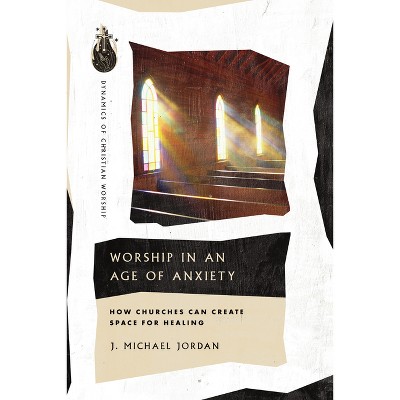
Worship in an Age of Anxiety
J. Michael Jordan
Jordan’s practical theology helps worship leaders examine liturgy, music, preaching, space, and sacraments through a healing-centered framework.