
Calvary Chapel Costa Mesa’s Women-Pastor Position Draws Nationwide Movement Response
November 8, 2026
Calvary Chapel Costa Mesa’s public clarification that it ordains both men and women to pastoral ministry has prompted responses from Calvary Chapel pastors and regional leaders across several states. The dispute matters beyond one congregation because it tests how a decentralized Bible-teaching movement defines pastoral office, handles scriptural disagreement, communicates local convictions, and preserves fellowship amid longstanding organizational division.
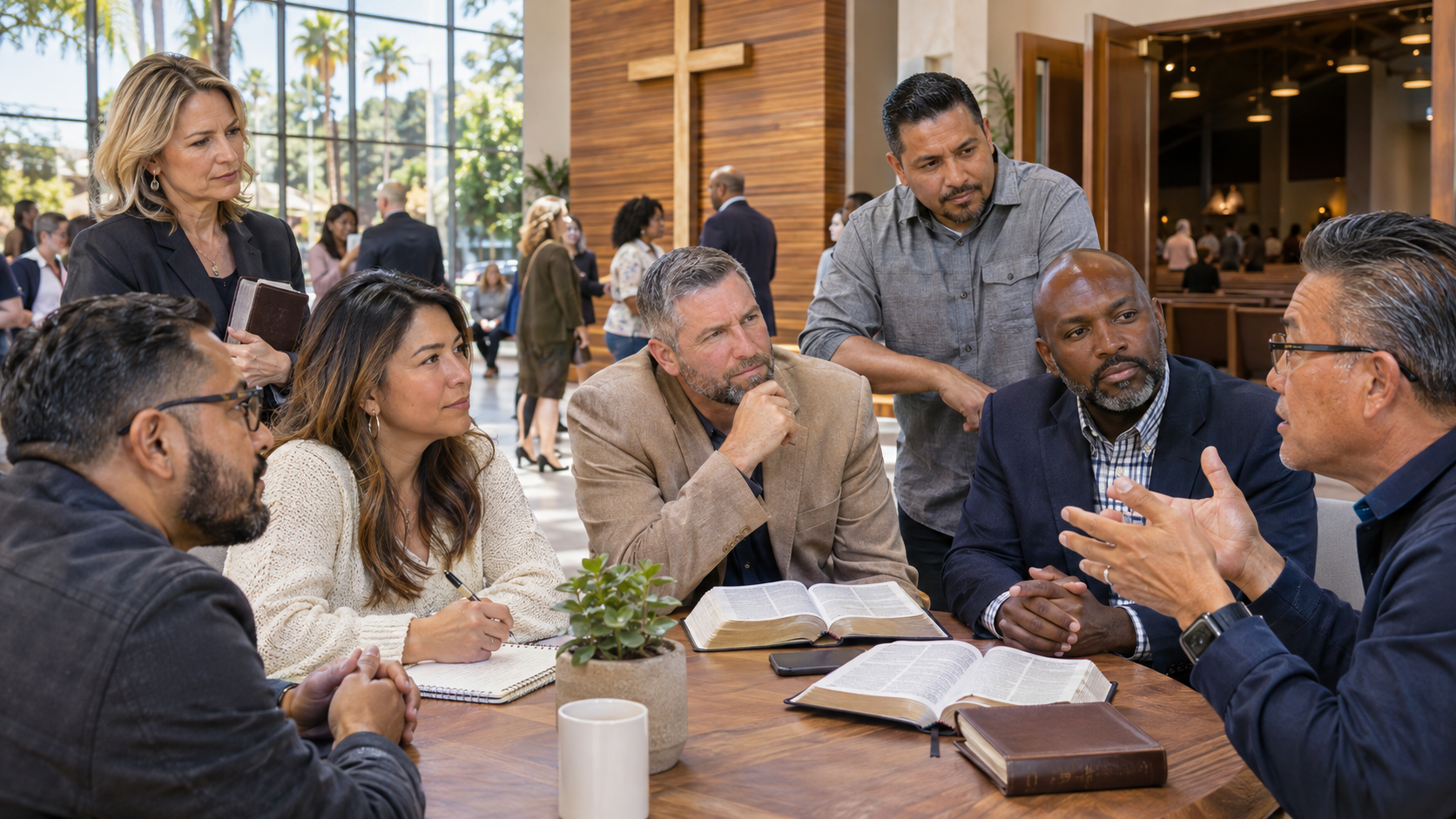
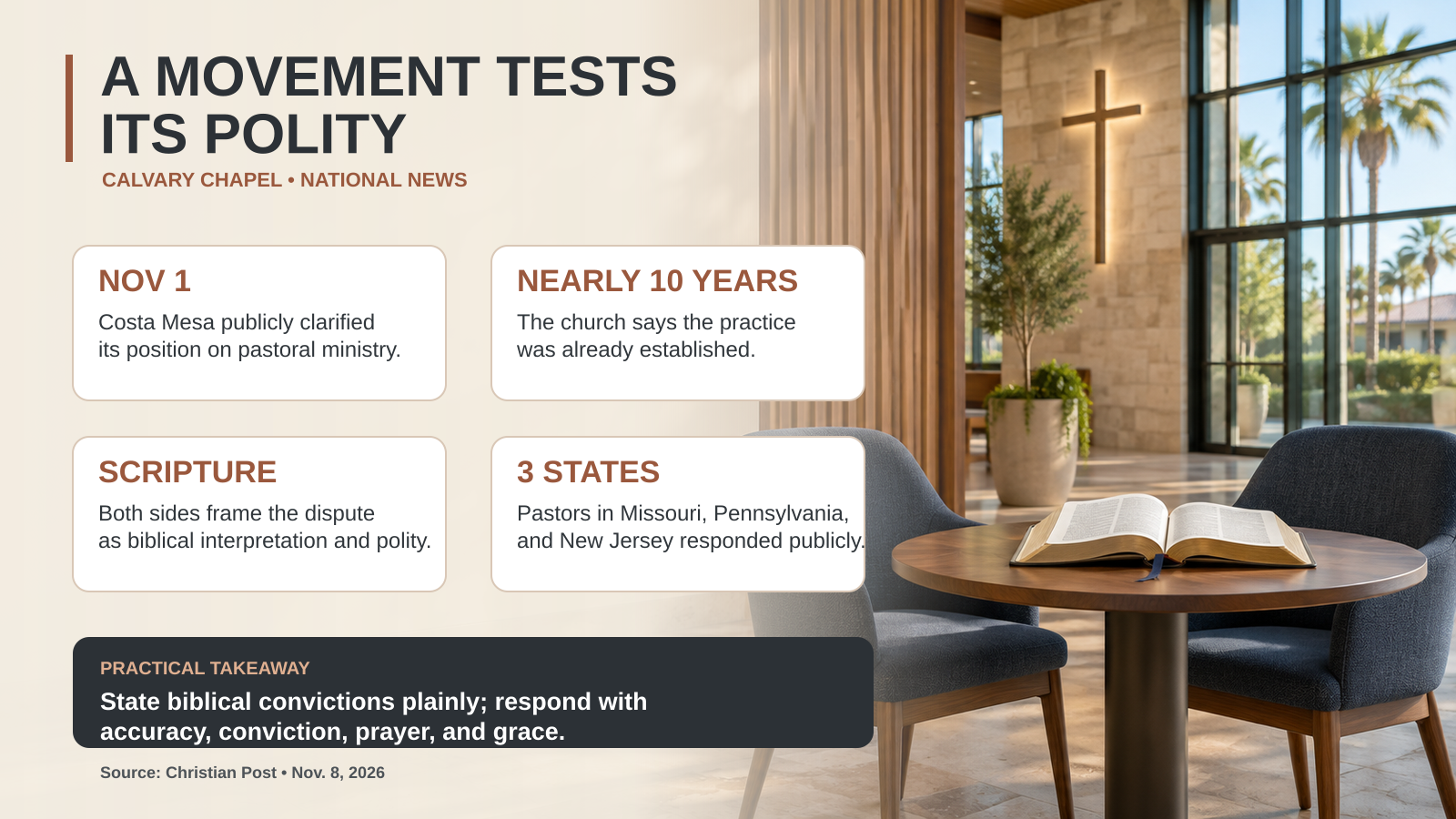
Calvary Chapel Costa Mesa publicly clarified its position on women in pastoral ministry during a November 1, 2026, service, and the statement quickly became a national conversation within the wider Calvary Chapel family. Pastor Char Brodersen said the California congregation believes and practices the ordination of both men and women to pastoral ministry, grounding that practice in the priesthood of believers, the Holy Spirit’s gifting of individuals, and the shared calling of men and women to participate in Christ’s mission. He also emphasized that the church was not announcing a sudden operational change: women had already been leading and serving throughout its ministries, and the practice had been in place for nearly a decade. Brodersen described the question as a secondary issue on which Christians committed to the authority of Scripture can disagree, and he urged charity rather than treating those who reach a different conclusion as less faithful. The clarification nevertheless drew direct opposition from pastors affiliated with the Calvary Chapel Association. Its Heartland Regional Team, led by Pastor Josh Blevins, said it found no sound biblical basis for ordaining women as elders or pastors and viewed the Costa Mesa position as inconsistent with historic Calvary Chapel convictions. Other pastors and churches in Missouri, Pennsylvania, and New Jersey publicly distinguished their own complementarian positions from Costa Mesa’s. Those responses commonly affirmed women’s indispensable ministry while reserving the offices of pastor and elder for qualified men, citing passages such as 1 Timothy 2–3 and Titus 1. The dispute also reflects an older structural division: Brian Brodersen departed Calvary Chapel Association leadership and formed the Calvary Global Network in 2016, leaving churches that share a common heritage but no single centralized authority to define policy for every congregation.
For churches beyond the Calvary Chapel movement, the development offers a concentrated case study in biblical interpretation, local-church authority, denominational identity, and Christian public speech. The immediate disagreement is not whether Scripture matters; leaders on both sides explicitly appeal to Scripture. The disagreement concerns how texts about gifting, creation, church order, teaching, eldership, and the ministry of all believers should be read together and applied to named pastoral roles. That distinction matters because slogans alone cannot carry the pastoral weight of the question. Congregations need leaders who can explain not only a conclusion but also the interpretive path, the office definitions, the accountability structures, and the practical consequences behind it. In a decentralized fellowship, clarity becomes even more important: a shared name can suggest uniformity that no longer exists, while local autonomy can leave members uncertain about what a particular church teaches. Wise leaders can respond by publishing accessible doctrinal statements, teaching relevant passages in context, defining titles and responsibilities, and making space for honest questions without turning fellow believers into caricatures. The public reactions also show why accuracy and tone are part of faithful leadership. Blevins urged pastors to communicate with conviction and grace and to pray for the Costa Mesa congregation even while disagreeing. That posture is worth retaining on every side. Christian unity does not require pretending that consequential differences are trivial, and biblical conviction does not require careless accusation. Members evaluating a church should ask how its position was reached, how elders are selected and accountable, how women and men are equipped for ministry, and whether leaders describe opponents fairly. The lasting significance of this story will depend less on social-media intensity than on whether congregations become more transparent, more careful with Scripture, more prayerful toward one another, and more faithful in shepherding people through a difficult dispute.
Women in Pastoral Ministry and Calvary Chapel Polity
Calvary Chapel; Evangelical
Pastors; Church Leaders; Elders; Bible Teachers; Congregations
The Christian Post
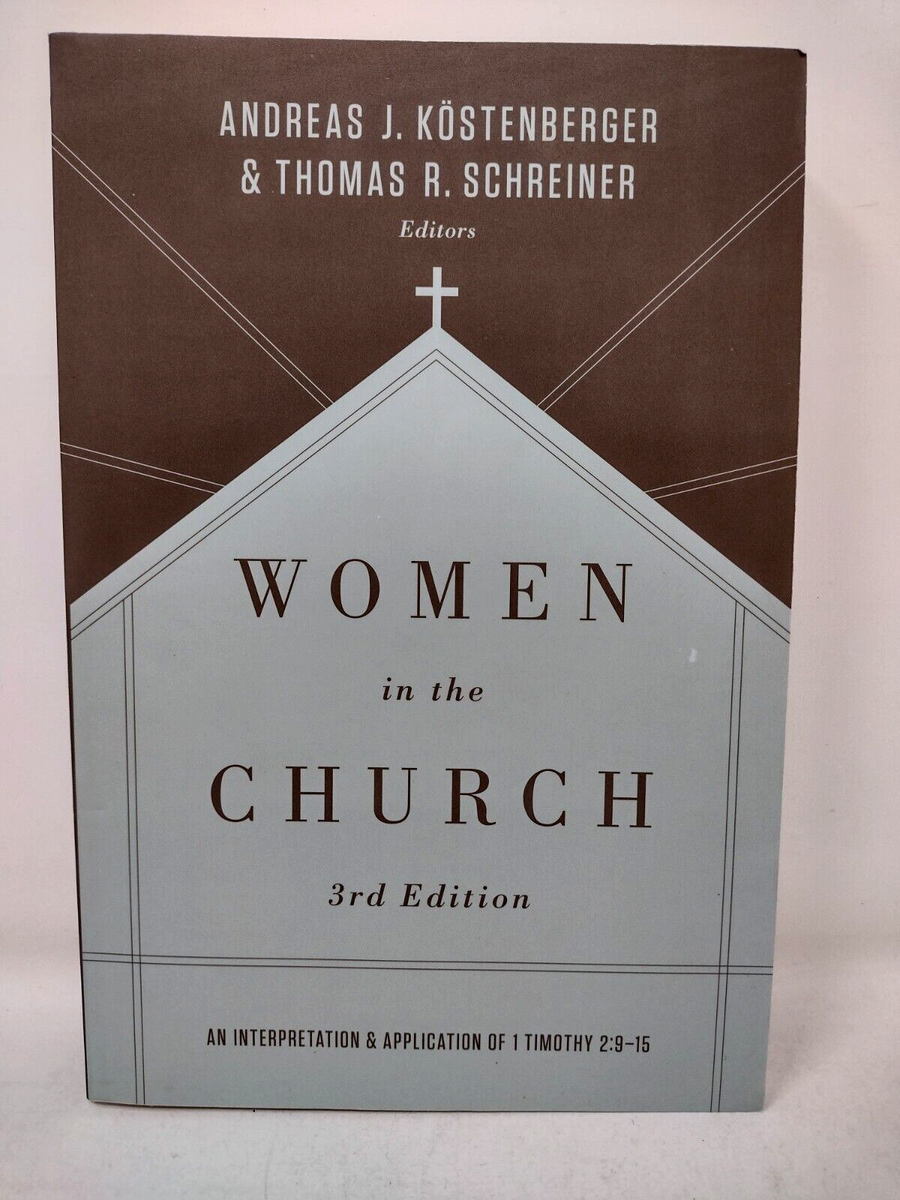
Women in the Church: An Interpretation and Application of 1 Timothy 2:9–15, Third Edition
Andreas J. Köstenberger and Thomas R. Schreiner, editors
This third-edition Crossway volume examines the historical setting, grammar, syntax, hermeneutics, and application of 1 Timothy 2:9–15, making it a substantial companion for readers who want to study a central biblical text behind the present church-order debate.