
CBF Christian Educators Conference 2027 Will Equip Congregational Ministers
June 3, 2026
The Cooperative Baptist Fellowshipâs Christian Educators Conference will meet February 2â5, 2027, at First Baptist Church in Raleigh, North Carolina. Designed for ministers serving children, youth, college students, and whole congregations, the gathering combines classes, peer conversation, and practical resources on spiritual formation, anxious systems, intergenerational ministry, neurodivergence, church safety, and equipping parents for faithful discipleship.
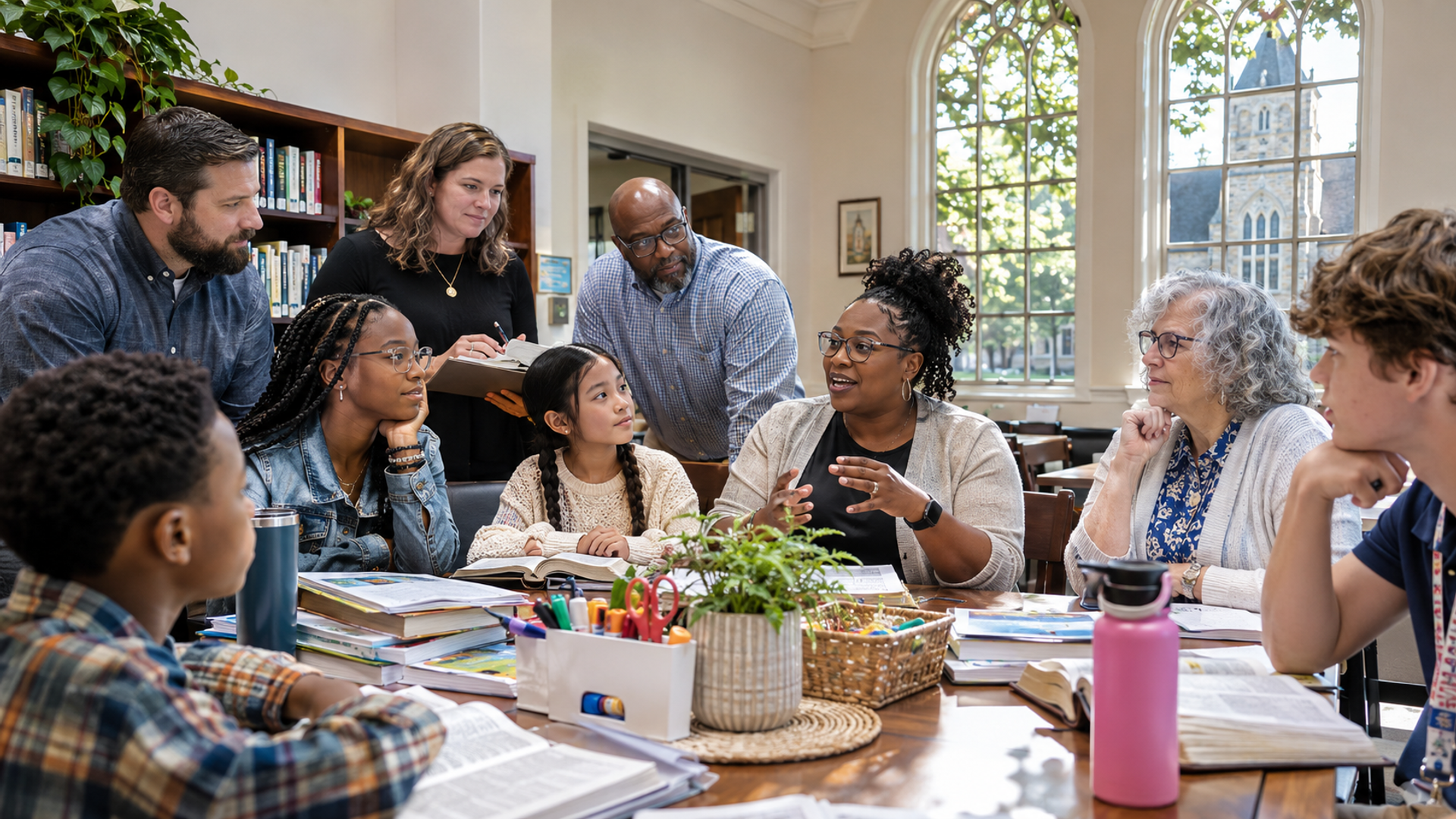
The Cooperative Baptist Fellowshipâs Christian Educators Conference will take place February 2â5, 2027, at First Baptist Church in Raleigh, North Carolina. CBF describes the gathering as a biennial continuing-education experience for ministers, particularly those serving children, youth, college students, and the wider congregation. The programâs classroom motif is playful, but the subjects are substantial. Christian educators are being asked to help churches respond wisely to technologyâs influence on children, lead within anxious systems, navigate relationships and conflict, include neurodivergent people, strengthen church safety and safeguarding, involve senior adults in intergenerational ministry, and equip parents for intentional faith formation. Those responsibilities cross traditional age-group boundaries. A childrenâs minister may need to coach parents, collaborate with senior adults, recognize developmental or sensory needs, and help volunteers practice sound safety procedures. A youth or college minister may be called to address digital habits, theological questions, family dynamics, and congregational belonging at the same time. The conference therefore treats Christian education as a ministry of the whole church rather than a collection of isolated programs. Registration includes access to six classes, two lunches, facilitated end-of-day conversations, an opening worship gathering and reception, and a closing breakfast. A pre-conference session led by Christian-education scholar Karen-Marie Yust will focus specifically on how technology is shaping the spiritual lives of children. CBFâs related reporting places the conference within a national network of gatherings intended to help Cooperative Baptists connect with their calling and return to local congregations with stronger practices. Meeting at a downtown Baptist church also reinforces the eventâs practical orientation: the goal is not academic discussion detached from ministry, but learning that can be adapted for volunteers, families, classrooms, worship, and discipleship in real congregational settings.
For ministers deciding whether to attend, the strongest case is the breadth of issues that now converge in Christian formation. Churches cannot assume that faith will be passed to the next generation through attendance alone. Children and teenagers are formed by families, friendships, schools, devices, media, cultural expectations, and the practices they observe in the congregation. Christian educators need biblical depth, but they also need skill in listening, organizing, safeguarding, communicating, and building partnerships across generations. The Raleigh conference offers a setting where leaders can compare experiences with peers rather than facing those demands alone. A minister from a small congregation may discover adaptable resources that do not require a large staff. A leader in a larger church may reconsider whether specialized programs actually connect children and young adults to the full body. Sessions on anxious systems and conflict can help participants recognize how fear circulates through teams and congregations, while attention to neurodivergence can encourage ministries to remove unnecessary barriers and welcome people more thoughtfully. The conferenceâs focus on parents is especially important. Scripture gives households a central role in everyday discipleship, and churches serve families best when they equip rather than replace them. Attendees can prepare by identifying one current challenge in their ministry, gathering questions from parents and volunteers, and reviewing existing safety and inclusion practices. After the event, they should translate learning into a limited, realistic plan: perhaps a parent-training conversation, an intergenerational project, revised volunteer procedures, or a healthier rhythm for evaluating curriculum and technology. The practical takeaway is simple: Christian education is not merely the transfer of information. It is the patient work of helping people know Christ, inhabit the story of Scripture, belong to the church, and practice faith in ordinary life. CEC 2027 gives congregational leaders dedicated time and community to strengthen that work.
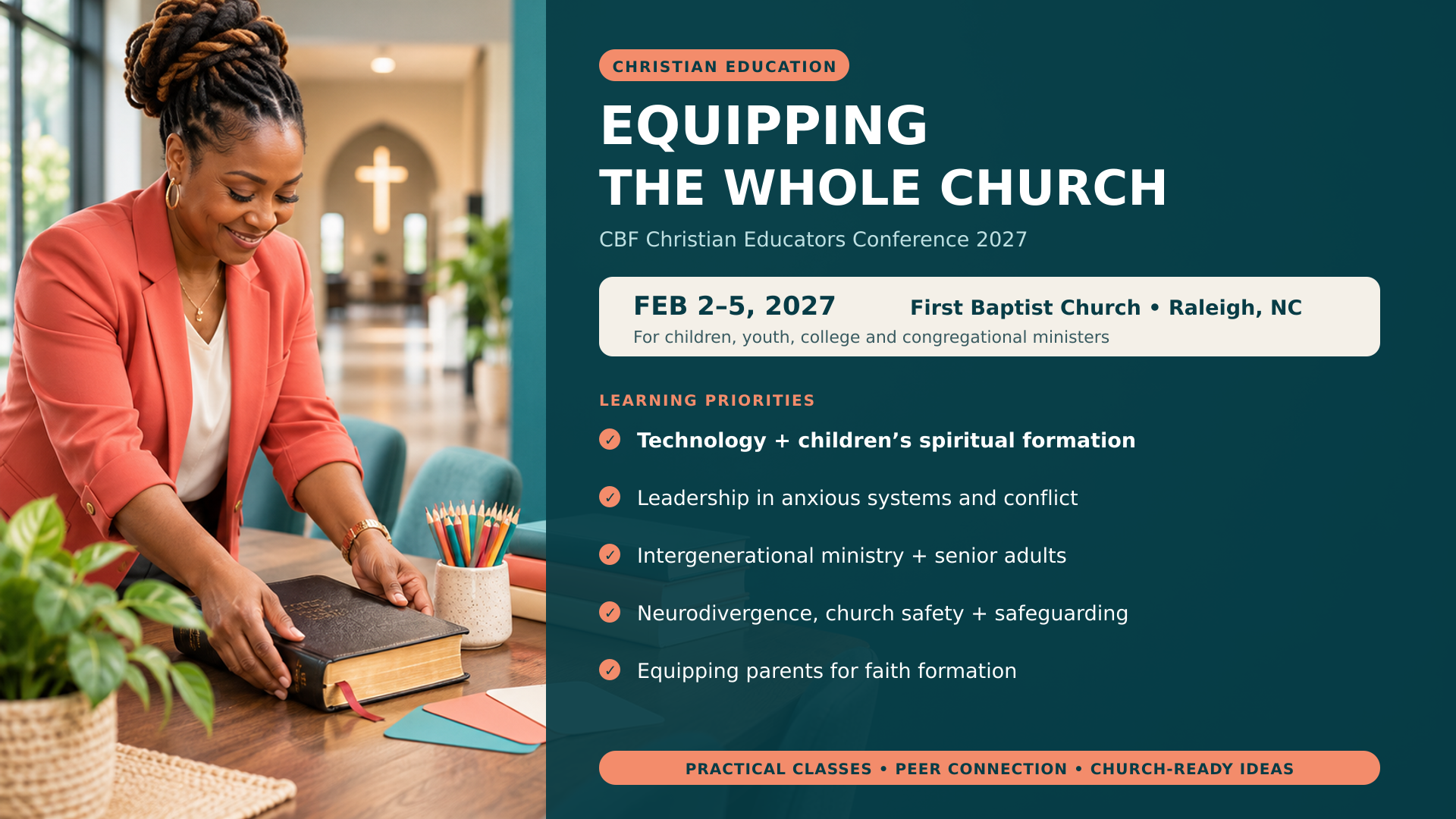
Christian Education and Intergenerational Faith Formation at CEC 2027
Cooperative Baptist Fellowship / Baptist
Children, Youth, College, and Congregational Ministers; Christian Educators
Cooperative Baptist Fellowship
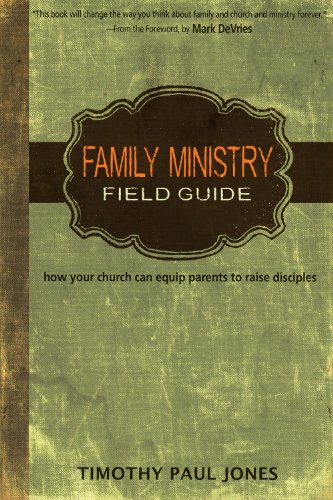
Family Ministry Field Guide: How Your Church Can Equip Parents to Make Disciples (2011 paperback; ASIN 0898274575)
Timothy Paul Jones
Jones offers a church-centered plan for equipping parents as primary disciple-makers, directly matching CEC 2027âs emphasis on family faith formation and intergenerational ministry.