
Future of Faith 2027 Will Examine AI Through the Gospel
July 28, 2026
Future of Faith 2027 will gather Christian professionals, pastors, parents, educators, artists, and students in New York City on January 29–30. Hosted by Redeemer’s Center for Faith & Work, the conference will explore artificial intelligence, human dignity, spiritual formation, vocation, creativity, relationships, and gospel hope through mainstage talks, breakouts, worship, and guided conversation.
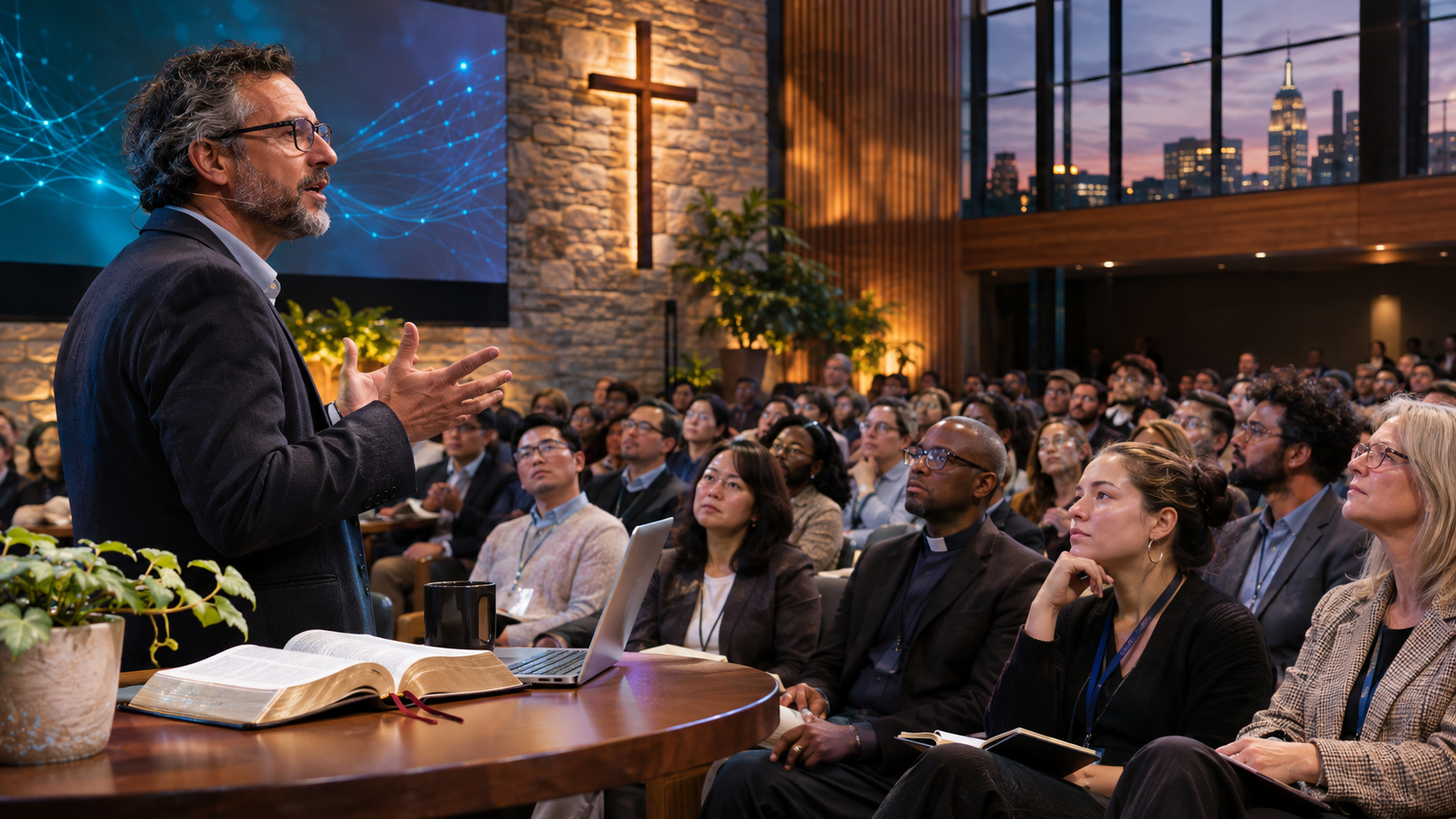
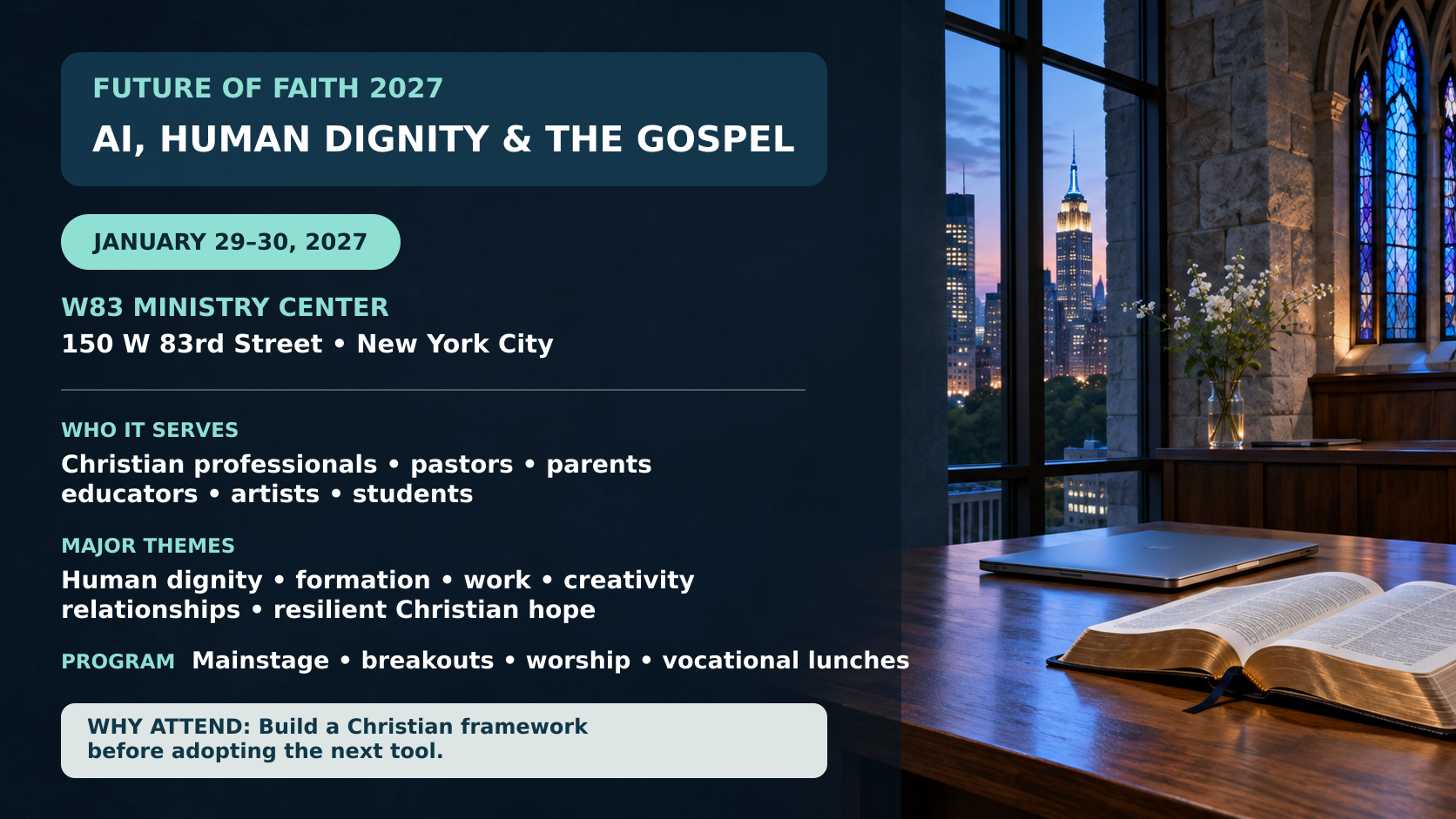
Future of Faith 2027 is a two-day Christian conference scheduled for Friday evening, January 29, and Saturday, January 30, 2027, at W83 Ministry Center, 150 West 83rd Street, New York, New York 10024. Redeemer’s Center for Faith & Work is hosting the gathering to examine artificial intelligence, formation, and human flourishing through the gospel. The official registration page describes an audience that includes Christian thinkers, practitioners, pastors, professionals, parents, educators, artists, students, and New Yorkers who are asking how rapidly changing technology affects ordinary life. The stated goal is not to promote fear, hype, or passive adoption of the latest tools. Instead, the conference will recover a Christian account of human dignity, embodied relationships, meaningful work, creativity, community, and hope. Mainstage speakers include Andy Crouch, partner for theology and culture at Praxis; Meghan Sullivan, professor of philosophy at the University of Notre Dame and director of its Institute for Ethics and the Common Good; and Christopher Watkin, associate professor at Monash University and author of Biblical Critical Theory. The program combines mainstage teaching, breakout sessions, worship, guided reflection, and conversation with Christian practitioners. Announced breakout subjects include discovering an “AI-proof” calling, the art and science of human connection, machine-generated creativity, embodied spiritual practices, and observations from Christians working inside the field. Optional vocational lunches will group participants by related areas of work for guided discussion about faithful presence. The main conference begins with an evening program on January 29 and continues with a full-day program on January 30. An optional pre-conference workshop for pastors and church staff, “Pastoring in an AI Age,” is offered on January 28. The event matters beyond New York because churches across the United States are already making decisions about AI in ministry, employment, education, family life, communication, and pastoral care.
Attendees should expect a theological and formative conversation rather than a product demonstration. The official conference materials frame the central questions at the level of Christian discipleship: What does it mean to be human when machines can perform tasks once treated as uniquely human? How are automated systems shaping attention, desire, relationships, work, and creativity? What practices can keep believers rooted in Christ? Where should Christians place their hope when technological change is presented as inevitable progress? Those questions are especially relevant for pastors drafting church policies, professionals deciding how to use AI responsibly, parents guiding children, educators setting expectations for learning, artists considering authorship and originality, and students preparing for vocations that may change quickly. A useful way to prepare is to identify one concrete decision that needs a Christian framework—such as whether to use generated material in teaching, how to protect confidential pastoral information, what human accountability an automated process requires, or when efficiency undermines presence and care. Participants can then use the talks and breakouts to test that decision against Scripture, the doctrine of creation, the reality of the fall, the hope of redemption, love of neighbor, and the church’s embodied life. The optional church-leaders workshop adds a practical path for considering theology, ministry use, congregational risk, and the beginnings of an AI policy. Jason Thacker’s The Age of AI: Artificial Intelligence and the Future of Humanity fits the event because it offers a Christian ethical framework for understanding how AI shapes human identity, dignity, relationships, and responsibility. The practical reason to attend is not simply to learn what new systems can do. It is to develop language, habits, and communal wisdom for deciding what Christians should do, what they should refuse, and how they can remain courageous and hopeful without confusing technological power with salvation.
Artificial Intelligence, Christian Formation and Human Dignity
Reformed
Christians, Professionals and Church Leaders
Redeemer Center for Faith & Work
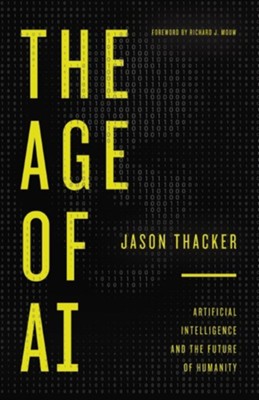
The Age of AI: Artificial Intelligence and the Future of Humanity
Jason Thacker
Jason Thacker approaches artificial intelligence through Christian ethics, human dignity, and responsibility, giving attendees a useful framework for the conference’s questions about formation, work, relationships, and faithful technological discernment. Verified edition: Paperback, 2024; ASIN: 0310369967.