
Record Lottie Moon Offering and Strong Annie Total Fuel Baptist Missions
October 13, 2026
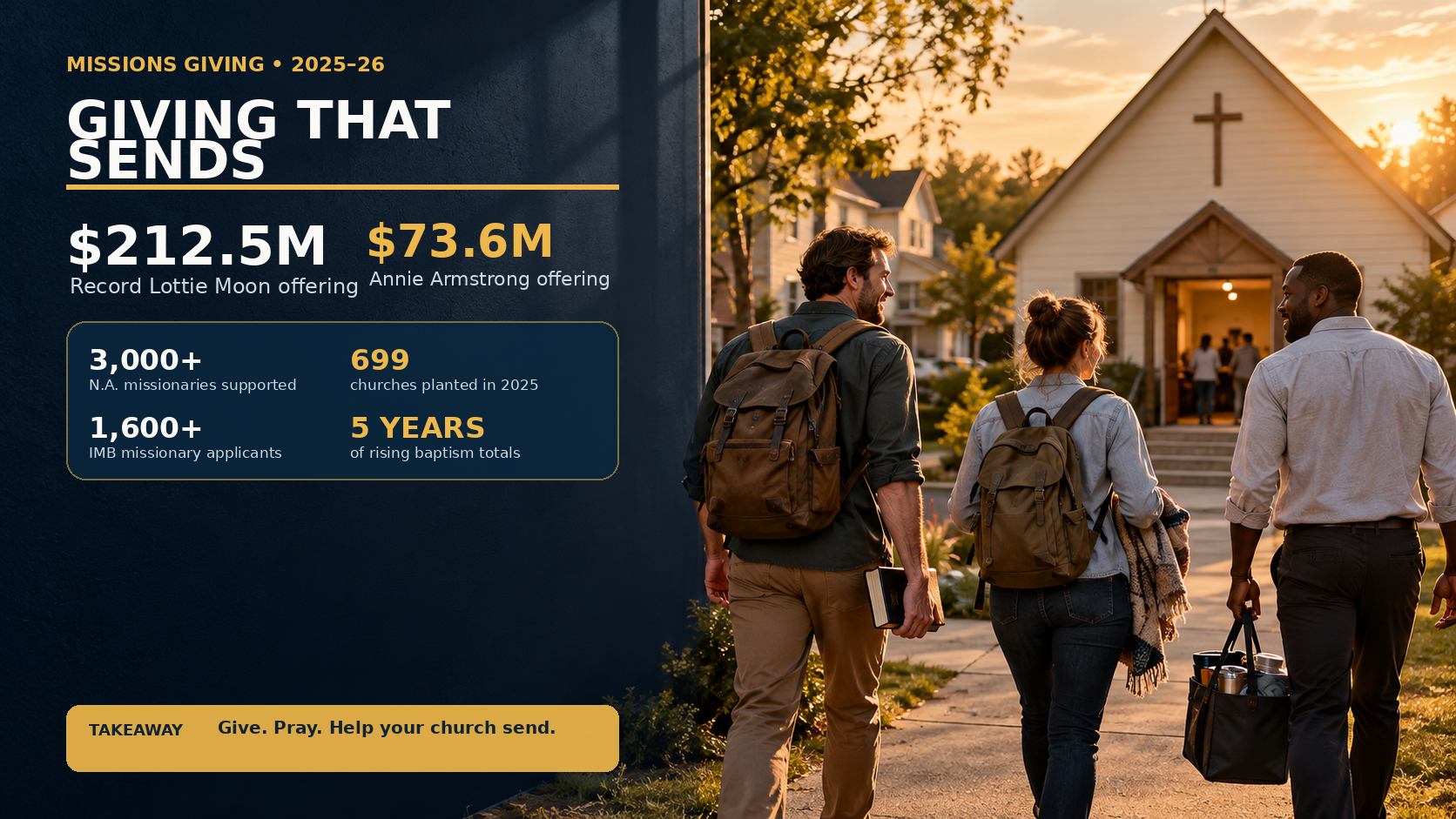
Southern Baptists gave a record $212.5 million through the Lottie Moon Christmas Offering and $73.6 million through the Annie Armstrong Easter Offering. The combined results matter because they sustain international missionaries, North American church planters, compassion ministries, and evangelistic work while missionary applications, church planting, and baptisms are all showing notable momentum.
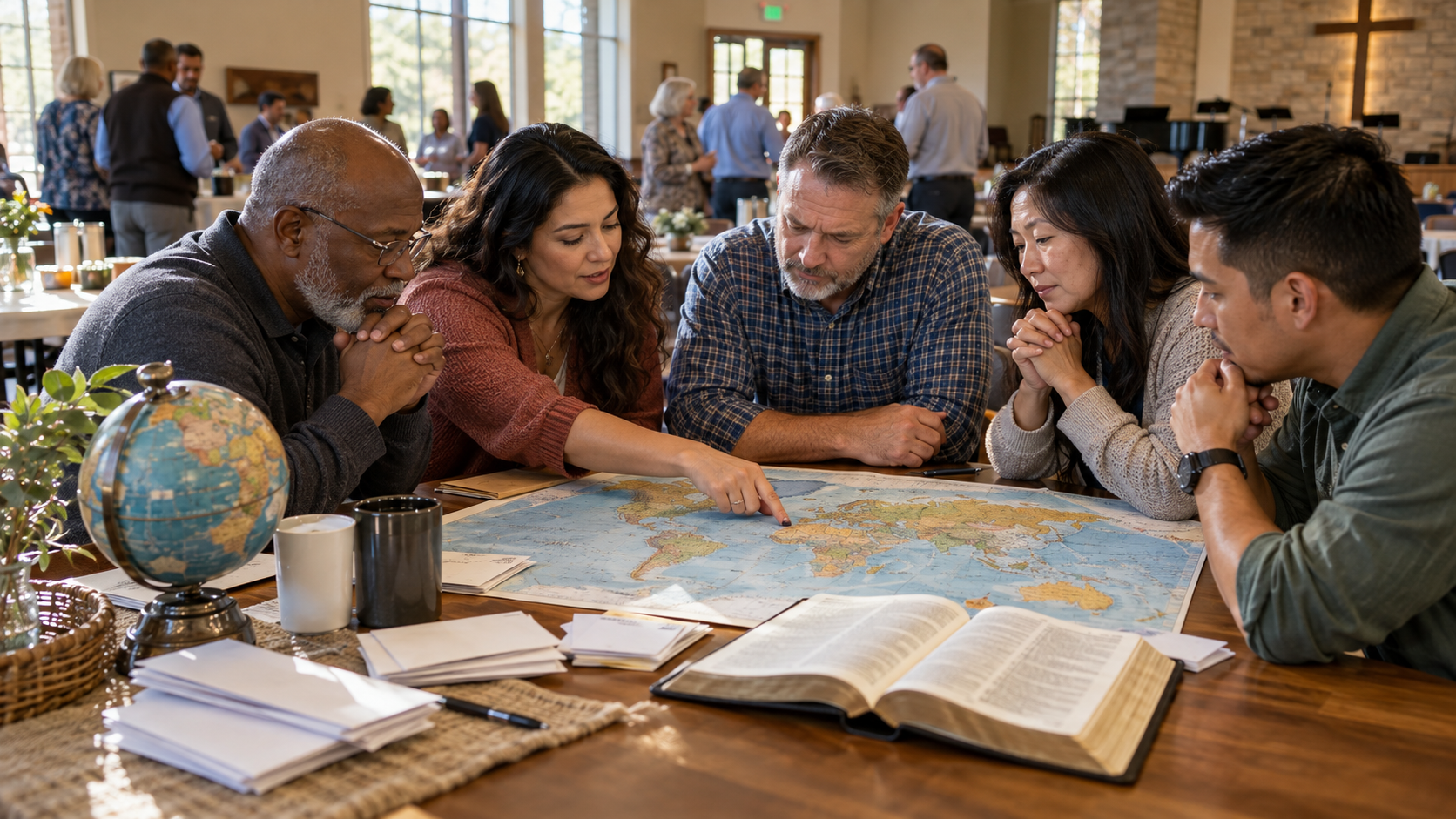
Southern Baptist missions leaders reported on October 13, 2026, that the latest annual offering season closed with $212.5 million for the Lottie Moon Christmas Offering and $73.6 million for the Annie Armstrong Easter Offering. The Lottie Moon total is the highest in International Mission Board history and exceeded the prior year by more than $5 million. The Annie Armstrong result is the second-highest total in North American Mission Board history. Those figures represent more than two strong fundraising outcomes. They are a concrete expression of cooperative ministry: thousands of congregations and individual Christians pooling gifts so missionaries can remain on the field, new churches can be planted, and gospel work can continue where a single congregation could not carry the whole cost. IMB states that 100 percent of each Lottie Moon gift directly supports overseas missionaries. NAMB says the Annie offering supports more than 3,000 missionaries serving through church planting, compassion ministry, and evangelism in the United States and Canada. The 2025 planting report recorded 699 new Southern Baptist churches, the denomination’s largest annual number since 2016, and more than 12,000 churches have been planted since 2010. The new totals therefore connect generosity to identifiable ministry capacity: personnel, congregations, outreach, and long-term presence. They also arrive during a period of rising costs, making continued support especially consequential for families and teams serving far from established support networks. For pastors and missions committees, the result offers a timely picture of what church-to-church cooperation can accomplish when giving is tied to a clear Great Commission purpose.
The report also points to growth that extends beyond dollars. IMB missionary applications have increased 500 percent since 2018, with more than 1,600 applicants now in the pipeline. Southern Baptist baptism totals have risen for five consecutive years, the first such streak in approximately 75 years, according to the joint IMB-NAMB account. Those trends do not prove that an offering by itself produces spiritual fruit, and churches should resist treating large numbers as a substitute for faithful discipleship. They do, however, show why a dependable sending structure matters. More applicants require assessment, training, care, and placement; more church plants require planters, partners, and patient local investment; and expanding outreach brings fresh opportunities for established congregations to pray, give, go, and mentor. The annual offering cycle runs from October 1 through September 30, so churches can use the newly reported totals as both thanksgiving and planning information. A useful response is to review how missions is taught throughout the year, not only during a seasonal campaign. Leaders can introduce the people behind the numbers, build informed prayer into congregational life, invite members to explore missionary calling, and connect designated giving with the broader biblical responsibility to make disciples among neighbors and nations. Smaller congregations should not assume their part is insignificant: the cooperative model depends on many gifts of different sizes, and the reported totals reflect that shared faithfulness. The practical question is not whether every church can reproduce a national total, but whether each church will take its next obedient step. That may mean adopting a church planter, increasing a missions goal, commissioning a member, or regularly praying for an unreached people. Together, those local decisions become the support system that keeps gospel workers sent and sustained.
Cooperative Missions Giving and Church Planting
Southern Baptist / Evangelical Protestant
Pastors, missions committees, church members, missionaries, church planters, and denominational leaders
International Mission Board and North American Mission Board

Gaining By Losing: Why the Future Belongs to Churches that Send
J.D. Greear
Verified Amazon edition: Zondervan hardcover (2015), ASIN 0310515246. Greear’s sending-church framework helps congregations connect cooperative giving with the deeper calling to release people, resources, and leadership for gospel mission.