
Send Network Orientation Welcomes More Than 150 Church Planting Missionaries
November 12, 2026
More than 150 church planting missionaries from 40 states and provinces gathered for Send Network Orientation, representing 10 languages and a wide range of ministry contexts. The November gathering matters because it paired a growing national pipeline of planters with biblical formation, practical coaching, and sending-church partnerships designed to help new congregations begin with gospel clarity and durable ministry habits.
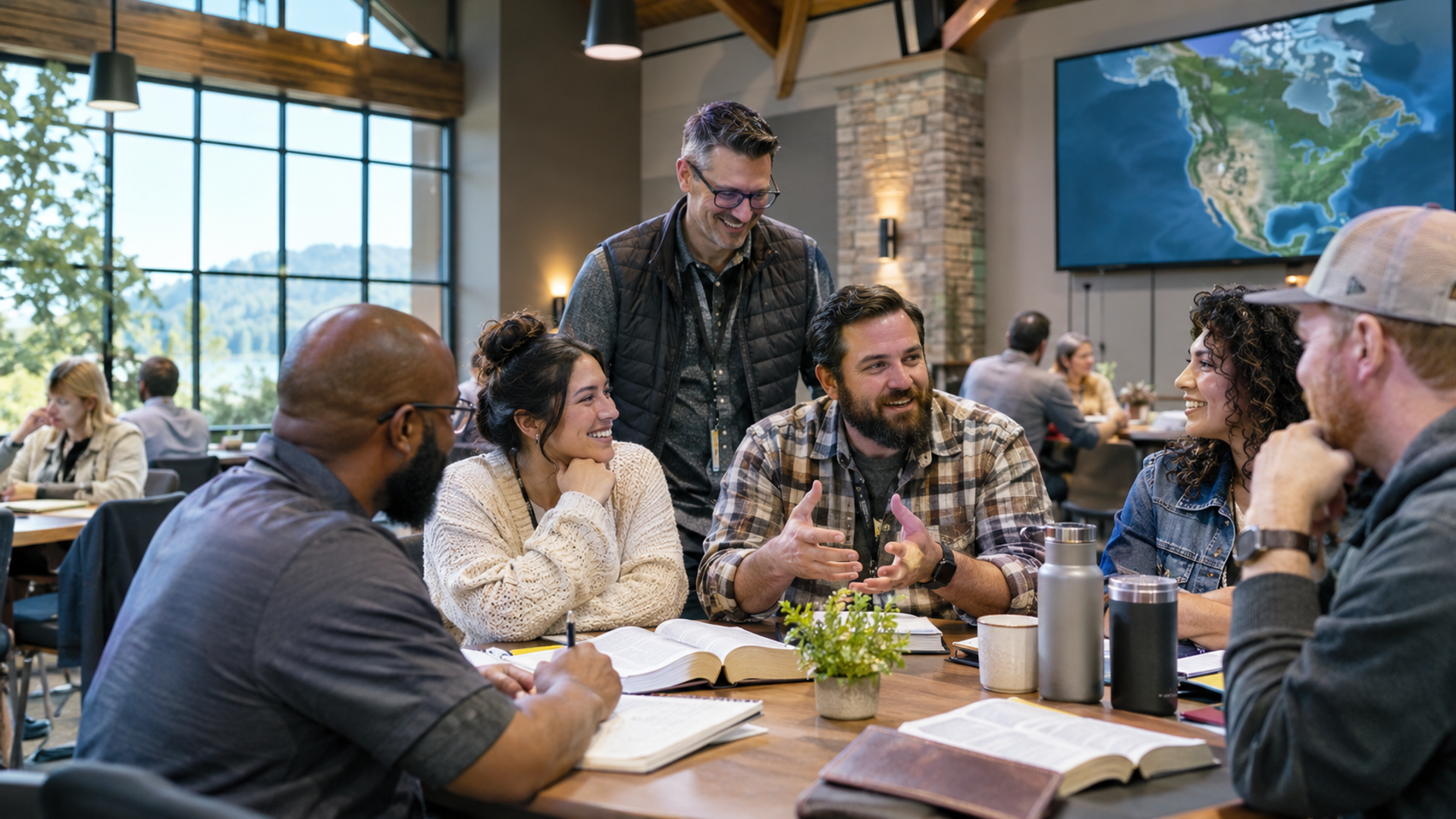
More than 150 church planting missionaries attended Send Network Orientation from November 3â5, according to Baptist Press, bringing together planters and spouses from 40 states and provinces who represented 10 languages. Hosted by the North American Mission Boardâs Send Network, the gathering marked an early milestone for leaders entering diverse communities with the aim of establishing gospel-centered local churches. The scale of the group is important, but the orientationâs substance matters more: participants were not presented with church planting as a branding exercise or a rapid-growth technique. They were called to faithful ministry shaped by Scripture, prayer, personal character, evangelism, discipleship, and dependable partnership with a sending church. Sessions drew attention to the apostle Paulâs ministry posture in 1 Thessalonians 2, emphasizing both effectiveness and faithfulness. That pairing resists two common errors. A planter can pursue visible results while neglecting spiritual health, or prize sincerity without developing the practical discipline needed to lead a congregation well. Send Networkâs approach placed those concerns together, asking missionaries to consider how their families, finances, preaching, prayer lives, leadership rhythms, and relationships with supporting churches will bear the weight of a new work. Workshops addressed prayer, preaching, evangelism, discipleship, family rhythms, financial stewardship, and ministry partnerships. For churches across the United States, the orientation offers a concrete picture of what national missions support is meant to accomplish: identifiable leaders are being prepared to enter real communities, proclaim Christ, gather believers, develop disciples, and form congregations that can eventually multiply. The presence of multiple languages and regions also reflects the missionary reality of contemporary North America, where population movement and cultural diversity have placed unreached neighbors within reach of ordinary local churches.
The report also gives pastors and church members several practical ways to respond. First, these missionaries need prayer that is more specific than a general request for success. Churches can pray for holiness, perseverance, wise family rhythms, courageous evangelism, clear preaching, and patient disciple-making. New congregations often begin with limited people, money, and organizational capacity, so a planterâs character and relationships can be tested long before a church becomes stable. Second, established congregations can reconsider what it means to be a sending church. Healthy sending includes affirmation of a planterâs calling, pastoral accountability, relational presence, financial generosity, and a willingness to remain involved after a public launch. Third, Southern Baptists can see how gifts through the Cooperative Program and the Annie Armstrong Easter Offering support a broader ecosystem of assessment, training, coaching, and missionary care rather than a single event. The orientation does not guarantee that every plant will flourish, and numerical growth should never substitute for biblical fidelity. It does, however, create a shared foundation from which missionaries can make informed decisions and avoid needless isolation. The range of represented languages should also prompt churches to look carefully at their own communities. Cross-cultural ministry is not restricted to overseas service; it may begin in a nearby apartment complex, school district, military community, university, or neighborhood shaped by recent immigration. The most constructive takeaway is therefore both national and local. Believers can celebrate a large cohort of planters while asking whether their own congregation is praying, giving, sending, and making disciples in a way that strengthens the church beyond its walls. Christ builds his church, and faithful church planting seeks to participate in that work with humility, theological clarity, and long-term love for people.
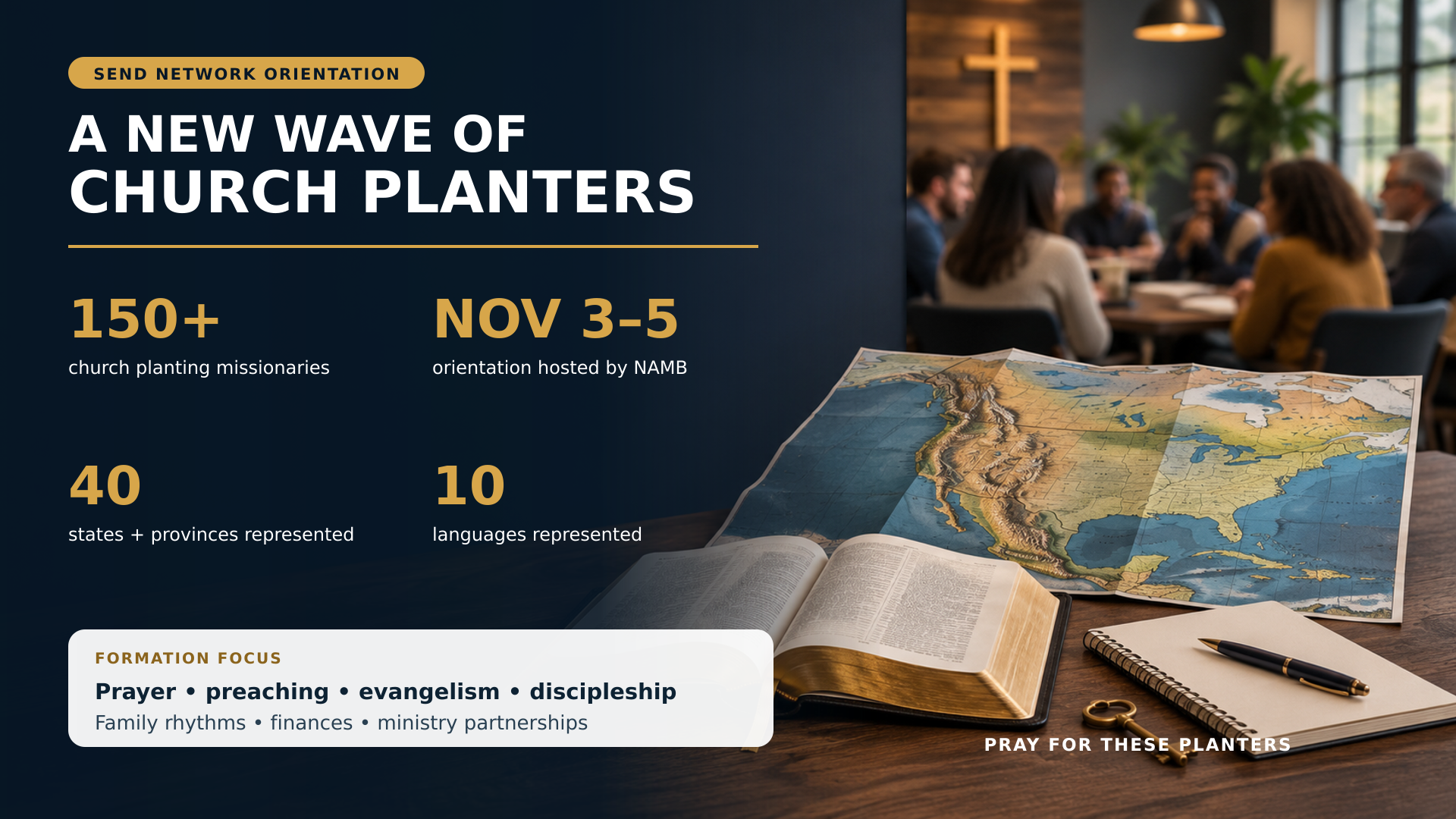
Church Planting Missionary Formation and Send Network Orientation
Southern Baptist / Evangelical
Church Planters, Sending Churches, Pastors, and Missions Leaders
Baptist Press
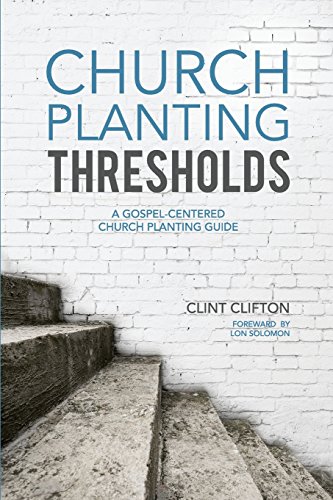
Church Planting Thresholds: A Gospel-Centered Church Planting Guide (2016 paperback edition; ASIN 1985441845)
Clint Clifton
Cliftonâs gospel-centered field guide complements the orientationâs emphasis on preparing ordinary believers and sending churches for faithful, durable church planting.