
Shepherds 360 Will Equip Church Leaders Around ‘Church Matters!’
September 1, 2026
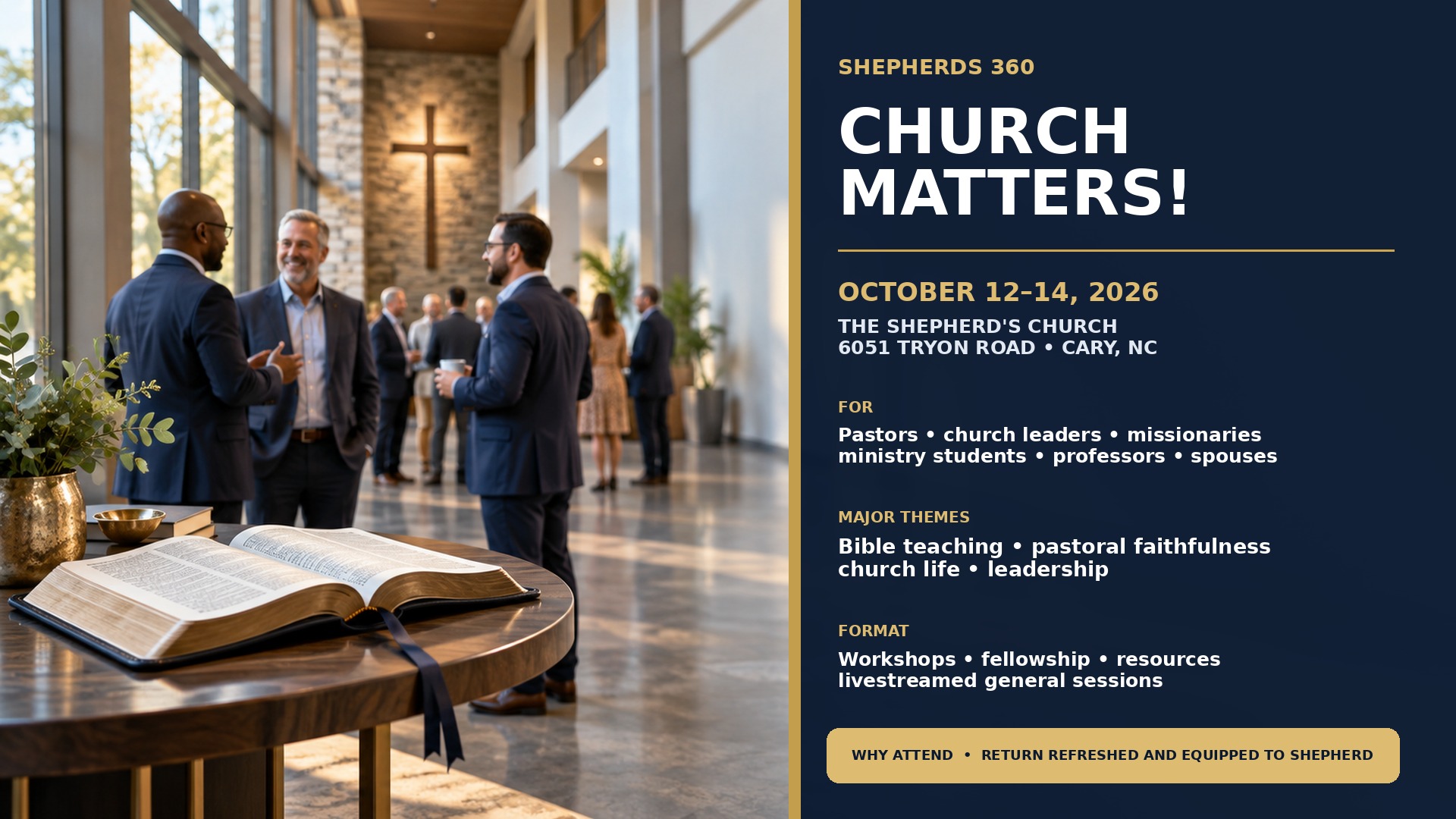
Shepherds 360 will gather pastors, church leaders, missionaries, ministry students, professors, parachurch leaders, and spouses October 12–14 at The Shepherd’s Church in Cary, North Carolina. Built around the theme “Church Matters!,” the conference combines biblical teaching, workshops, fellowship, resources, and livestreamed general sessions to strengthen leaders in pastoral faithfulness and the life of the local church.
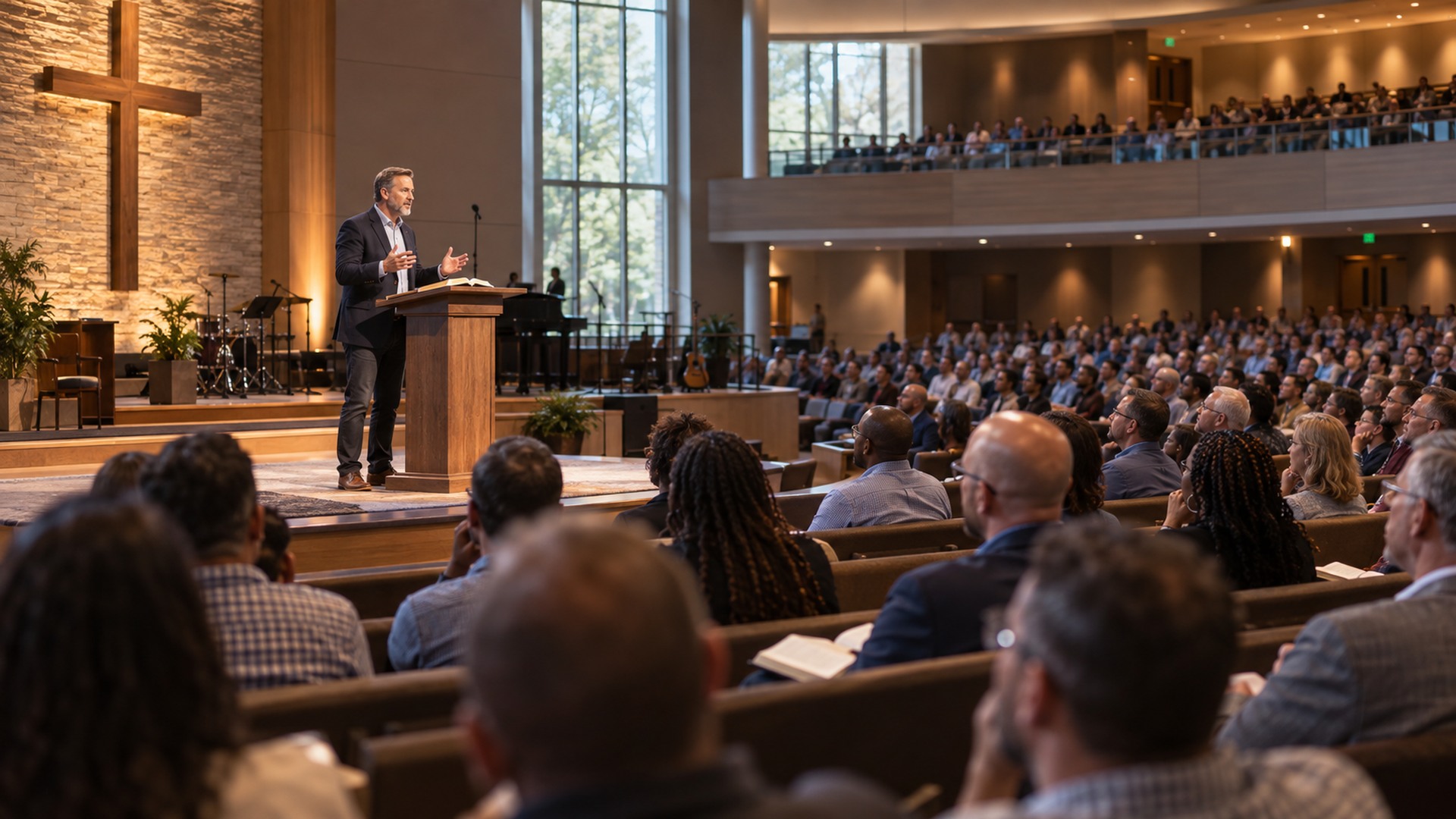
Shepherds 360 is scheduled for October 12–14, 2026, at The Shepherd’s Church, 6051 Tryon Road, Cary, North Carolina. Organized in connection with Shepherds Theological Seminary, the conference will focus on the theme “Church Matters!” and on the conviction that the local church is central to God’s design rather than an optional accessory to personal Christian faith. The official event material invites pastors, church leaders, missionaries, parachurch leaders, ministry students, professors, and spouses, making the gathering broad enough for whole ministry teams while retaining a clear emphasis on those who teach, shepherd, train, and serve. The program is structured around general sessions, workshops, fellowship, and ministry resources. General sessions are also scheduled to be livestreamed, extending access to leaders who cannot travel to North Carolina. The published schedule begins Monday with registration and an opening general session, continues through a full Tuesday of teaching and workshops, and concludes Wednesday after additional sessions. The conference description connects its theme to enduring questions of ecclesiology: what the church is, why it matters, how pastors should serve it, and how Christians should understand their responsibilities within it. A September 1 episode of The Shepherd’s Study introduced the conference and drew on decades of pastoral experience, while the official event page supplies the current dates, location, program details, audience, and participation information. Online registration has closed, but the event page says walk-in registration is available at the full rate. Leaders considering attendance should check the official page for the most current access instructions and livestream details. With the meeting taking place only days after this listing, the practical value is immediate: teams can still plan for travel, walk-in attendance, or remote viewing of the general sessions.
The conference’s central claim—that church matters—arrives at a useful moment for Christian leaders who face pressure to treat ministry as a collection of programs, platforms, or individual personalities. Biblical ecclesiology asks more durable questions. How does the gospel create a people? What responsibilities belong to elders, pastors, deacons, members, teachers, and families? How should preaching, discipleship, discipline, ordinances, prayer, worship, missions, and mutual care fit together in the life of one congregation? A gathering cannot answer every question in three days, but it can help leaders recover a shared theological frame and compare practical wisdom with peers who serve in different settings. The inclusion of workshops and fellowship is therefore more than a conference convenience. Workshops let participants move from broad convictions to specific ministry decisions, while unhurried conversation can reduce the isolation that pastors, missionaries, ministry spouses, and students often experience. Attendees will benefit most if they arrive with one or two concrete questions from their own churches and record the implications of each session for their leadership, teaching, or member care. Ministry teams can divide workshops, compare notes, and select a small number of changes to discuss after returning home. Livestream viewers can use the same discipline by setting aside uninterrupted time, watching with colleagues, and scheduling a follow-up conversation rather than treating the sessions as background media. The conference should not become an occasion to copy another church’s methods without discernment. Context, congregation size, community needs, denominational commitments, and pastoral capacity all matter. The stronger goal is renewed faithfulness: listening to Scripture, loving Christ’s people, clarifying responsibilities, and serving the church with patience. For students and professors, the event can connect classroom theology with lived pastoral practice. For missionaries and parachurch leaders, it can reinforce the importance of serving in partnership with local congregations. For spouses, it can provide shared vocabulary and encouragement for the pressures of ministry life. Whether attending in Cary or joining online, participants have a timely opportunity to step back from urgent tasks and remember why careful, biblical church leadership remains worth sustained attention.
Biblical Ecclesiology and Pastoral Faithfulness
Evangelical Protestant — Conservative Baptist and Bible Church
Pastors, church leaders, missionaries, parachurch leaders, ministry students, professors, and spouses
The Shepherd’s Study Podcast

The Church: The Gospel Made Visible
Mark Dever
Mark Dever’s first-edition B&H Academic paperback explains the biblical nature, purpose, organization, and life of the local church, directly reinforcing the conference’s “Church Matters!” theme.