
U.S. Bishops Renew Nationwide Mental Health Novena for 2026
October 10, 2026
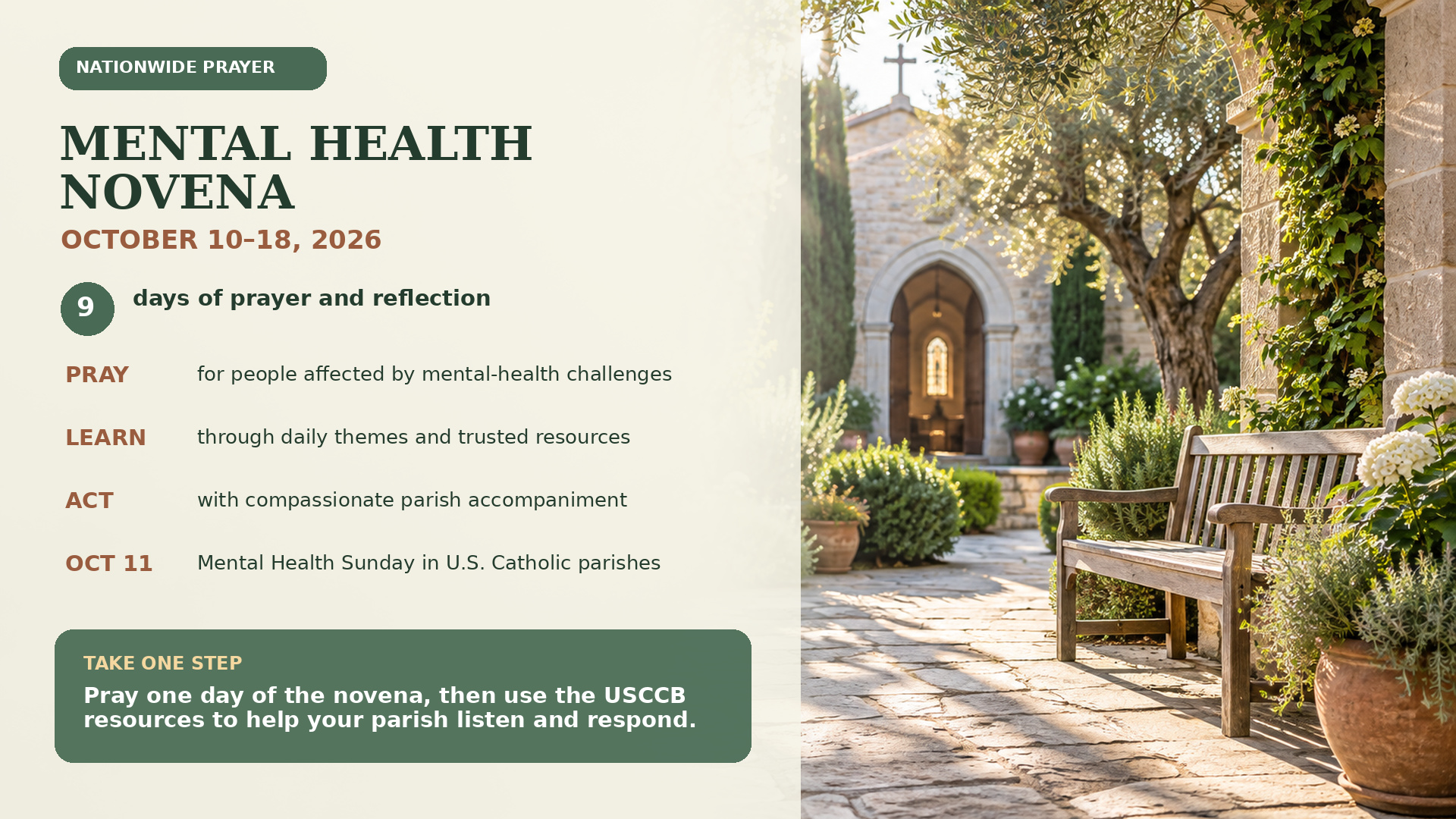
The U.S. Catholic bishops have renewed their nationwide Novena for Mental Health for October 10–18, with Mental Health Sunday observed on October 11. The nine-day “Pray, Learn, Act” resource invites parishes, families, caregivers, health professionals, and people affected by mental illness to unite prayer with practical accompaniment and a commitment to human dignity.
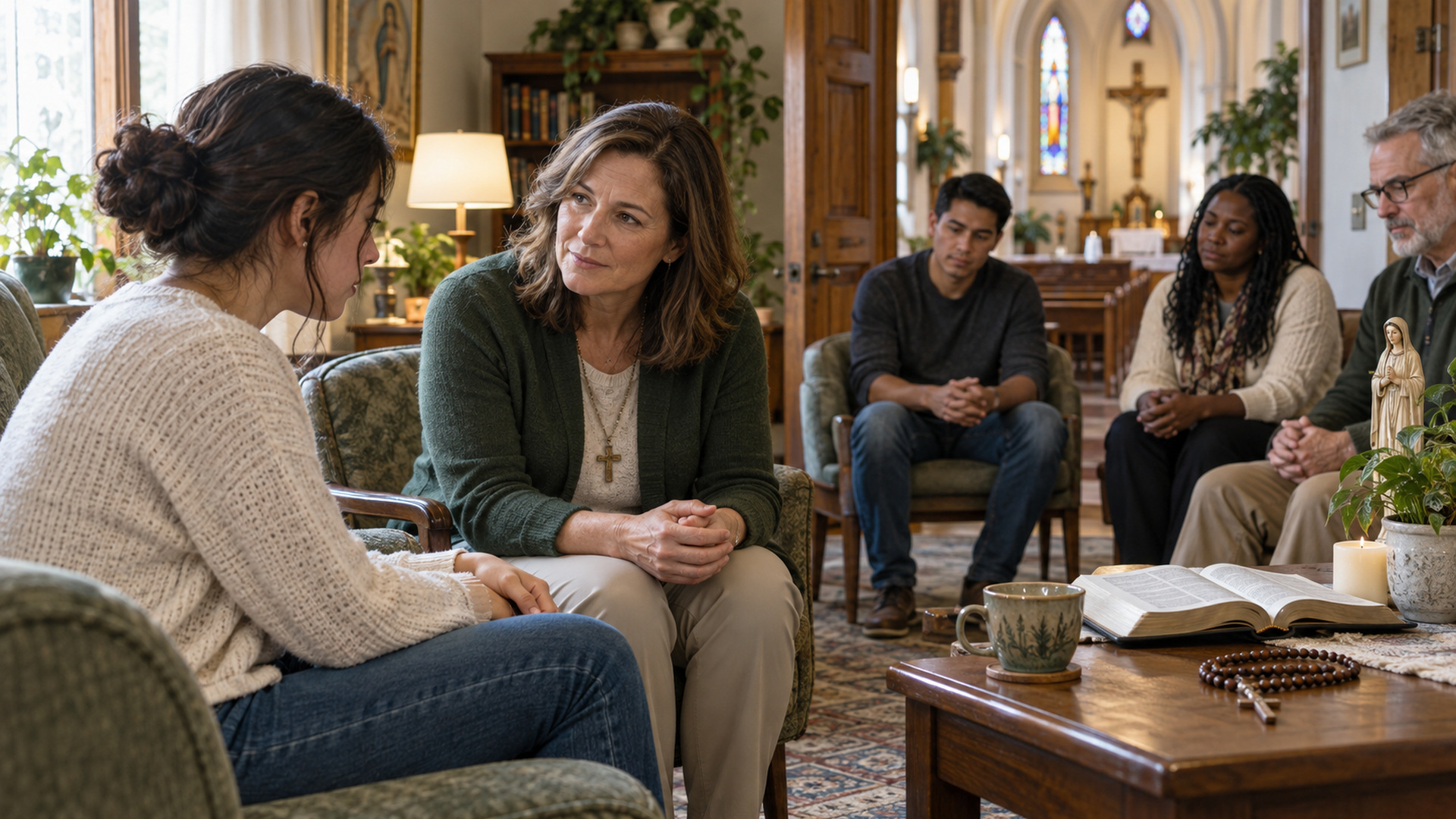
The United States Conference of Catholic Bishops opened its 2026 nationwide Novena for Mental Health on October 10, World Mental Health Day, and is encouraging Catholics across the country to pray it through October 18. OSV News reported the renewal on October 10 and noted that the nine days conclude on the feast associated with St. Luke, traditionally honored as a patron of health care. The USCCB’s own resource describes the novena as an opportunity for the whole People of God to pray for women and men experiencing mental-health challenges and for everyone who accompanies them. Each day follows a “Pray, Learn, Act” pattern, combining a saint, a prayer, educational material, and a practical invitation. The bishops also identify October 11 as Mental Health Sunday for U.S. Catholic parishes in 2026 and provide planning resources for local leaders. English and Spanish materials make the observance usable beyond a single demographic or region. This is not a claim that prayer replaces diagnosis, therapy, medication, crisis response, or other competent care. Rather, the initiative places spiritual solidarity alongside responsible help and challenges church communities to resist stigma, indifference, and isolation. The news matters because congregations are often among the first places where people reveal suffering or where family members search for support. A parish that knows how to listen, refer appropriately, pray without shaming, and maintain friendship can become a bridge to care. A parish that spiritualizes every symptom or treats mental illness as a moral failure can deepen harm. By structuring the novena around prayer, learning, and action, the bishops are directing attention toward both Christian hope and concrete pastoral responsibility.
Churches and families can use the novena most faithfully when they treat it as a beginning rather than a self-contained program. A prayer service can create permission to speak honestly, but lasting ministry requires trained leaders, clear safeguarding practices, relationships with licensed professionals, and an understanding of what congregations can and cannot provide. Parish teams can begin by reviewing the USCCB’s daily materials together, identifying local counseling and crisis resources, and agreeing on a compassionate referral process. Homilists and small-group leaders can use language that distinguishes a mental-health condition from weak faith, personal guilt, or lack of discipline. Volunteers should learn to listen without diagnosing and to respond promptly when someone may be in danger. Families and friends can notice the novena’s emphasis on accompaniment: presence, patience, prayer, and practical support are often more helpful than quick explanations. The wider Christian community can also learn from the initiative’s insistence that human dignity is not erased by psychological suffering. That conviction should shape how believers speak, how ministries budget, and whether people with lived experience are included when programs are designed. Readers who cannot organize a large parish effort can still choose one day of the novena, pray by name for someone who is struggling, learn about a specific condition from a trustworthy source, and take one appropriate action. The goal is not to make the Church a substitute clinic. It is to help the Church become a safer, wiser, and more dependable community of spiritual care—one that points people toward Christ, honors professional expertise, and refuses to let suffering neighbors carry their burdens unseen.
Catholic Mental Health Ministry and Pastoral Accompaniment
Roman Catholic
Catholic parish teams, pastors, chaplains, counselors, health professionals, families, caregivers, educators, and people affected by mental-health challenges
OSV News

The Catholic Guide to Depression: How the Saints, the Sacraments, and Psychiatry Can Help You Break Its Grip and Find Happiness Again
Aaron Kheriaty with Fr. John Cihak
This Catholic guide brings clinical psychiatry into conversation with the saints, sacraments, and Christian hope, complementing the novena’s call to prayer, learning, responsible care, and accompaniment.