

How to Make a Biblical Budget: A Practical Guide for Christian Men


A budget exposes more than numbers. It reveals which bills arrive first, where small purchases gather force, whether a husband and wife are working from the same facts, and what a family does when income cannot cover every good desire. That is why building a budget can feel spiritual, emotional, and practical at the same time.
If you are asking how to make a biblical budget, begin with this distinction. The Bible does not command one modern spreadsheet, app, percentage system, or envelope method. Scripture does teach stewardship, truthful planning, provision for real responsibilities, generous giving, contentment, caution about debt, and humble dependence on God. A budget is one tool that may help you practice those duties.
This guide will show you how to build a household plan without pretending that a budget can control tomorrow. It also explains where Christians disagree about tithing and debt, how to budget on irregular income, and what to do when the numbers still do not work.
What Makes a Budget Biblical?
A budget does not become biblical because a Christian creates it or because the giving line appears first. It serves a biblical purpose when it helps you handle resources honestly under God, meet real obligations, resist greed, practice generosity, and make decisions with humility.
Psalm 24:1 declares that the earth and its fullness belong to the Lord. That truth is larger than personal finance, but it changes the posture of Christian money management. You are not an absolute owner who answers to nobody. You are a creature receiving life, ability, time, and material goods from God.
Proverbs 21:5 contrasts the plans of the diligent with haste. A proverb describes the normal shape of wise living. It is not a guarantee that careful people will never experience unemployment, illness, disaster, or injustice. A budget can express diligence, but it cannot purchase immunity from hardship.
Counting the cost is an application, not the point of Luke 14
Budgeting articles often quote Luke 14:28, where Jesus speaks about a builder estimating the cost of a tower. In context, Jesus is warning crowds to count the cost of discipleship. He is not giving a household finance lesson. Estimating costs before starting a project is a reasonable practical application of the illustration. It should not replace the passage’s main call to follow Christ at any cost.
Planning must remain humble
James 4:13–17 confronts merchants who speak confidently about future travel and profit while ignoring the uncertainty of life and the will of God. James does not forbid planning. He condemns arrogant planning that treats tomorrow as personal property. A Christian budget should therefore include decisions, contingencies, and open hands.

How to Make a Biblical Budget Step by Step
1. Start with the income you can actually use
Write down expected take-home income for the budget period. Use money that reaches the household after required withholding and payroll deductions. If income varies, do not build the plan around your best month. Begin with a cautious base drawn from dependable income, then decide in advance what extra income will do.
Keep uncertain commissions, overtime, gifts, refunds, or side work out of the base plan until they arrive. When they do arrive, give them an order of purpose. You might address overdue necessities, a small emergency reserve, debt, generosity, or a known annual expense before expanding lifestyle spending.
2. Put every obligation on one page
List housing, utilities, food, transportation, insurance, medical needs, minimum debt payments, child expenses, taxes not withheld, and other binding commitments. Then add irregular costs such as vehicle registration, school fees, home maintenance, clothing, and annual subscriptions. Divide an annual cost across the months remaining before it is due. This is a planning technique, not a command from Scripture.
Do not hide a debt, overdue account, subscription, cash habit, or private purchase from your wife. Ephesians 4:25 tells believers to put away falsehood and speak truth because they belong to one another. Paul is addressing church life broadly, but financial secrecy inside marriage contradicts that call to truthfulness.
3. Protect basic household responsibilities
First Timothy 5:8 appears in instructions about caring for widows and family responsibility. Paul strongly rebukes those who refuse appropriate provision for relatives. The verse does not require a luxury standard or assign every income-producing role to a husband. It does show that spiritual language cannot excuse neglect of real family needs.
In a strained budget, protect food, safe housing, essential utilities, necessary transportation, medication, and other immediate responsibilities before funding image, convenience, or status. If the household cannot meet those needs, ask for help early. Contact creditors, community services, a trustworthy church leader, or a qualified financial or legal professional as the situation requires.
4. Decide how giving will enter the plan
Second Corinthians 8 and 9 describe a collection for suffering believers. Paul praises willing generosity, expects intentional preparation, rejects compulsion, and connects giving with God’s grace. The passages do not offer a formula that guarantees wealth in return.
Choose a giving plan prayerfully with your wife if you are married. Record the amount or method so generosity does not depend only on leftover money or emotion. At the same time, do not use giving to avoid rent, food, repayment promises, or honest conversation. If money is genuinely scarce, generosity can also include time, skill, hospitality, and practical service.
5. Choose a saving purpose instead of a vague target
Saving may serve foreseeable needs, repair costs, periods of reduced income, education, retirement, or the ability to help someone else. Scripture commends foresight in places such as Proverbs 6:6–8, where the ant gathers provision in season. The passage praises diligence and foresight. It does not set an emergency-fund percentage.
Saving becomes spiritually dangerous when accumulation promises the security that belongs to God or when it hardens the heart against people in need. Jesus warns against storing treasure as if possessions can secure the soul in Luke 12:13–21. The difference between prudence and hoarding is not one universal account balance. Examine the purpose, the cost to present responsibilities, and the grip the money has on your heart.
6. Give debt a visible plan
Proverbs 22:7 warns that the borrower becomes servant to the lender. That is a sober description of reduced freedom, not a statement that every loan is automatically sinful. Romans 13:7–8 calls Christians to pay what they owe and makes love the continuing debt.
List each balance, required payment, interest rate, and due date. Keep required payments current where possible. Then choose a clear order for extra repayment. Some people start with the smallest balance for momentum. Others start with the highest interest rate to reduce cost. Scripture does not name either modern method. Choose honestly, document it, and stop adding avoidable debt while the plan is underway.
7. Assign the remaining money before the month starts
After necessities, commitments, giving, saving, and debt, assign the rest to realistic categories. Include modest recreation and personal spending if the numbers allow. A plan that ignores ordinary enjoyment may collapse into hidden spending. First Timothy 6:17–19 tells the rich not to set hope on uncertain riches and also recognizes God as the giver of things to enjoy. Enjoyment must stay joined to generosity, humility, and hope in God.
If the remaining amount is negative, do not force the spreadsheet to pretend. Reduce or pause nonessential expenses, renegotiate what can be changed, and seek additional income or assistance where appropriate. A budget cannot make insufficient income sufficient. It can make the shortage visible soon enough to pursue help.

8. Hold a short weekly review
A budget is an estimate before it becomes a record. Review it for fifteen minutes at the same time each week. Compare actual spending with the plan. Look ahead seven days. Move money deliberately when a category was unrealistic. Do not label every adjustment a failure.
If you are married, make the review safe for truth. The goal is not for the more confident spouse to interrogate the other. Ask what surprised you, what needs attention, and what decision belongs to both of you. If money talks regularly become hostile, use the conflict practices in How to Handle Conflict as a Christian Man.
How to Budget With Irregular Income
Variable income requires two plans. First, build a base budget around the lowest dependable amount you can reasonably expect. Second, create an ordered list for income above that base. The order might include catching up on necessities, setting aside tax money, funding upcoming irregular expenses, building a reserve, paying debt, giving, and then flexible spending.
Keep business income and household spending clear enough that tax, payroll, inventory, or operating money does not quietly become personal cash. The right structure depends on your work and local law. A qualified accountant can help when self-employment, estimated taxes, payroll, or business entities make the situation complex.
Where Christians Disagree About Tithing and Debt
Is ten percent required for Christians?
Christians agree that believers should be generous, support gospel ministry, care for people in need, and resist greed. They disagree about whether the Old Testament tithe establishes a continuing ten-percent requirement for Christians. Some see ten percent as a binding norm or a starting point. Others understand the New Testament emphasis as proportionate, willing, sacrificial giving without a fixed percentage.
Do not hide this disagreement or weaponize it. Study the covenant contexts of the Old Testament tithes and the New Testament teaching in Second Corinthians 8 and 9. Seek counsel in your church. Then give deliberately, cheerfully, and honestly rather than using a percentage either to boast or to avoid generosity.
Is all debt sinful?
Christians also differ in how strongly they counsel against mortgages, education loans, business borrowing, and other debt. Scripture repeatedly warns about bondage, presumption, cosigning, and failure to repay. It does not state that every act of borrowing is sin. A wise decision must consider the purpose, terms, risk, ability to repay, alternatives, and effect on family responsibilities and generosity.
Common Biblical Budget Questions
Does budgeting show a lack of trust in God?
No. Diligent planning can serve faithful responsibility. The danger appears when the plan becomes a claim of control or a substitute for God. Hold the numbers seriously and tomorrow humbly.
Should I save or pay debt first?
Scripture does not provide one sequence for every household. A small reserve may keep the next repair from becoming new debt. High-cost debt may demand urgent attention. Consider interest, due dates, income stability, essential risks, and family needs. Avoid presenting a personal-finance rule as a Bible command.
What if my wife and I disagree about money?
Begin with the same facts. Each spouse should see income, balances, obligations, and recent spending. Then name the values under the disagreement. One person may fear scarcity while the other fears being controlled. Listen before proposing categories. If you remain stuck, ask a mature pastor, counselor, or qualified financial professional to help you reach a truthful plan.
What if the budget still does not cover necessities?
Treat that as a real shortage, not a moral verdict. Read What Does the Bible Say About Financial Stress? for immediate priorities and help-seeking steps. If the shortfall follows unemployment, use How to Handle Job Loss as a Christian Man. Bring the problem into the light before missed payments and fear multiply.
Can a husband lead without controlling every purchase?
Yes. Leadership under Christ includes truth, sacrifice, listening, and shared wisdom. It does not require secret accounts, unilateral rules, or treating a wife like a child. The broader guide How to Lead Your Family Spiritually explains why biblical family leadership reaches far beyond making the final decision.
A Simple First Budget Meeting
Set aside forty-five minutes when neither spouse is already angry or exhausted. Bring recent statements, pay information, bills, debt balances, and a list of annual expenses. Pray briefly for truth, wisdom, contentment, and love. Then complete only four tasks: calculate usable income, list obligations, identify the largest gap, and choose the next decision.
End by scheduling the next review. Do not try to solve retirement, every debt, every disagreement, and every future expense in one sitting. A faithful budget grows more accurate through honest repetition.
A Prayer for Financial Faithfulness
Father, everything we have comes under Your rule. Give us courage to tell the truth about our money, wisdom to meet our responsibilities, contentment that resists comparison, and generosity shaped by grace. Guard us from trusting a balance, hiding a mistake, or using money to control each other. Teach us to plan humbly and to follow Jesus when obedience costs us. Amen.
Build the Plan, Then Keep Your Heart Open
A biblical budget is not a spiritual scoreboard. It is a practical plan that can help a household tell the truth, prepare for obligations, give intentionally, save purposefully, and face debt clearly. The plan will need correction because income, expenses, needs, and opportunities change.
Keep reviewing the numbers, but also review what the numbers are doing to your heart. Christ is your Lord, not your income. Money is a servant, not a savior. The goal is not perfect forecasting. The goal is faithful stewardship today with humble trust for tomorrow.
Recommended Book: Money, Possessions, and Eternity
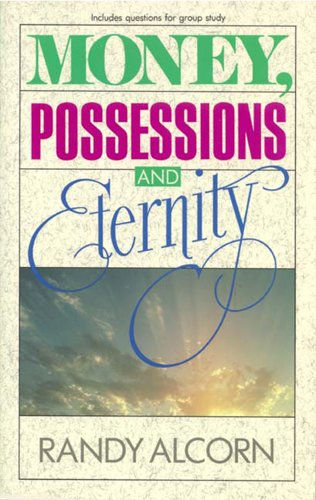
Eternal Perspective Ministries describes Randy Alcorn’s Money, Possessions, and Eternity as a 503-page softcover that examines stewardship, materialism, prosperity teaching, debt, giving, poverty, investing, insurance, saving, retirement, and inheritance. That wider scope makes it useful after you build a basic budget and want to examine the beliefs and desires shaping your financial choices. The book offers Alcorn’s evangelical interpretation, so readers should continue testing its applications against Scripture and the doctrinal disagreements identified above.
As an Amazon Associate I earn from qualifying purchases.
Product Title
16 px collapsible text is perfect for longer content like paragraphs and descriptions. It’s a great way to give people more information while keeping your layout clean. Link your text to anything, including an external website or a different page. You can set your text box to expand and collapse when people click, so they can read more or less info.
$320

Product Title
16 px collapsible text is perfect for longer content like paragraphs and descriptions. It’s a great way to give people more information while keeping your layout clean. Link your text to anything, including an external website or a different page. You can set your text box to expand and collapse when people click, so they can read more or less info.
$900

Product Title
16 px collapsible text is perfect for longer content like paragraphs and descriptions. It’s a great way to give people more information while keeping your layout clean. Link your text to anything, including an external website or a different page. You can set your text box to expand and collapse when people click, so they can read more or less info.
$560
Product Title
16 px collapsible text is perfect for longer content like paragraphs and descriptions. It’s a great way to give people more information while keeping your layout clean. Link your text to anything, including an external website or a different page. You can set your text box to expand and collapse when people click, so they can read more or less info.
$280


Comments