

How to Stop Comparing Yourself to Other Men as a Christian


Another man buys a larger house. A friend gets promoted. Someone at church seems confident, respected, and settled while you feel behind. You congratulate him, then spend the drive home reviewing everything you lack.
Comparison becomes harmful when another man's success determines how you judge your own life. You resent his opportunities, overlook your responsibilities, or dismiss your progress because it looks smaller than his. The issue deserves a truthful response rather than another attempt to appear unaffected.
Learning how to stop comparing yourself to other men as a Christian starts with examining your conduct before God. Scripture calls you to reject envy, rejoice with others, and learn contentment through Christ. These practices give you specific responses when resentment returns.
Recognize the difference between learning and ranking
Learning from another man is useful. Ask how he manages his time, listens to his children, develops a skill, or handles difficult decisions. His example gives you something to evaluate. You remain responsible for deciding whether the practice serves your own duties.
Ranking asks different questions. Am I more successful than him? Does my family make me look impressive? Will people respect me if they see what I earn? Those questions make another person's position your measure of worth. Even a favorable comparison offers an unstable reason for confidence.
Name the difference in plain language. 'I want to learn how he organizes his business' identifies a practical goal. 'I need to earn more than him before I feel respected' identifies a demand for status. The second statement calls for repentance and a changed standard, not a better productivity method.
How to stop comparing yourself to other men as a Christian
Read Galatians 6:1–5 together. Paul addresses gentle restoration, carrying one another's burdens, self-deception, and personal examination. His instruction to examine your own work belongs within a community of mutual care. He does not promote isolation or indifference toward struggling believers.
The practical application is straightforward. Review your own conduct without using someone else's weakness to excuse it or someone else's achievement to dismiss it. Have you kept your word? Have you handled your responsibilities honestly? Have you responded gently to a person who needs correction? These questions direct attention toward conduct you are responsible to change.
Avoid turning this examination into self-salvation. Later in the chapter, Paul identifies the cross of Christ as his reason for boasting. Personal responsibility does not replace grace. Christ gives you a reason to face the truth about yourself without seeking superiority over another man.

Resist the urge to explain another man's opportunities
John 21:18–22 records Jesus speaking to Peter about the death through which Peter would glorify God. Peter then asks about the other disciple. Jesus redirects Peter to following him. The passage addresses those disciples in a specific setting, so do not treat it as a prediction about your own lifespan or another person's future.
A responsible application is to resist distracting speculation about someone else's circumstances. You do not know every sacrifice, failure, obligation, or private difficulty behind his public life. More importantly, you do not need a full account of his opportunities before responding faithfully to your own duties.
When your mind returns to why his work receives more recognition, identify the responsibility you are avoiding. Complete the assignment. Make the overdue apology. Address the financial concern honestly. Ask for help with a weakness. Those steps do not explain the difference between your lives. They give you a useful response to your present situation.
Practice rejoicing when envy argues against it
Romans 12:9–21 describes sincere love within a wider pattern of Christian conduct. Verse 15 calls believers to rejoice with those who rejoice and weep with those who weep. Another person's success is an opportunity to practice love rather than a reason to dismiss your life.
Offer a specific congratulations without adding a qualification. Ask about the achievement with genuine interest. Avoid turning the conversation into an explanation of your own disappointments. If envy remains, confess it to God rather than disguising it as criticism of the other man's motives.
Rejoicing does not require pretending every achievement deserves approval. Refuse dishonest gains and harmful conduct. Yet avoid searching for faults simply because another man received something you wanted. Evaluate the conduct fairly and keep your resentment separate from the evidence.
Learn contentment without abandoning effort
In Philippians 4:10–20, Paul thanks the Philippians for their concern and material support. He describes learning contentment amid both abundance and need. His statement about strength through Christ belongs to this discussion of differing circumstances. It is not a guarantee of higher income, a promotion, or victory over a competitor.
Contentment and responsible effort belong together. You still need to work, learn, address debt, and care for your household. Contentment rejects making a particular level of success the condition for gratitude or obedience. Pursue a useful improvement without treating your current life as worthless until you achieve it.
Write two short lists. First, identify the practical problem needing attention. Second, identify what you already have reason to receive with gratitude. Keep both lists truthful. Gratitude does not require denying hardship, and hardship does not remove every reason for thanks.

Stop making your family prove your standing
Comparison affects the home when a husband treats another marriage as a standard his wife must perform against. It affects fatherhood when a child's achievement becomes proof of his father's success. Your family members deserve patient attention as people, not pressure to support your reputation.
Ask whether your expectations address their real needs or your desire to appear successful. A child's learning difficulty requires understanding and appropriate help. A strained marriage requires honest conversation and changed conduct. Neither improves when you repeatedly point to a household which looks easier from the outside.
Make one expectation specific and fair. Replace 'Why aren't we like them?' with a question about your own next action. What promise have you neglected? Where do you need to listen? What support would help your child? If you have used comparisons to shame someone, acknowledge the words and apologize without defending them.
Set a useful boundary around comparison triggers
Notice where comparison repeatedly becomes resentment. It might follow a particular social media account, a professional gathering, or conversations about income. Identifying the setting helps you choose a practical boundary. These are suggestions for application, not rules Scripture imposes on every believer.
Mute an account for a week if you repeatedly use it to assess your worth. Set your phone aside before spending time with your children. Prepare one sincere question before meeting a successful friend. Ask a mature believer to challenge your explanations when envy turns into gossip.
Removing a trigger does not address every desire beneath it. Use the space to pray, examine your motives, and practice a better response. A changed habit serves its purpose when it helps you love others and carry your own responsibilities more faithfully.
Questions men ask about envy and comparison
Is ambition wrong? Working toward a worthwhile goal differs from needing to outrank another man. Examine the goal, the means you use, and the people your pursuit affects. Refuse dishonesty and neglect even if they promise faster progress.
What if someone has advantages I never received? Acknowledge the difference honestly. You need not pretend everyone began with the same resources or opportunities. The difference does not settle what faithfulness requires from you today.
Should I stop learning from successful men? No. Receive useful instruction without treating the teacher's life as your required outcome. Ask about habits and decisions, then evaluate them against your responsibilities and circumstances.
What if I keep feeling jealous after praying? Continue confessing envy and practicing truthful, loving responses. A sincere congratulations, an honest conversation, or a completed duty gives your repentance a concrete expression. Do not expect every feeling to change immediately.
One response to practice today
Choose one man whose success has bothered you. Identify the desire beneath your resentment. Pray about it honestly. Then take one appropriate action: congratulate him, ask a useful question, stop repeating a critical remark, or complete a responsibility you have neglected.
Your aim is faithful conduct before God, not a better position beside another man. Return to Scripture, receive correction, and depend on Christ while you practice contentment. Begin with the responsibility already in front of you.
Read Scripture in context
Continue your study
Related teaching: The Secret of Contentment
Brian G. Hedges teaches Philippians 4:10–13 in this message from Redeemer Church. The sermon examines contentment and dependence on Christ. Read the passage alongside the teaching.
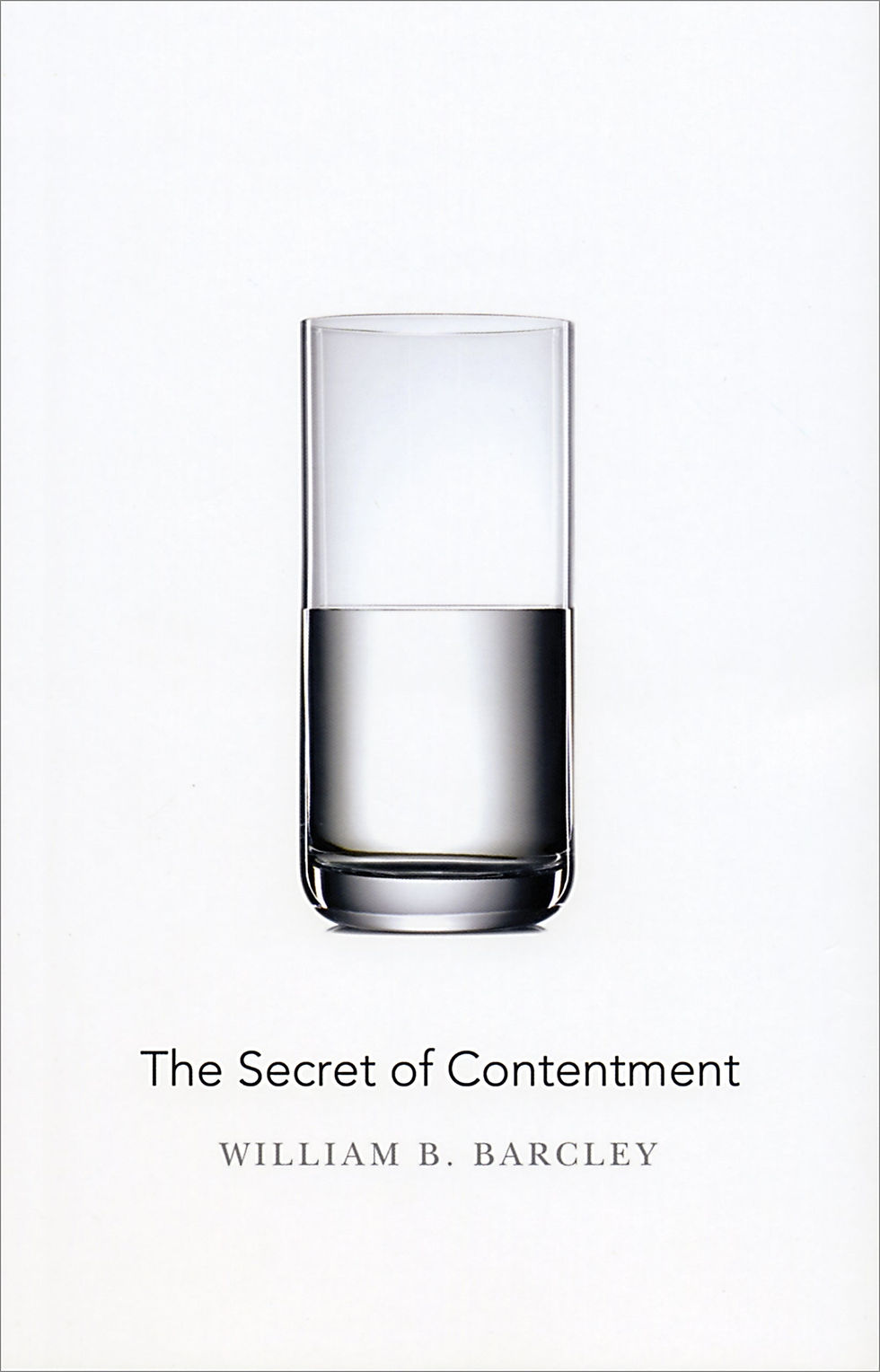
Further reading: The Secret of Contentment
William B. Barcley's The Secret of Contentment examines discontent through Paul's teaching and the writings of Jeremiah Burroughs and Thomas Watson. P&R publishes the paperback edition linked below. The book provides a longer study for readers who want to examine their desires and practice contentment beyond this article.
As an Amazon Associate I earn from qualifying purchases.
Product Title
16 px collapsible text is perfect for longer content like paragraphs and descriptions. It’s a great way to give people more information while keeping your layout clean. Link your text to anything, including an external website or a different page. You can set your text box to expand and collapse when people click, so they can read more or less info.
$320

Product Title
16 px collapsible text is perfect for longer content like paragraphs and descriptions. It’s a great way to give people more information while keeping your layout clean. Link your text to anything, including an external website or a different page. You can set your text box to expand and collapse when people click, so they can read more or less info.
$900

Product Title
16 px collapsible text is perfect for longer content like paragraphs and descriptions. It’s a great way to give people more information while keeping your layout clean. Link your text to anything, including an external website or a different page. You can set your text box to expand and collapse when people click, so they can read more or less info.
$560
Product Title
16 px collapsible text is perfect for longer content like paragraphs and descriptions. It’s a great way to give people more information while keeping your layout clean. Link your text to anything, including an external website or a different page. You can set your text box to expand and collapse when people click, so they can read more or less info.
$280


Comments