
Afraid, Pressured, Watchful, Steady, Courageous, Strong, Loving, Faithful, Responsible, Supported
1 Corinthians 16:13–14 NIV
Be on your guard; stand firm in the faith; be courageous; be strong. Do everything in love.
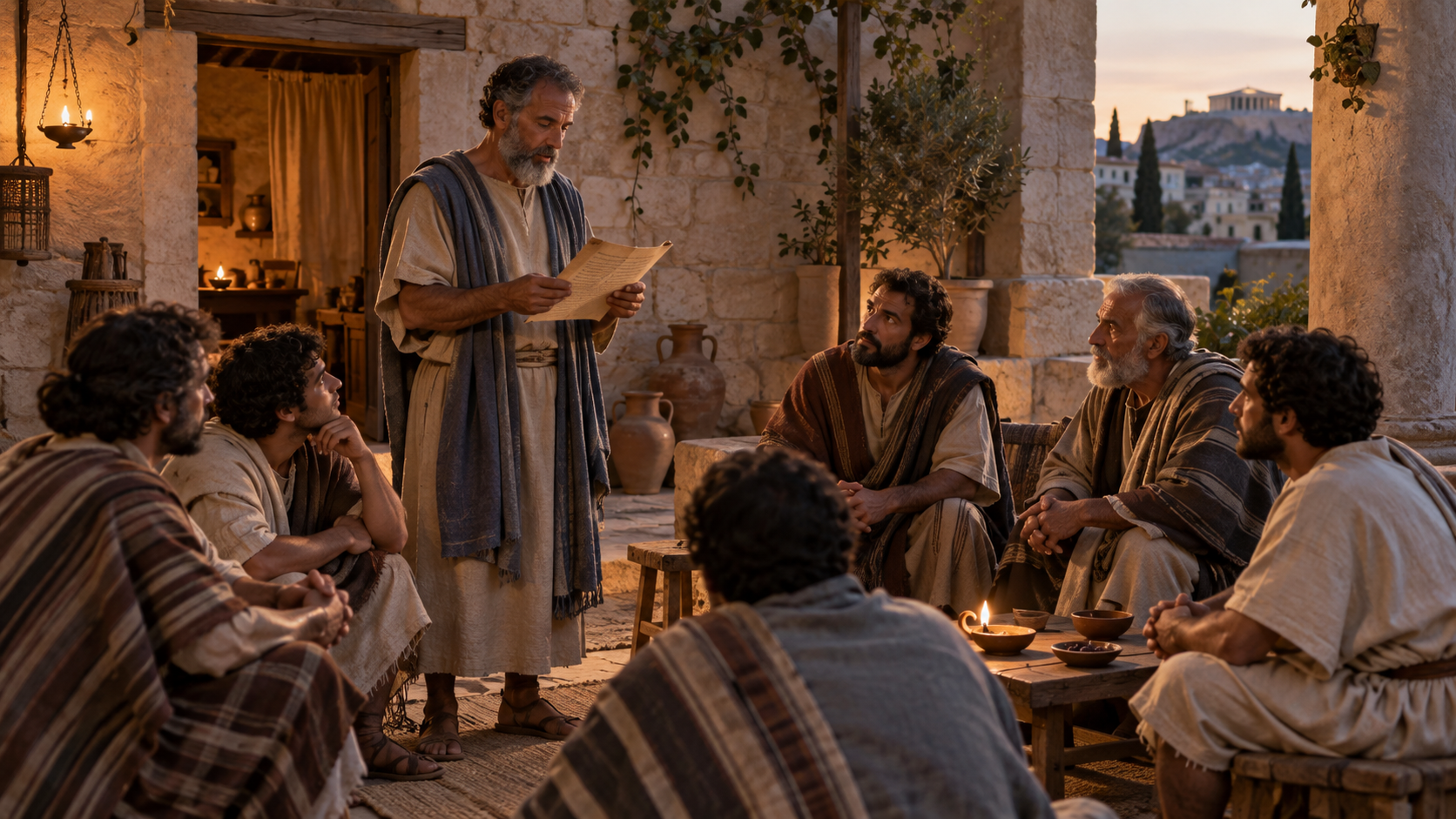
Paul gives Christian men a demanding picture of strength. Stay alert. Hold your ground in the faith. Face pressure with courage. Grow strong. Then place every action under the rule of love. Biblical courage never excuses pride, anger, or harshness. Real strength protects people, tells the truth, keeps its commitments, and serves others when fear or fatigue urges retreat.
Scripture Explained
Paul closes First Corinthians with five closely connected commands. The church in Corinth faced division, moral compromise, pride, confusion about worship, and tension between believers. His closing words gather many concerns from the letter into one direct charge. Christian maturity requires alertness, stability, courage, strength, and love working together. Removing any one of those qualities distorts the rest.
“Be on your guard” calls believers to spiritual alertness. Corinthian Christians lived amid persuasive ideas, public pressure, sexual temptation, and competition for status. Carelessness left them open to drift. Paul does not call them into suspicion or constant fear. He urges them to remain awake to danger, examine influences honestly, and recognize early signs of compromise before sin gains deeper control.
“Stand firm in the faith” points toward settled loyalty to the gospel Paul taught. The Corinthians had received the message of Christ’s death, burial, and resurrection. Their confidence needed roots in God’s revealed truth rather than popular opinion, personal preference, or a forceful personality. Firm faith refuses to abandon Christ when obedience becomes unpopular, costly, or emotionally difficult.
The command translated “be courageous” uses a Greek expression associated with mature bravery. Paul pairs courage with strength, yet his final command governs every expression of both. “Do everything in love” rejects intimidation, selfish ambition, and harsh control. Biblical courage faces danger and accepts responsibility. Biblical love decides how strength speaks, leads, corrects, protects, and serves.
Think About This
Many men learn to measure strength by volume, control, endurance, or visible success. Paul offers a deeper measure. A strong Christian man stays faithful when nobody applauds, listens before reacting, admits sin without excuses, and keeps serving when weariness arrives. He does not confuse emotional silence with maturity. He brings fear, grief, and uncertainty before God instead of letting hidden pressure rule his behavior.
Alertness begins with honest attention. Look closely at habits shaping your thoughts, relationships, and private decisions. Repeated compromise rarely begins with one dramatic choice. It grows through small permissions, neglected prayer, unresolved resentment, secret entertainment, dishonest speech, or isolation from wise believers. Guarding your life means noticing direction early and responding before a pattern hardens.
Love gives courage its proper purpose. Without love, firmness becomes stubbornness and leadership becomes control. Love does not avoid hard truth. It delivers truth with a desire to restore rather than humiliate. A husband, father, employer, friend, or church leader shows strength when he protects another person’s dignity while addressing a real problem with clarity.
What Should I Do
Name one area where pressure has weakened your obedience. Write the issue plainly, without softening your responsibility or exaggerating another person’s fault. Identify the next faithful action. Your step might involve confession, ending a hidden habit, making a delayed decision, seeking counsel, setting a boundary, or returning to a neglected duty. Courage grows through concrete obedience.
Prepare for one difficult conversation through prayer and careful words. Decide what truth needs expression, what tone honors Christ, and what result belongs in God’s hands. Speak directly without attacking motives. Listen fully before answering. Refuse sarcasm, threats, and rehearsed accusations. Strength under control protects the relationship while still confronting the problem.
Choose one act of love requiring personal cost this week. Give focused attention to your wife, help a child through a struggle, encourage a discouraged friend, serve someone who offers no advantage, or repair harm from your own choices. Love becomes visible through decisions. Good intentions gain weight when they require time, humility, comfort, or money.
Bring another faithful man into your life. Ask him to question you about the area where you feel most vulnerable. Give him permission to speak honestly. Isolation weakens alertness because blind spots remain unchallenged. Brotherhood strengthens courage through prayer, correction, encouragement, and shared obedience. Strong men still need brothers who help them remain faithful.
Learn More
Follow Paul’s argument across First Corinthians. Chapters 1 through 4 confront pride and division. Chapters 5 through 7 address holiness and relationships. Chapters 8 through 10 examine freedom governed by concern for others. Chapters 12 through 14 place spiritual gifts under the rule of love. Chapter 15 grounds steadfast service in Christ’s resurrection. The final commands reflect the whole letter.
Compare this charge with Ephesians 6:10–18, Philippians 1:27–30, and 2 Timothy 1:7. Each section joins courage with dependence on God. None presents strength as self-sufficiency. Christian bravery rests on God’s power, gospel conviction, disciplined thinking, faithful community, and active love. A man stands firm because Christ holds him, then uses his strength for God’s honor and another person’s good.



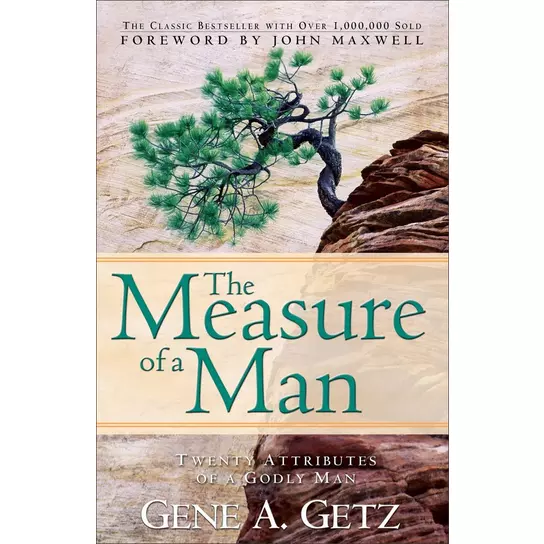
The Measure of a Man: Twenty Attributes of a Godly Man
0800722388
Gene Getz draws twenty marks of godly character from Paul’s instructions for spiritual leadership and applies them to a man’s private life, family, church, and relationships. The book fits 1 Corinthians 16:13–14 because it treats strength as mature character shaped by faith, discipline, humility, and love.
Stand Firm and Love Well
A prayer for courage, steady faith, and strength governed by love.
Father, keep me alert when compromise looks harmless and pressure urges me to retreat. Root me firmly in the gospel. Give me courage to face hard responsibilities, admit my failures, and obey You without waiting for comfort or approval. Strengthen my heart so fear, pride, anger, and exhaustion do not govern my choices.
Teach me to use strength with love. Help me speak truth without cruelty, lead without control, protect without pride, and serve without seeking praise. Show me where I need correction and give me faithful brothers who will speak honestly. Let my family, work, church, and private life reflect steady faith and costly love. In Jesus’ name, Amen.



Copyright Notice
Copyright © 2026 Men Building Faith. All rights reserved.
All content on this website, including text, articles, devotionals, blog posts, graphics, logos, designs, photographs, videos, downloads, and other original materials (collectively, “Content”), is owned by Men Building Faith and is protected by U.S. and international copyright laws.
No part of this site may be copied, reproduced, republished, uploaded, posted, publicly displayed, transmitted, distributed, sold, licensed, or otherwise exploited for any purpose without prior written permission from Men Building Faith, except for brief quotations used for noncommercial purposes with proper attribution and a link back to the original page.
NLT- Scripture quotations marked (NLT) are taken from the Holy Bible, New Living Translation, copyright ©1996, 2004, 2015 by Tyndale House Foundation. Used by permission of Tyndale House Publishers, Carol Stream, Illinois 60188. All rights reserved.
NIV- Scripture quotations taken from The Holy Bible, New International Version® NIV® Copyright © 1973, 1978, 1984, 2011 by Biblica, Inc. Used with permission. All rights reserved worldwide.
AMP- Scripture quotations taken from the Amplified® Bible (AMP), Copyright © 2015 by The Lockman Foundation. Used by permission
NKJV- Scripture taken from the New King James Version®. Copyright © 1982 by Thomas Nelson. Used by permission. All rights reserved
ESV- Scripture quotations are from the ESV® Bible (The Holy Bible, English Standard Version®), copyright © 2001 by Crossway Bibles, a publishing ministry of Good News Publishers. Used by permission. All rights reserved.