
Spiritual Warfare, Courage, Gentleness
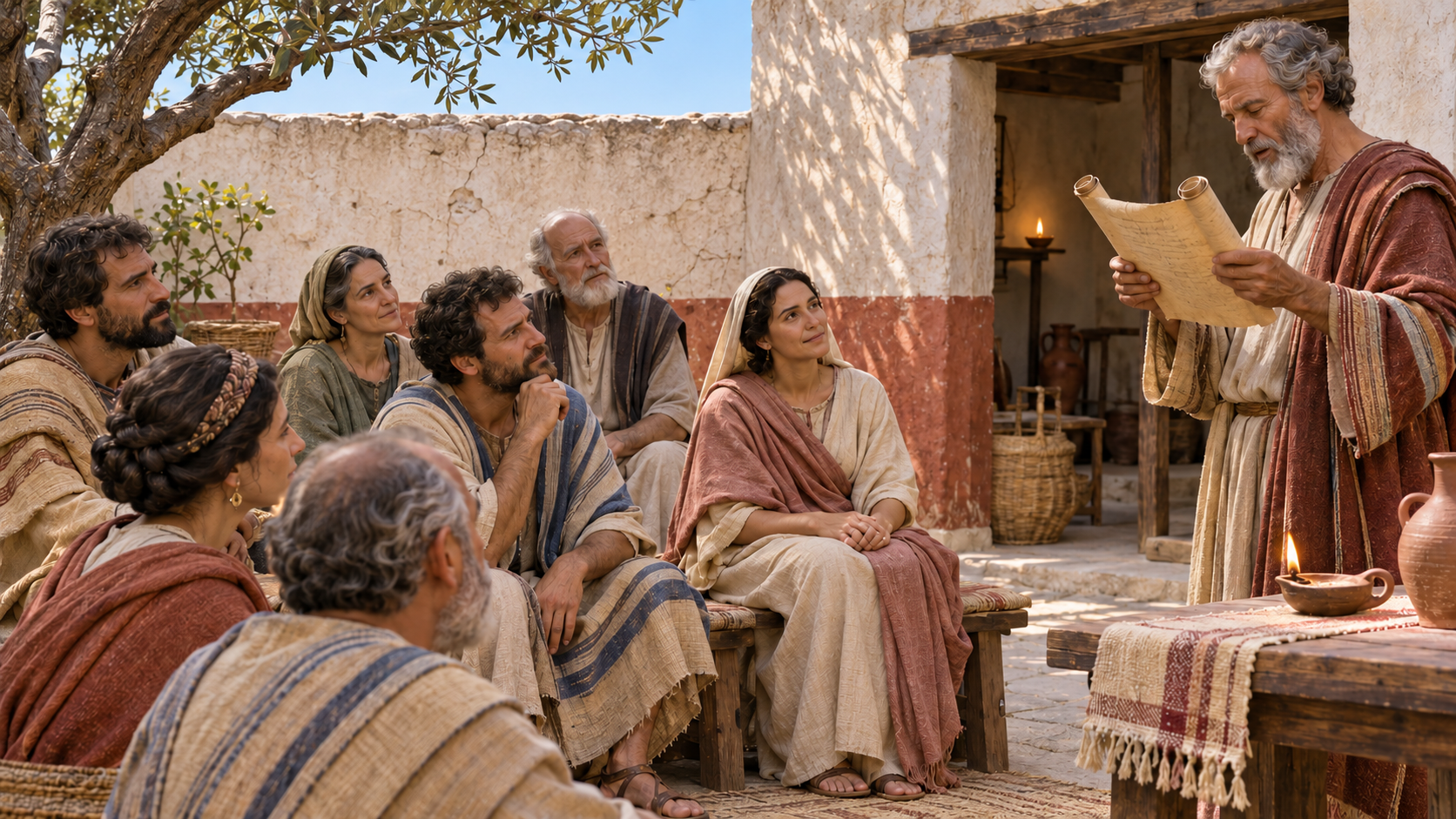
2 Corinthians 10:3–4 ESV
For though we walk in the flesh, we are not waging war according to the flesh. For the weapons of our warfare are not of the flesh but have divine power to destroy strongholds.
It is hard to stay gentle when someone questions your judgment or makes you look weak. You may know the truth and still feel tempted to defend it through pressure, sarcasm, or the need to have the last word. Paul faced criticism of his own ministry, and his response helps us examine more than the strength of an argument. In 2 Corinthians 10:3–4, he points to power that comes from God and serves obedience to Christ. His words invite us to bring our convictions and our methods under the same Lord, especially in the conversations where pride is quickest to rise.
Scripture Explained
When a man feels dismissed, the urge to prove himself can arrive before he has considered what the moment requires. A sharper answer, a public correction, or a carefully chosen detail might put the other person in his place. Paul knew what it meant to have his credibility questioned. Yet he begins this part of his letter by appealing through Christ’s meekness and gentleness. His words about warfare belong within that appeal, where firmness and humility serve the same Lord.
Paul is addressing the church in Corinth, a city in the Roman province of Achaia, and answering people who judged his ministry by outward standards. Some portrayed him as forceful in letters but unimpressive in person. We should not supply details about every opponent that the letter does not give. What is clear is that Paul refuses to defend the gospel by adopting the methods of self-promotion and human pride that contradict its message.
The two uses of flesh in verse 3 carry different emphases. Paul lives an ordinary embodied human life, but he does not conduct his ministry by merely worldly standards. The military picture describes a spiritual conflict, not permission to harm people. Verse 5 explains the strongholds through arguments and proud claims resisting the knowledge of God. The goal is obedience to Christ. God’s power confronts entrenched falsehood through a ministry that remains accountable to the truth it proclaims.
Think About This
A conversation can be won while trust is being lost. You may get the last word with your wife, silence a younger man at church, or make a coworker look foolish, yet leave the actual misunderstanding untouched. Paul’s example asks us to examine both our message and our methods. Saying something true does not make ridicule, manipulation, or intimidation faithful. The way we defend our convictions should bear witness to the Christ whose name we claim.
Depending on God does not mean surrendering discernment or avoiding hard questions. Paul argues, corrects, and exercises real responsibility. He simply does not treat human weakness as a reason to abandon Christ’s way. Our application begins with that distinction. We can address deception firmly while refusing contempt, and acknowledge our own limits without deciding that truth is powerless. A slow change of heart does not prove that humiliation would have been a better tool.
What Should I Do
Bring one current conflict before God and name what you are trying to secure. Perhaps it is a necessary correction, but perhaps being respected has become more important than being honest. Ask the Lord to expose that mixture without excusing the other person’s wrongdoing. Before your next reply, separate what you know from what you have assumed. Prayer can help you enter the conversation as someone who also needs grace, rather than as the person entitled to pass final judgment.
Prepare a truthful response that addresses the issue without attacking the person’s worth. If you need to correct a false claim, identify the evidence and explain why it matters. If you have used sarcasm or pressure, acknowledge it plainly instead of attaching an excuse. In a serious situation, seek appropriate pastoral counsel or professional help and establish necessary boundaries. Christlike gentleness does not require concealing harm or allowing someone to continue abusing a position of trust.
Choose a practice that keeps you dependent on God beyond this one conversation. Read a short portion of Scripture carefully, pray for the person you find difficult, and ask a mature Christian brother to question your account of the conflict. Invite him to notice where you have made yourself look blameless. Such habits do not control another person’s response. They help you resist the familiar temptation to defend a good cause with methods that damage your witness.
Learn More
Read 2 Corinthians 10:1–6 together, then continue through verses 7–18 to notice Paul’s concern about appearances, boasting, and the Lord’s approval. The stronghold image must remain connected to that argument. It is not a formula for identifying a demon behind every difficulty or a promise that repeating particular words will produce an immediate result. Paul directs the church toward allegiance to Christ and confidence in God’s power, with obedience as the intended fruit.
Ephesians 6:10–18 develops the wider picture of spiritual struggle through truth, righteousness, faith, the gospel, God’s Word, and prayer. Second Timothy 2:24–26 adds a useful description of correction marked by patience and gentleness, with repentance dependent on God’s work. Consider those passages beside your next difficult conversation. Ask what faithfulness would look like if you no longer needed to appear invulnerable, and take one concrete step that joins a truthful word to a humble manner.



A Prayer for Truth and Gentleness
Lord Jesus, you know how quickly I reach for pressure, sarcasm, or self-defense when I feel challenged. Bring my motives into your light. Help me trust your power and speak your truth with the meekness and gentleness you have shown me.
Give me courage to address what is wrong without treating another person as an enemy to crush. Keep me honest about my own sin, willing to receive correction, and dependent on your Word and prayer. Make my next response faithful to you in both its purpose and its manner. Amen.
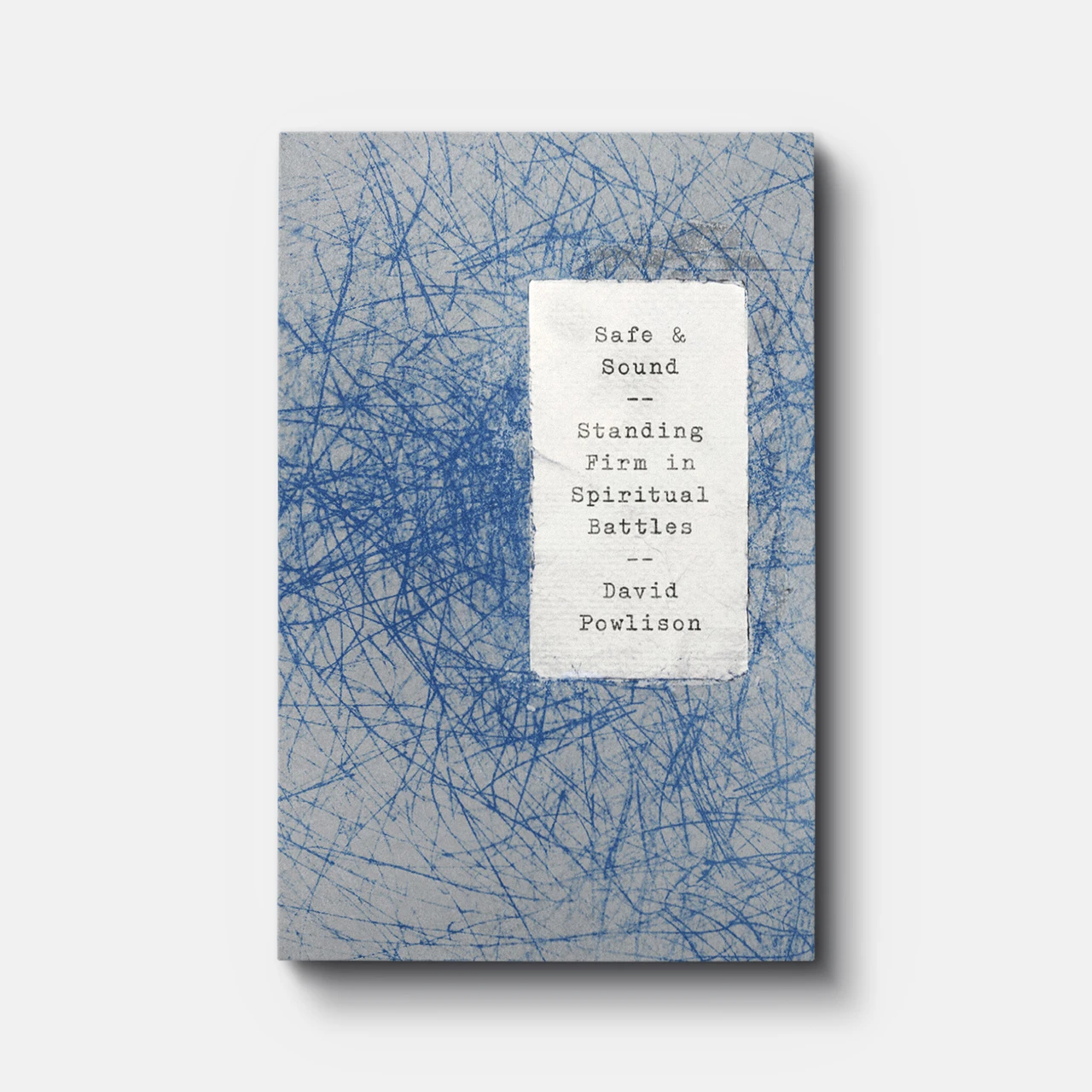
Safe and Sound: Standing Firm in Spiritual Battles — David Powlison (2019 New Growth Press Paperback)
David Powlison examines spiritual warfare through Ephesians, bringing Christ’s victory into the struggles people face with sin, the world, and evil. His careful biblical counsel helps readers understand dependence on God without turning spiritual conflict into spectacle. It directly supports Paul’s call to stand firm through God’s power and Christlike means.
1948130734





Copyright Notice
Copyright © 2026 Men Building Faith. All rights reserved.
All content on this website, including text, articles, devotionals, blog posts, graphics, logos, designs, photographs, videos, downloads, and other original materials (collectively, “Content”), is owned by Men Building Faith and is protected by U.S. and international copyright laws.
No part of this site may be copied, reproduced, republished, uploaded, posted, publicly displayed, transmitted, distributed, sold, licensed, or otherwise exploited for any purpose without prior written permission from Men Building Faith, except for brief quotations used for noncommercial purposes with proper attribution and a link back to the original page.
NLT- Scripture quotations marked (NLT) are taken from the Holy Bible, New Living Translation, copyright ©1996, 2004, 2015 by Tyndale House Foundation. Used by permission of Tyndale House Publishers, Carol Stream, Illinois 60188. All rights reserved.
NIV- Scripture quotations taken from The Holy Bible, New International Version® NIV® Copyright © 1973, 1978, 1984, 2011 by Biblica, Inc. Used with permission. All rights reserved worldwide.
AMP- Scripture quotations taken from the Amplified® Bible (AMP), Copyright © 2015 by The Lockman Foundation. Used by permission
NKJV- Scripture taken from the New King James Version®. Copyright © 1982 by Thomas Nelson. Used by permission. All rights reserved
ESV- Scripture quotations are from the ESV® Bible (The Holy Bible, English Standard Version®), copyright © 2001 by Crossway Bibles, a publishing ministry of Good News Publishers. Used by permission. All rights reserved.