
Aimless, Distracted, Ambitious, Pressured, Convicted, Reverent, Obedient, Steady, Accountable, Purposeful
Ecclesiastes 12:13 NIV
Now all has been heard; here is the conclusion of the matter: Fear God and keep his commandments, for this is the duty of all mankind.
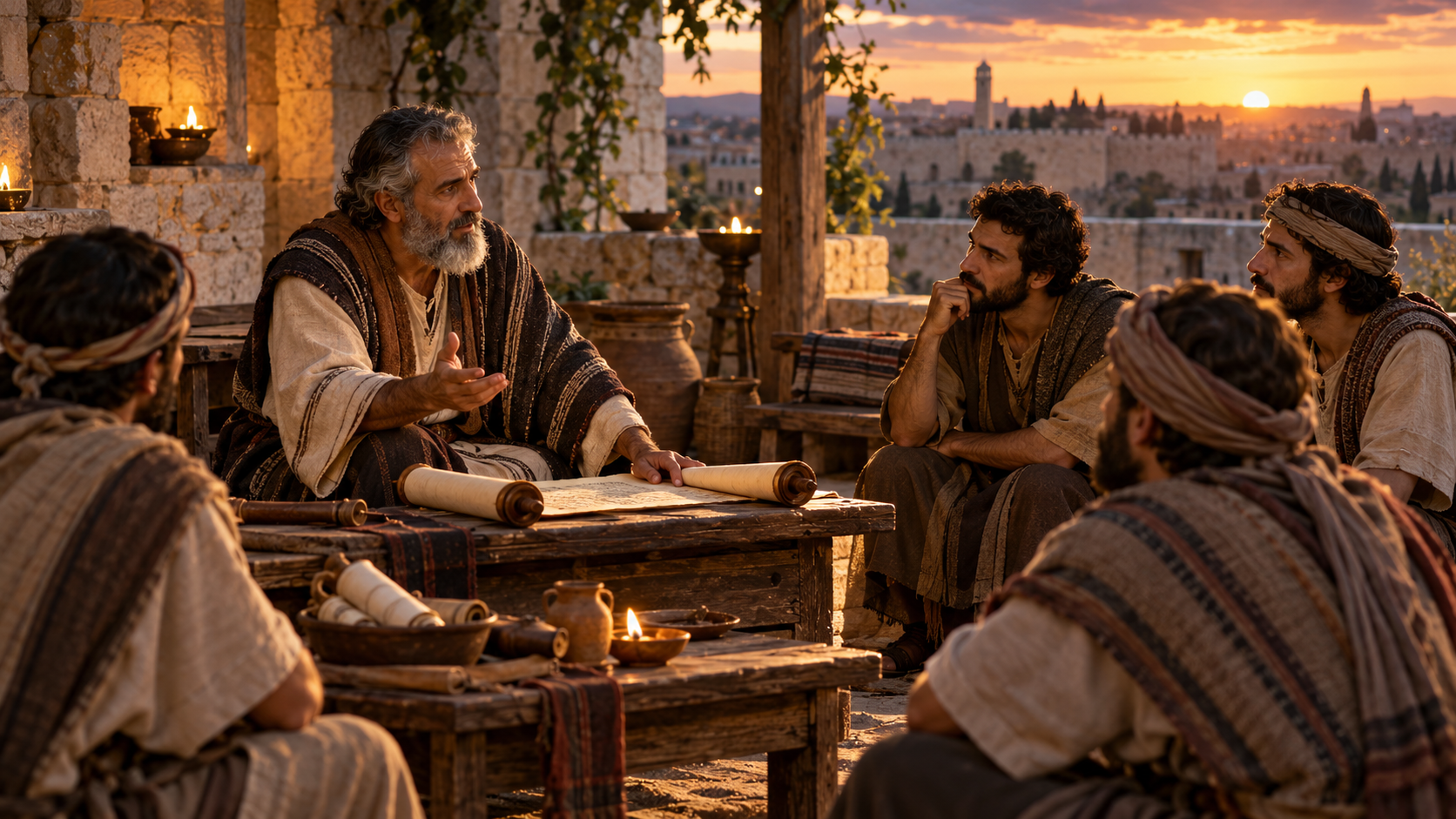
A man can spend years building a business, caring for a family, solving problems, and chasing the next finish line, only to wonder whether any of it will hold its weight when life grows quiet. Ecclesiastes does not dismiss honest work or ordinary joy, but it refuses to let them carry a burden they were never meant to bear. After examining ambition, pleasure, wisdom, disappointment, and death, the Teacher gives a plain conclusion: live before God with reverence, and let that reverence shape what you obey when no one is watching.
Scripture Explained
Most men know the satisfaction of finishing a hard job, providing for people they love, or watching a plan finally work. Those gifts matter, yet they cannot answer the deepest question of a life: What will still matter when the deadlines stop and we stand before God? Ecclesiastes presses that question without flattery. After examining work, pleasure, wisdom, and loss, the Teacher brings a restless man back to the One whose judgment gives every ordinary choice its weight.
The Hebrew speaker is called Qoheleth, often translated “Teacher” or “Preacher.” Ecclesiastes associates him with a royal son of David in Jerusalem, explaining the traditional connection to Solomon. Yet the book does not settle every question about authorship or its final date, so we should not claim more than the text gives. Its voice stands within Israel’s wisdom tradition, examining life “under the sun,” where achievement and loss keep trading places.
Chapter 12 moves from experiment to reckoning. The Teacher urges the young to remember their Creator before age weakens the body and death returns dust to earth. Wise words, he says, are like goads that keep a wandering animal on the path. Verse 13 is not a slogan pasted onto a gloomy book; it is the conclusion after an honest look at time, injustice, enjoyment, toil, and mortality. Verse 14 adds the reason: God will bring even hidden deeds into judgment.
Fearing God does not mean imagining Him as an unpredictable tyrant or living in panic. Biblical fear joins awe, humility, love, and the knowledge that God is holy and we are accountable to Him. Reverence takes visible form: “keep his commandments.” Obedience does not purchase mercy, and Ecclesiastes is not teaching salvation by performance. Read within the whole Bible, obedience grows from trusting the God who gives grace. His word then carries more authority than appetite, pressure, or applause.
Think About This
Many pressures in a man’s week compete for that authority. A supervisor can make compromise feel necessary; a strained marriage can make withdrawal feel justified; private temptation can promise relief without witnesses. Fear of losing money, approval, control, or comfort may govern a decision before we call it fear. Ecclesiastes asks us to name the throne beneath the choice. Whose verdict matters most when obedience costs something and disobedience could stay hidden?
The Teacher does not despise work, meals, friendship, or enjoyment; he receives them as gifts from God. His warning is that gifts collapse when asked to provide identity, permanence, or final meaning. A man can be respected yet ruled by opinion, or provide well while neglecting those nearest him. Reverence puts each pursuit in its place. We enjoy the gift, answer to the Giver, and refuse to let success excuse a crooked heart.
What Should I Do
Begin with one decision already asking for your loyalty. It may be a number you are tempted to shade, an apology you keep postponing, a screen habit you protect, or a promise at home that work has displaced. Put God’s command beside the excuse you have rehearsed. Specific confession is more useful than vague guilt because it brings the actual resistance into the light. Tell God plainly what you fear losing if you obey.
Then choose the next faithful action, not an impressive gesture. Correct the report, make the call, or return what is not yours. Ask your wife or children what your distracted presence has cost them, and listen without defending yourself. If the issue has become a pattern, invite a mature Christian man to ask direct questions and expect honest answers. Reverence grows muscle when obedience moves from intention into a calendar, a conversation, or a changed boundary.
Build small practices that keep God’s authority near. Read a short portion of Scripture before the day’s demands begin, asking what it reveals about God before asking what it requires of you. Pray over the hardest decision on your schedule. End the day by reviewing where fear of people, failure, or discomfort steered you. These habits do not earn favor with God; they train attention, helping a busy man remember that he lives before the Lord even in ordinary rooms.
Learn More
Read Ecclesiastes in its own movement rather than jumping to the ending. Notice the opening claim that life is fleeting, the Teacher’s experiments with pleasure and accomplishment in chapter 2, the poem about time in chapter 3, and the invitation to rejoice responsibly in 11:9 through 12:14. The final command becomes richer when you have felt the weight of what the book examines. It does not erase life’s puzzles; it tells us how to live faithfully while many remain unresolved.
Let Proverbs 1:7 and Deuteronomy 10:12–13 deepen the meaning of fearing God, then read John 14:15 and Philippians 2:12–13 to see how love, obedience, and enabling grace belong together. Choose one command you already understand and obey it today, asking the Holy Spirit for strength. A week from now, revisit the decision with a trusted brother. The goal is not to perform spirituality, but to become a man whose public work and private choices agree about who God is.




A Prayer to Fear God and Obey Him
Father, You see how easily I measure my life by what I finish, earn, repair, or control. Teach me the clean and joyful fear that takes Your holiness seriously without running from Your grace. Bring every ambition under Your authority, and show me where I have excused disobedience.
Give me courage to obey You in the decision directly in front of me, especially where honesty, patience, purity, or humility will cost something. Keep me from fearing people more than I fear You. Let my work, home, and private choices show that You are worthy of my trust. In Jesus’ name, amen.
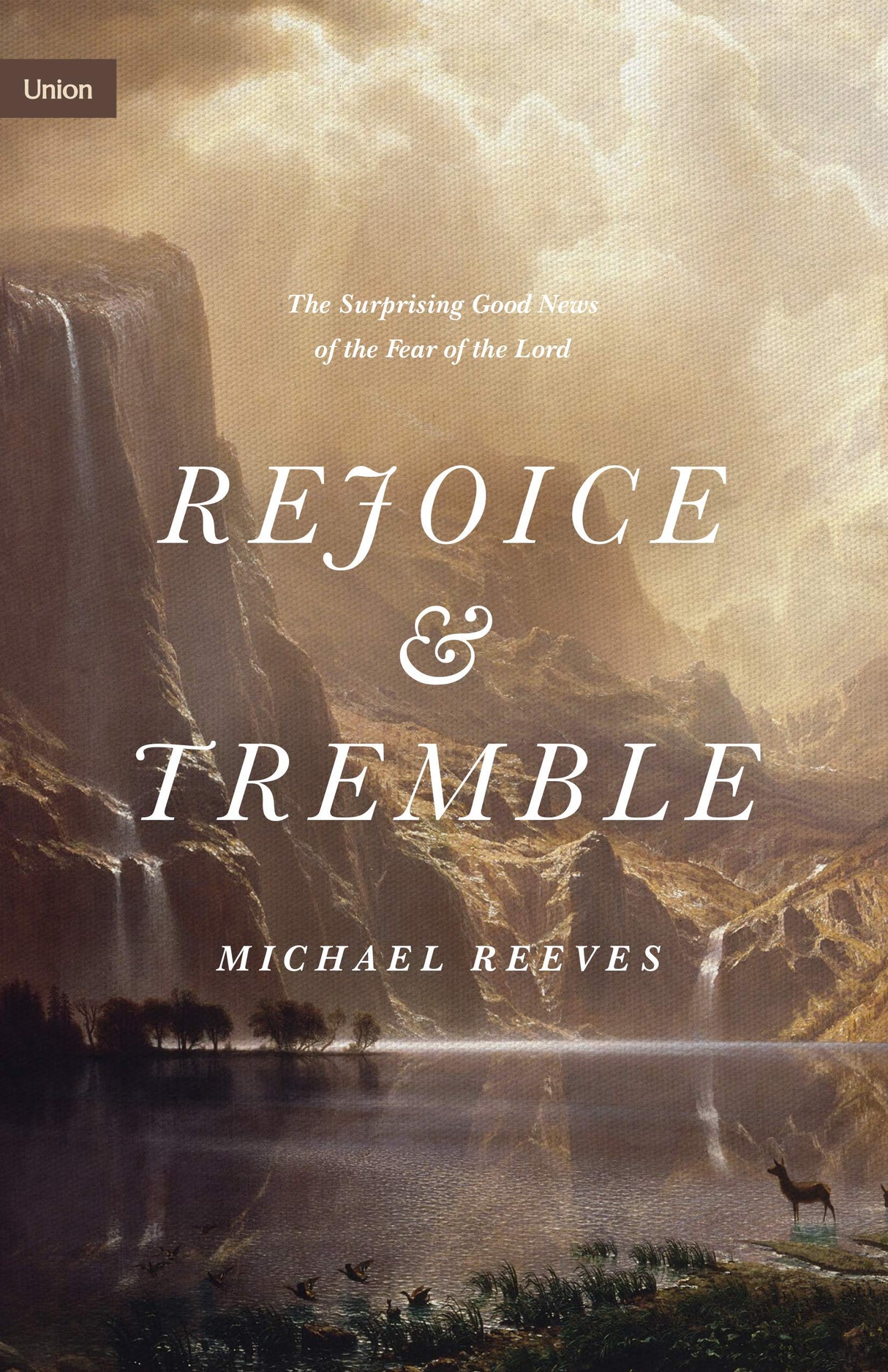
Rejoice and Tremble: The Surprising Good News of the Fear of the Lord — Michael Reeves (Crossway Hardcover, 2021)
Michael Reeves distinguishes the anxious fear that drives us away from God from the reverent, delighted fear that draws us toward His holiness and grace. Because Ecclesiastes 12:13 brings life’s many pursuits under the call to fear God and obey Him, this book is an unusually direct companion to the verse’s central lesson.
1433565323
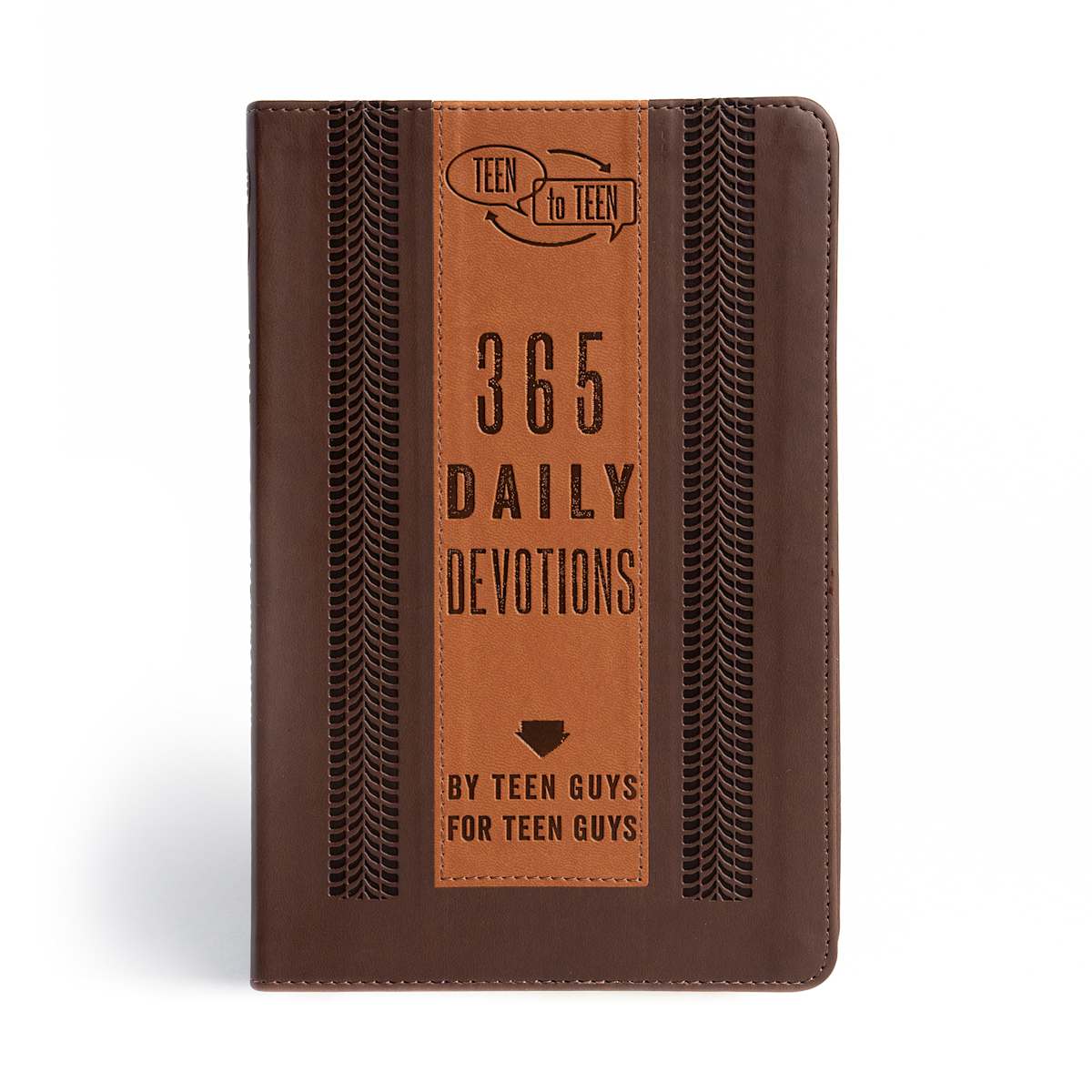
Teen to Teen: 365 Daily Devotions by Teen Guys for Teen Guys
A full year of Scripture-centered devotions written by teen guys for teen guys facing real-life pressures.

The Elijah Mandate: Biblical Courage from the Prophet Elijah for Standing Firm in a Compromising Culture
A biblical call to stand for truth, endure opposition, and discern God's direction through Elijah's example.
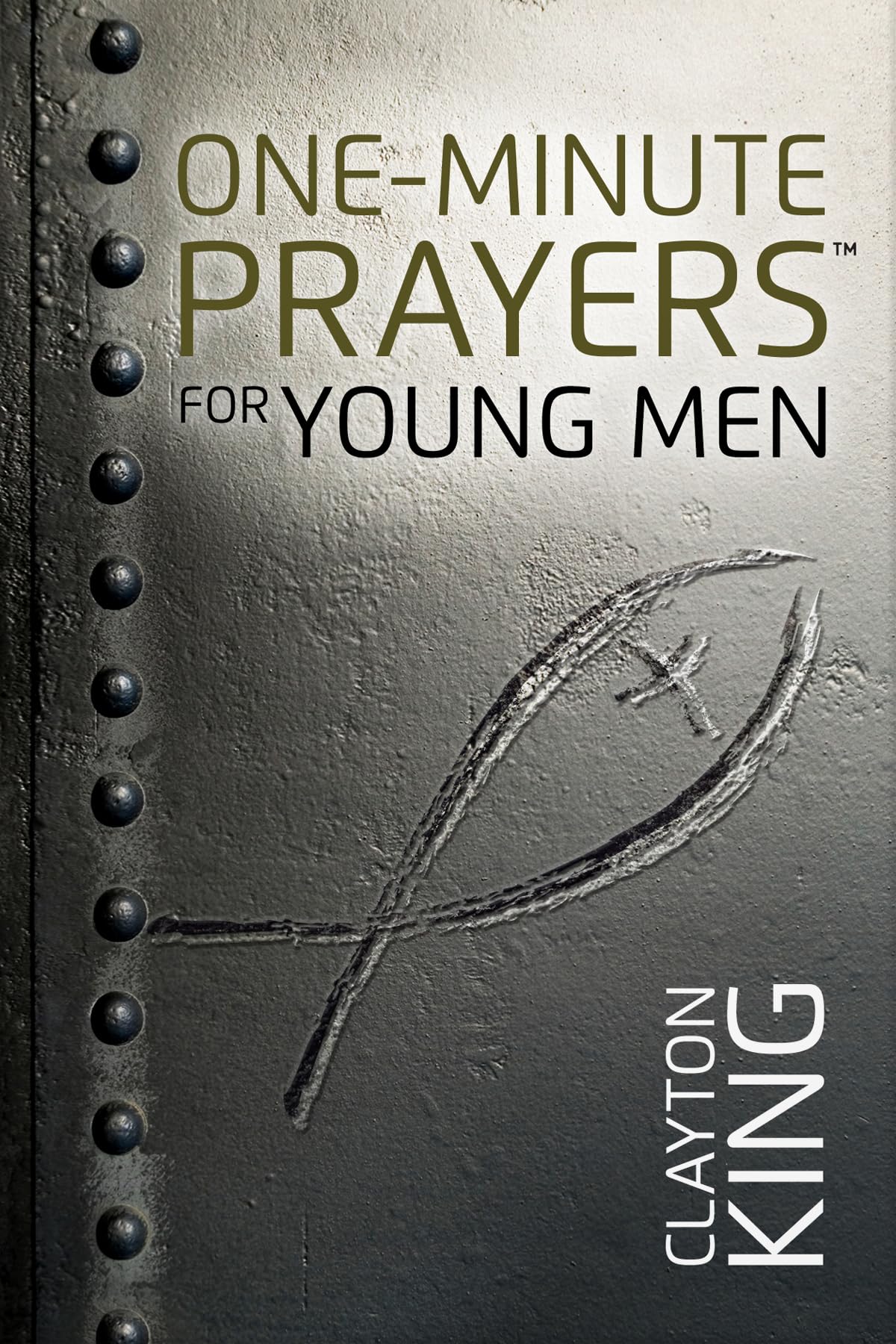
One-Minute Prayers for Young Men: Christian Prayer Devotional for Teen Boys Building Faith, Character, and Daily Prayer Habits
Brief, focused prayers help teen boys and young men build faith, character, purpose, and daily prayer habits.
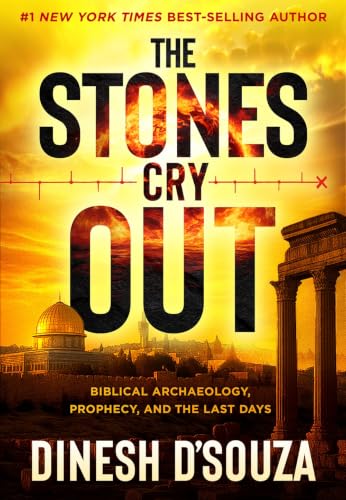
The Stones Cry Out: Biblical Archaeology, Prophecy, and the Last Days
An evidence-focused tour of archaeological finds that illuminate biblical history and its prophetic claims.
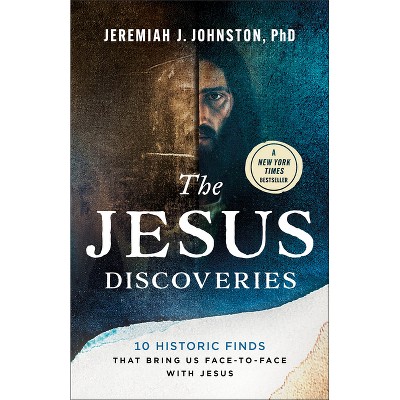
The Jesus Discoveries: 10 Historic Finds That Bring Us Face-to-Face with Jesus
Ten archaeological and manuscript discoveries build an accessible historical case for Jesus and the gospel accounts.
Copyright Notice
Copyright © 2026 Men Building Faith. All rights reserved.
All content on this website, including text, articles, devotionals, blog posts, graphics, logos, designs, photographs, videos, downloads, and other original materials (collectively, “Content”), is owned by Men Building Faith and is protected by U.S. and international copyright laws.
No part of this site may be copied, reproduced, republished, uploaded, posted, publicly displayed, transmitted, distributed, sold, licensed, or otherwise exploited for any purpose without prior written permission from Men Building Faith, except for brief quotations used for noncommercial purposes with proper attribution and a link back to the original page.
NLT- Scripture quotations marked (NLT) are taken from the Holy Bible, New Living Translation, copyright ©1996, 2004, 2015 by Tyndale House Foundation. Used by permission of Tyndale House Publishers, Carol Stream, Illinois 60188. All rights reserved.
NIV- Scripture quotations taken from The Holy Bible, New International Version® NIV® Copyright © 1973, 1978, 1984, 2011 by Biblica, Inc. Used with permission. All rights reserved worldwide.
AMP- Scripture quotations taken from the Amplified® Bible (AMP), Copyright © 2015 by The Lockman Foundation. Used by permission
NKJV- Scripture taken from the New King James Version®. Copyright © 1982 by Thomas Nelson. Used by permission. All rights reserved
ESV- Scripture quotations are from the ESV® Bible (The Holy Bible, English Standard Version®), copyright © 2001 by Crossway Bibles, a publishing ministry of Good News Publishers. Used by permission. All rights reserved.