
Busy, Distracted, Overwhelmed, Unfocused, Purposeful, Present, Wise, Faithful
Ephesians 5:15–16 NIV
Be very careful, then, how you live—not as unwise but as wise, making the most of every opportunity, because the days are evil.
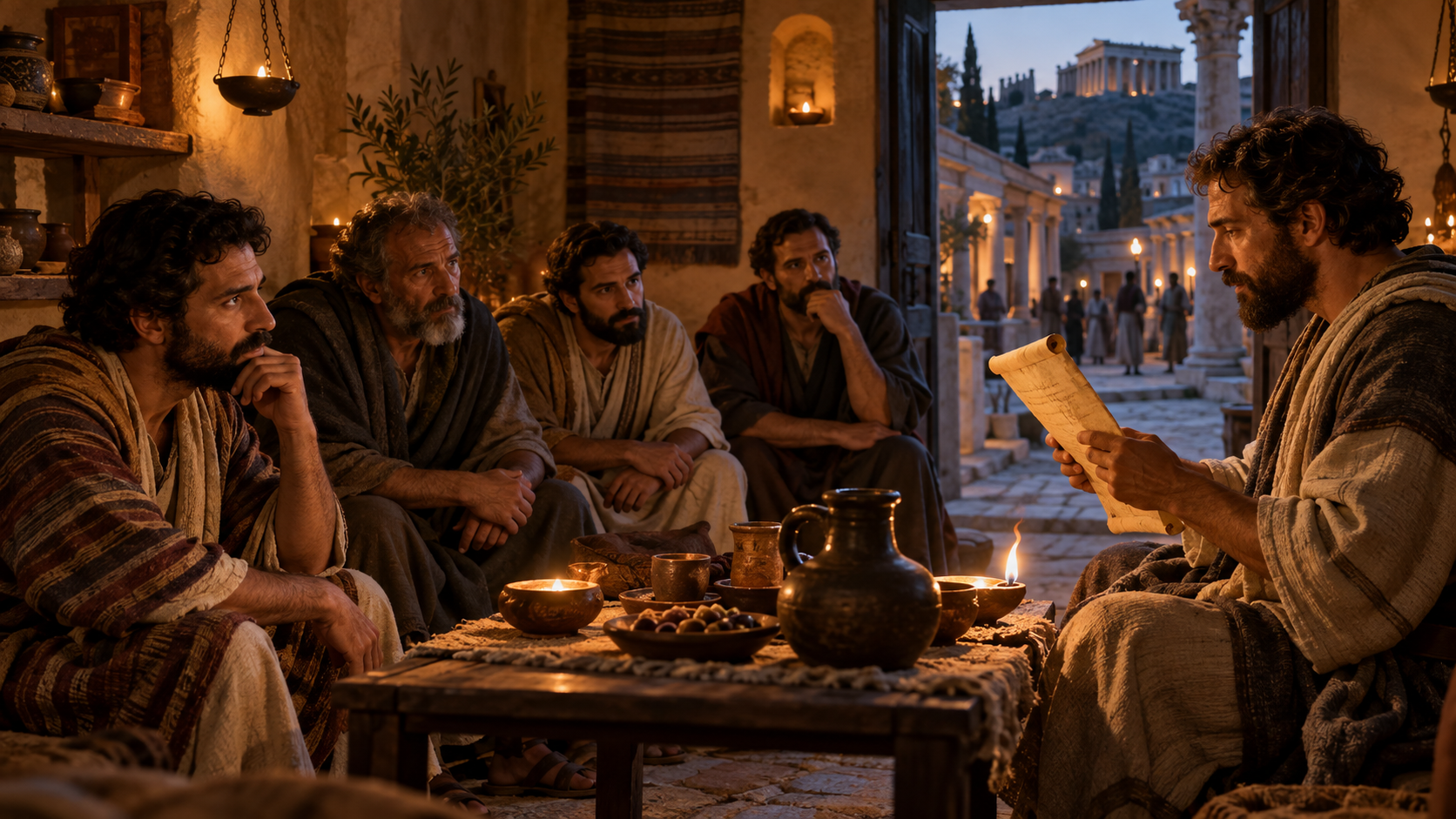
A crowded calendar can make a man feel responsible while quietly pulling him away from the people and purposes God has actually placed in front of him. Paul’s words in Ephesians 5 do not shame us for having full days, and they do not celebrate frantic productivity. They ask us to live awake—to notice where our hours are going, whose voice sets our priorities, and which opportunities carry eternal weight. Wisdom shows up in the schedule, but it also appears in the margin we leave for prayer, family, service, repentance, and the unexpected person who needs our attention.
Scripture Explained
Some days feel claimed before the morning settles. Messages arrive, work presses in, family needs attention, and the hours disappear into whatever sounds most urgent. Paul speaks into that pressure with a call to careful living. He is not asking believers to become anxious timekeepers. He is asking them to notice where their lives are headed and to choose a path shaped by wisdom rather than drift.
Ephesians moves from what God has done in Christ to how redeemed people should walk. Chapters 1–3 celebrate grace, reconciliation, and a new identity; chapters 4–6 show how that grace changes ordinary conduct. By the time Paul reaches 5:15–16, he has already urged the church to walk in love and to live as children of light. ‘Be very careful, then, how you live’ gathers those themes into a steady question: does the pattern of your days agree with the gospel you confess?
The phrase translated ‘making the most of every opportunity’ carries the sense of buying up an opening while it is available. Paul is not praising a packed calendar or demanding maximum output from every minute. The emphasis falls on wise faithfulness in a difficult time. Ephesus was a center of trade, religion, and imperial life, where the claims of Christ competed with powerful habits and loyalties. The pressures differ today, yet disciples still need discernment because every opportunity is not equally worth taking.
‘The days are evil’ is therefore not an excuse for panic or withdrawal. It is a sober reminder that time can be bent toward pride, distraction, resentment, and appetite unless wisdom gives it direction. Christian stewardship of time begins with belonging to Christ, not with mastering a productivity system. A wise man accepts his limits, keeps his responsibilities in their proper order, and remains interruptible when love requires his attention. Efficiency can save time, but only wisdom can tell him what that time is for.
Think About This
Busyness can make a man feel useful while quietly helping him avoid what matters. It is possible to answer every work message and remain unavailable to a wife, child, friend, or brother who needs an honest conversation. It is also possible to fill spare moments with news, sports, or scrolling until prayer and Scripture are pushed to the edges. The issue is not whether these activities are always wrong; it is whether they are training your attention to recognize God’s invitations or to miss them.
Look at the recurring shape of your week without defensiveness. Which commitments reflect genuine calling, and which ones survive because you fear disappointing people or appearing unproductive? Where are you giving your energy, and who receives only what is left? Paul’s counsel does not invite vague guilt. It invites a truthful inventory under grace, trusting that Christ can forgive wasted hours and teach you to walk differently with the next one.
What Should I Do
Begin by naming the few responsibilities God has clearly placed in front of you today. Before the noise builds, ask for wisdom and read enough Scripture to let God’s priorities challenge your own. Choose one task that serves your household, one that honors your work, and one act of love or obedience you have been postponing. This is not a formula for earning God’s favor. It is a practical way to keep urgent demands from deciding the whole day.
Then let your calendar tell the truth about your convictions. Protect time for worship, rest, family, and the relationships you say matter, while leaving enough margin for the unexpected needs of people. A schedule with no room for interruption may reveal control rather than faithfulness. Jesus often stopped for people who were not on the disciples’ agenda. Planning is wise, but a Christian plan remains open to the Lord who owns the hours.
Identify one habit that regularly steals attention without giving life back. Perhaps it is reaching for the phone whenever silence appears, carrying work into every room, or saying yes before you have considered the cost. Set a modest boundary you can keep this week: place the phone outside the bedroom, end work at a stated time, or decline one commitment that crowds out a better one. Small boundaries become meaningful when they protect a clear responsibility.
Finally, use time to repair what delay has made heavier. Make the call, offer the apology, keep the promise, or begin the difficult conversation you have been avoiding. At day’s end, review your choices with God without turning the exercise into self-punishment. Give thanks for grace, confess what needs confessing, and ask what faithfulness looks like tomorrow. Wisdom grows as repeated choices bring the life you have received in Christ into the hours you actually live.
Learn More
Psalm 90:12 asks God to teach us to number our days so that we may gain a heart of wisdom. Colossians 4:5 uses similar language about making the most of every opportunity, especially in relationships with outsiders. James 1:5 reminds believers to ask God for wisdom rather than pretending they already possess it. Read together, these passages keep time stewardship rooted in humility, witness, and dependence on God instead of mere personal optimization.
Jordan Raynor’s Redeeming Your Time: 7 Biblical Principles for Being Purposeful, Present, and Wildly Productive explores time management through the life and teaching of Jesus. The book speaks directly to Paul’s call to use opportunity wisely because it treats purpose, presence, rest, priorities, and productivity as matters of discipleship. It can help a man build practical rhythms without confusing a full schedule with a faithful life.




A Prayer for Wise Use of Time
Father, You know how quickly my attention scatters and how easily urgency begins to rule me. Give me wisdom to see the responsibilities and opportunities You have truly placed before me, and forgive the ways I have spent time protecting my comfort, pride, or distraction.
Teach me to plan without trying to control everything. Help me be present with my family, faithful in my work, available to people, and attentive to Your voice. Let the hours You give me become a quiet offering of love and obedience through Jesus Christ. Amen.
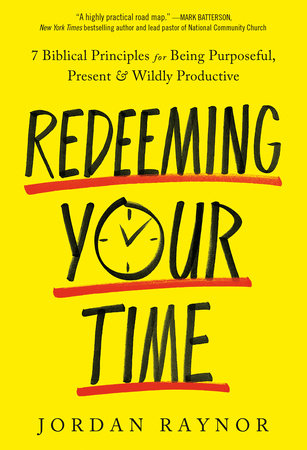
Redeeming Your Time: 7 Biblical Principles for Being Purposeful, Present, and Wildly Productive — Jordan Raynor (2021 WaterBrook Hardcover)
Jordan Raynor studies time management through the life and teaching of Jesus, pairing biblical purpose with practical rhythms for priorities, presence, rest, and focused work. It fits Ephesians 5:15–16 closely because it helps men consider not merely how to do more, but how to use limited hours with wisdom and faithfulness.
0593193075


Copyright Notice
Copyright © 2026 Men Building Faith. All rights reserved.
All content on this website, including text, articles, devotionals, blog posts, graphics, logos, designs, photographs, videos, downloads, and other original materials (collectively, “Content”), is owned by Men Building Faith and is protected by U.S. and international copyright laws.
No part of this site may be copied, reproduced, republished, uploaded, posted, publicly displayed, transmitted, distributed, sold, licensed, or otherwise exploited for any purpose without prior written permission from Men Building Faith, except for brief quotations used for noncommercial purposes with proper attribution and a link back to the original page.
NLT- Scripture quotations marked (NLT) are taken from the Holy Bible, New Living Translation, copyright ©1996, 2004, 2015 by Tyndale House Foundation. Used by permission of Tyndale House Publishers, Carol Stream, Illinois 60188. All rights reserved.
NIV- Scripture quotations taken from The Holy Bible, New International Version® NIV® Copyright © 1973, 1978, 1984, 2011 by Biblica, Inc. Used with permission. All rights reserved worldwide.
AMP- Scripture quotations taken from the Amplified® Bible (AMP), Copyright © 2015 by The Lockman Foundation. Used by permission
NKJV- Scripture taken from the New King James Version®. Copyright © 1982 by Thomas Nelson. Used by permission. All rights reserved
ESV- Scripture quotations are from the ESV® Bible (The Holy Bible, English Standard Version®), copyright © 2001 by Crossway Bibles, a publishing ministry of Good News Publishers. Used by permission. All rights reserved.