
Leadership, Overloaded, Responsible, Trustworthy, Accountable, Humble, Delegating, Integrity, Mentoring
Exodus 18:21 NIV
But select capable men from all the people—men who fear God, trustworthy men who hate dishonest gain—and appoint them as officials over thousands, hundreds, fifties and tens.
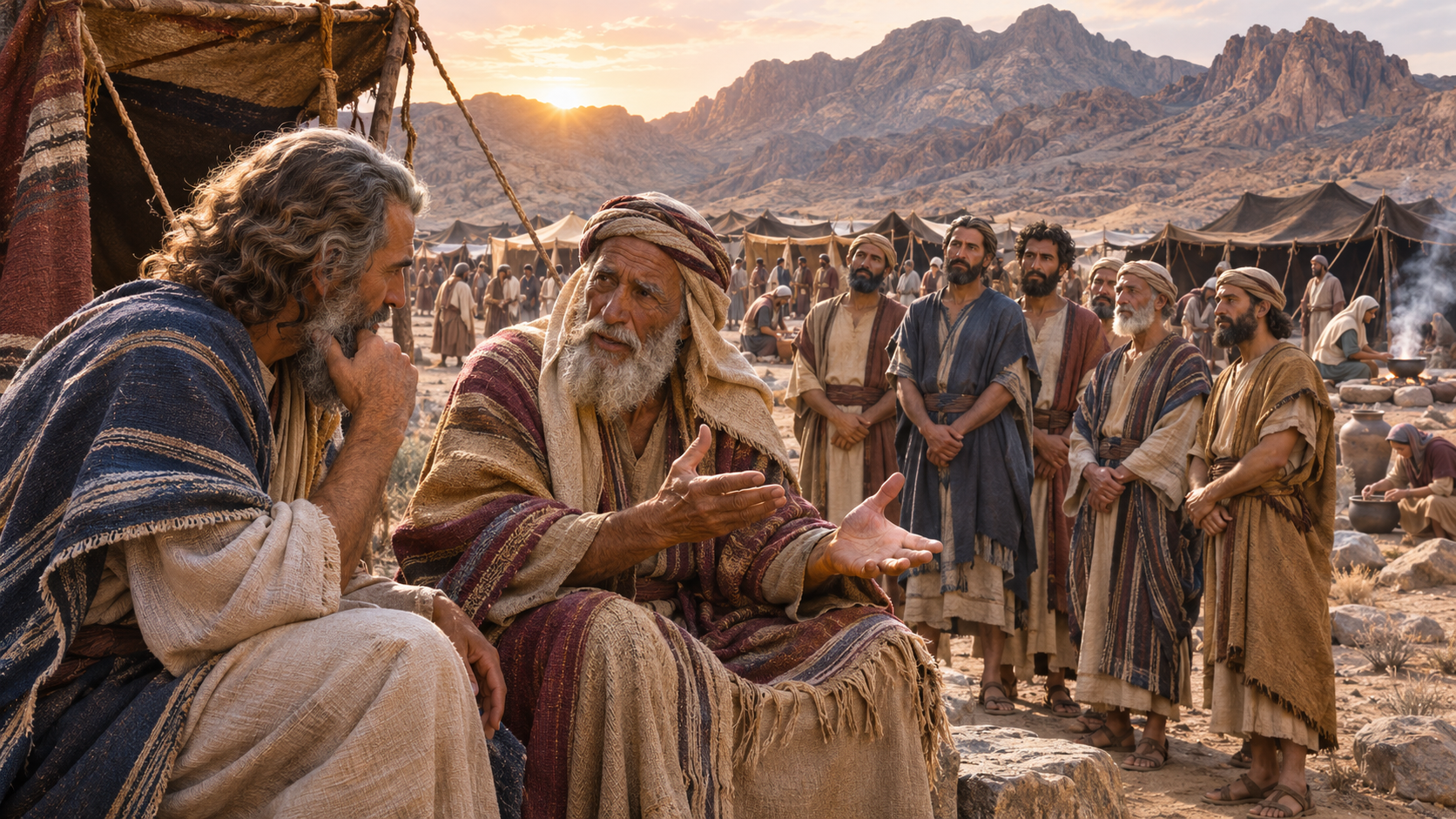
Leadership pressure can convince a man that keeping every decision in his own hands is the responsible choice. He stays late, checks work others could handle, and quietly becomes the only person everyone waits on. Exodus 18:21 offers a better measure of leadership. Jethro tells Moses to look for capable men whose reverence for God, trustworthiness, and freedom from dishonest gain can carry real authority. The lesson reaches beyond finding help. It asks whether we recognize character before charisma, share responsibility without abandoning accountability, and become the kind of men who can be trusted when influence, money, and people are placed in our care.
Scripture Explained
A man can look faithful while control is quietly narrowing the work around him. When every answer comes through one person, the people nearby wait, weaken, or stop growing. Exodus 18 opens with Moses carrying an exhausting load: from morning until evening, the Israelites stand before him to have their disputes judged. Jethro sees what Moses cannot see clearly from inside the work. The arrangement is wearing down both the leader and the community he is trying to serve.
Jethro does not tell Moses to care less or retreat from responsibility. He urges him to teach God’s ways, represent the people before God, and entrust ordinary cases to qualified men. The proposed structure reaches from leaders of thousands down to leaders of tens, which distributes judgment close to the people while keeping difficult matters with Moses. Delegation here is not escape. Ordered responsibility serves more people faithfully without making one man the bottleneck for every need.
The qualifications deserve close attention. Capability matters, but skill stands beside reverence for God, trustworthiness, and a hatred of dishonest gain. In a setting where officials would hear disputes and make decisions affecting families, property, and justice, competence without character could become dangerous. The text does not say these men were flawless, and it does not provide a modern hiring formula. It does show that authority should be placed with men whose inner loyalties make corruption costly to their conscience.
Jethro is identified as Moses’ father-in-law and a priest of Midian. Exodus places his visit after Israel’s deliverance from Egypt and before the nation gathers at Sinai in chapter 19, though interpreters differ about whether every event is arranged in strict chronological order. The literary setting is clear enough: a newly freed people need wise structures, and Moses needs humility to receive counsel. God’s work is not strengthened by a leader pretending he has no limits.
Think About This
Many men are rewarded for being the person who can fix anything. That reputation can quietly become a place to hide. If no one else is trained, trusted, or allowed to make a meaningful decision, our usefulness may be protecting pride more than serving people. The question is not only whether the work gets done. Faithful leadership also helps others become steady, responsible, and prepared to carry what God has given them.
The other side of the lesson is just as personal: would someone describe you as trustworthy when money, confidential information, or another person’s future is involved? Private shortcuts eventually reach public leadership. Bending the truth on an expense report or favoring friends when fairness costs something rehearses the heart for larger compromise. Godly influence grows from habits that may receive no applause but make a man safe to trust.
What Should I Do
Identify one responsibility you are holding too tightly. Choose something substantial enough to help another man grow, not merely a task you dislike. Explain the desired outcome, the limits of his authority, and when you will review the work together. Delegation without clarity creates confusion, while constant interference communicates that trust was never real. Give room for a faithful man to think, act, and learn, then remain available without taking the assignment back at the first imperfection.
Examine the character standards you use when choosing people. Talent, confidence, and speed are easy to notice, but Exodus 18:21 presses deeper. Ask how a man handles truth when it costs him, whether he keeps commitments, how he treats people who cannot advance him, and whether money changes his judgment. When you are the one being considered, invite the same examination. Accountability is not an insult to leadership; it helps protect the people authority is meant to serve.
Receive counsel before exhaustion makes every suggestion sound like criticism. Moses listened to an older man who could see the strain from outside the system. Name one brother, pastor, supervisor, or mature friend who can question the way you carry responsibility. Tell him where the work is becoming unsustainable and ask what you may be refusing to share. Humility may look less impressive than heroic overwork, but it often preserves the man, strengthens the team, and serves the mission longer.
Learn More
Read Exodus 18:13–27 to see how character, structure, teaching, and shared responsibility work together in Jethro’s counsel. Deuteronomy 1:9–18 recalls the appointment of leaders and emphasizes impartial judgment. Acts 6:1–7 shows the early church addressing an overlooked need by choosing reputable, Spirit-filled, wise servants, while 1 Timothy 3:1–13 describes tested character for church leadership. Jesus’ teaching in Mark 10:42–45 keeps every form of Christian authority under the pattern of service rather than self-importance.
J. Oswald Sanders’s Spiritual Leadership: Principles of Excellence for Every Believer examines the cost, responsibility, tests, and character of leadership through Scripture and the lives of Christian leaders. That focus closely matches Exodus 18:21, where authority is entrusted according to ability and proven character, not image alone. Sanders also writes about developing other leaders, making this a useful companion for men who need to share responsibility without lowering the moral weight of the work.




A Prayer for Trustworthy Leadership
Father, form in me the character You value more than appearance. Teach me to fear You, tell the truth, handle money cleanly, and treat every responsibility as a trust received from Your hand.
Give me humility to receive counsel and wisdom to share meaningful work with faithful men. Help me lead without controlling, serve without seeking praise, and become dependable when people, decisions, and influence are placed in my care. Amen.
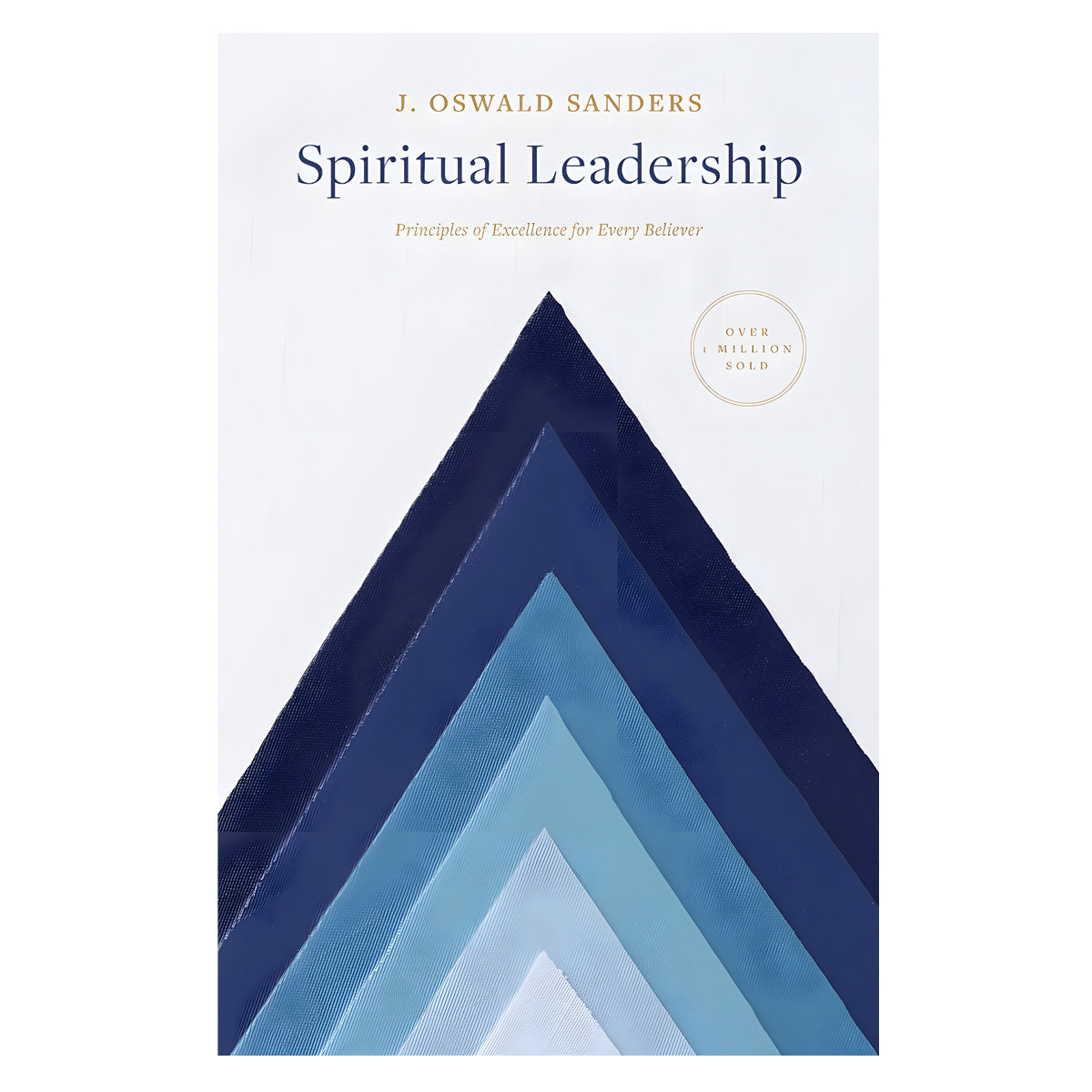
Spiritual Leadership: Principles of Excellence for Every Believer — J. Oswald Sanders (Fourth Edition, New; Paperback; Moody Publishers, 2017)
J. Oswald Sanders explores the cost, responsibility, tests, and character of Christian leadership, along with the work of developing other leaders. Its focus on God-shaped character and shared responsibility directly fits Exodus 18:21, where capable men are chosen because they fear God, can be trusted, and refuse dishonest gain.
0802416705




Copyright Notice
Copyright © 2026 Men Building Faith. All rights reserved.
All content on this website, including text, articles, devotionals, blog posts, graphics, logos, designs, photographs, videos, downloads, and other original materials (collectively, “Content”), is owned by Men Building Faith and is protected by U.S. and international copyright laws.
No part of this site may be copied, reproduced, republished, uploaded, posted, publicly displayed, transmitted, distributed, sold, licensed, or otherwise exploited for any purpose without prior written permission from Men Building Faith, except for brief quotations used for noncommercial purposes with proper attribution and a link back to the original page.
NLT- Scripture quotations marked (NLT) are taken from the Holy Bible, New Living Translation, copyright ©1996, 2004, 2015 by Tyndale House Foundation. Used by permission of Tyndale House Publishers, Carol Stream, Illinois 60188. All rights reserved.
NIV- Scripture quotations taken from The Holy Bible, New International Version® NIV® Copyright © 1973, 1978, 1984, 2011 by Biblica, Inc. Used with permission. All rights reserved worldwide.
AMP- Scripture quotations taken from the Amplified® Bible (AMP), Copyright © 2015 by The Lockman Foundation. Used by permission
NKJV- Scripture taken from the New King James Version®. Copyright © 1982 by Thomas Nelson. Used by permission. All rights reserved
ESV- Scripture quotations are from the ESV® Bible (The Holy Bible, English Standard Version®), copyright © 2001 by Crossway Bibles, a publishing ministry of Good News Publishers. Used by permission. All rights reserved.