
Confused, Uncertain, Pressured, Tempted, Distracted, Seeking Wisdom, Maturing, Watchful, Obedient
Hebrews 5:14 NIV
But solid food is for the mature, who by constant use have trained themselves to distinguish good from evil.
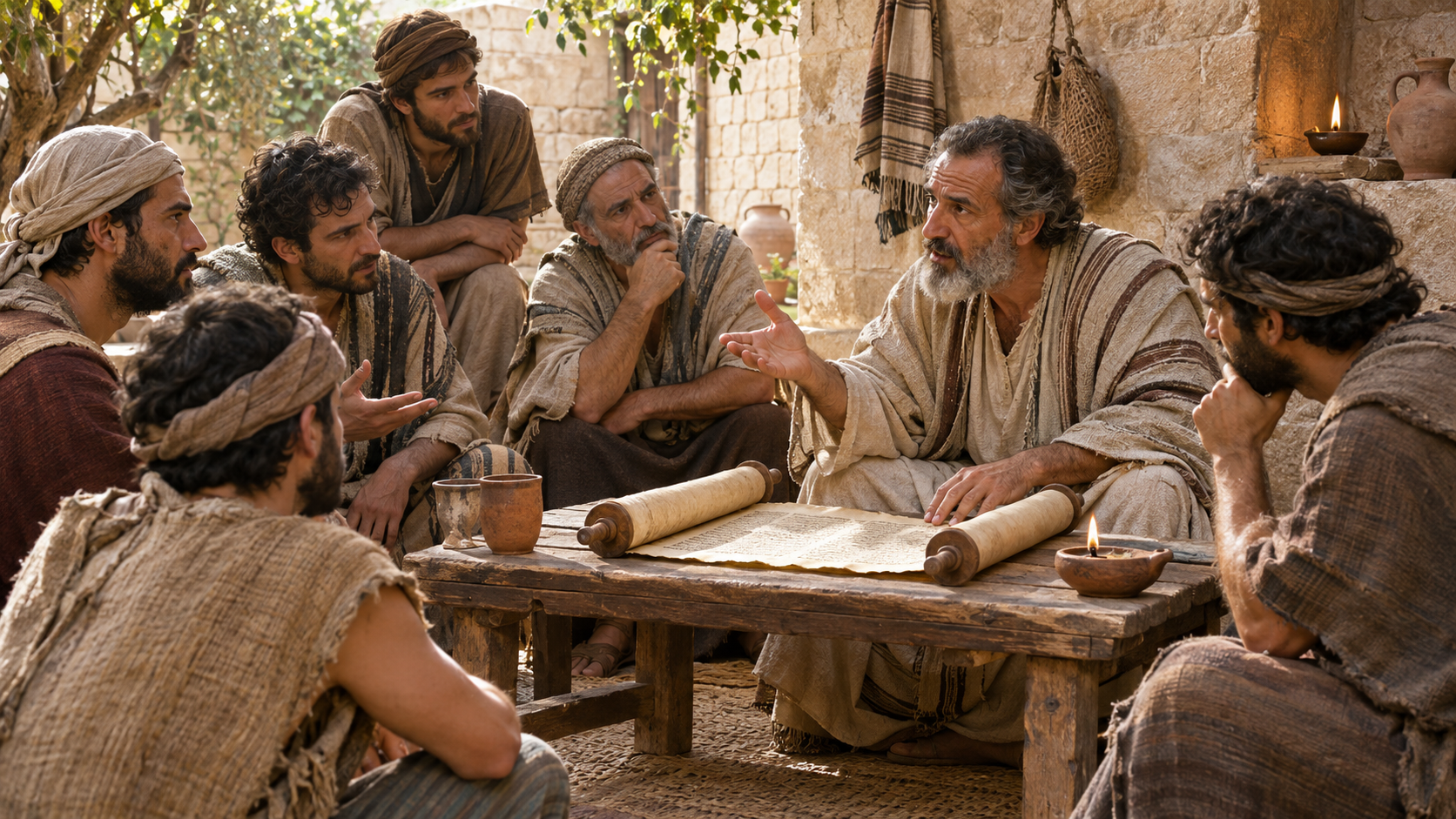
Some choices arrive with enough noise that instinct feels like wisdom. A supervisor wants an answer now, a friend offers confident advice, and your own preferences begin sounding like conviction. Hebrews 5:14 reminds us that discernment is not a personality trait reserved for unusually perceptive men. It grows as truth is used, tested, and obeyed in ordinary life. The mature man is not the one who suspects everyone or never hesitates; he is the one whose judgment has been trained by repeated contact with God’s Word, so he can recognize what is faithful when the pressure is real.
Scripture Explained
Pressure has a way of shrinking a man’s field of vision. In a tense meeting, a strained marriage, or a private temptation, the fastest answer can feel like the clearest one. Hebrews 5:14 speaks to that moment without offering a shortcut. Mature judgment develops through steady use. God’s Word trains a man over time so that truth shapes more than his vocabulary; it reaches the reflexes he depends on when there is little time to think.
The writer has just told his hearers that they have become slow to learn. By now they should be able to teach others, yet they still need the elementary nourishment pictured as milk. Solid food belongs to people who are growing into maturity. The contrast is not between simple Bible verses and obscure theology, nor between new believers and an elite class. It is between truth that remains unpracticed and truth that has been received deeply enough to guide judgment.
The language of training matters. The mature have their powers of discernment exercised through constant use, much as repeated practice develops a reliable skill. Reading is essential, but the writer is describing more than accumulating information. Understanding becomes discernment when a man brings Scripture into decisions, obeys what he sees, accepts correction, and learns from the fruit of faithful or foolish choices. Maturity grows where knowledge and practice remain together.
Hebrews does not identify its human author, exact date, or the full circumstances of its first audience, so those details should not be stated with certainty. The letter clearly addresses believers who knew Israel’s Scriptures and worship, and it repeatedly warns against drifting, dullness, and turning back under pressure. Their situation gives the command weight. They needed more than religious familiarity; they needed practiced judgment that could recognize the better way of Christ when endurance became costly.
Think About This
Many men trust experience because experience feels concrete. Yet years alone do not make judgment sound. A habit can be repeated for decades and still be selfish, fearful, or dishonest. Christian discernment asks a harder question than “What usually works for me?” It asks what agrees with God’s character and revealed will. That question can expose the preference hiding beneath our certainty, especially when money, reputation, desire, or the need to be right is involved.
Discernment is also different from suspicion. A critical man can detect flaws in everyone else while remaining blind to his own motives. Hebrews points toward senses trained for good and evil, not a personality trained to distrust. Healthy discernment is humble enough to listen, patient enough to examine, and courageous enough to obey. It can name error without enjoying the accusation, and it remains open to correction because the goal is faithfulness to Christ rather than the satisfaction of winning an argument.
What Should I Do
Bring one real decision under Scripture this week. Write the choice in a sentence, then read the surrounding passage connected to the principle you are considering rather than collecting isolated verses that support your preference. Ask what the text clearly commands, what wisdom it supplies, and where you may be stretching it beyond what it says. Pray for a willing heart before asking for a certain answer. A man who has already decided what he wants will find it difficult to hear correction.
Invite another mature Christian man into the process, especially when the stakes are high or your emotions are strong. Explain the facts without editing the story to make yourself look wise. Ask him what he sees in Scripture, what motive may be driving you, and who could be affected by the decision. Wise counsel does not replace personal responsibility, but it can uncover blind spots. If no one is allowed to question your conclusion, confidence may have hardened into self-protection.
Practice discernment in the smaller choices that rarely feel spiritual. Tell the whole truth when a partial answer would protect your image. Turn away from entertainment that feeds a weakness you keep excusing. Pause before forwarding a claim that flatters your side. Afterward, review what happened: what did obedience cost, what fruit followed, and what did you learn about your heart? Constant use is built through these ordinary repetitions, and over time they prepare a man for decisions that carry greater weight.
Learn More
Read Hebrews 5:11–6:3 as one argument so the call to maturity remains tied to the warning against sluggishness and the invitation to move forward. Romans 12:1–2 connects a renewed mind with testing God’s will. Philippians 1:9–11 joins love with knowledge and depth of insight, while 1 Thessalonians 5:21–22 tells believers to test everything and hold fast to what is good. James 1:22–25 adds the necessary reminder that hearing without doing leaves a man deceived about his own condition.
Tim Challies’s The Discipline of Spiritual Discernment examines how Christians learn to separate truth from error and right from wrong by understanding and applying God’s Word. That is a close companion to Hebrews 5:14, not a general book added by convenience. For the next seven days, end each evening with one brief review: name a choice you made, the truth that guided it, and any correction you need to receive. Let the pattern become practice rather than another idea you admired and forgot.




A Prayer for Trained Discernment
Father, train my judgment through Your Word. When pressure, preference, or fear makes the easiest answer feel right, slow me down enough to listen. Show me where I have confused confidence with wisdom, and give me a willing heart that obeys what You make clear.
Keep me from both careless compromise and a critical spirit. Use daily choices, honest correction, and the counsel of faithful brothers to deepen my discernment. Help me recognize good, turn from evil, and follow Christ with steady humility when the decision carries a cost. Amen.
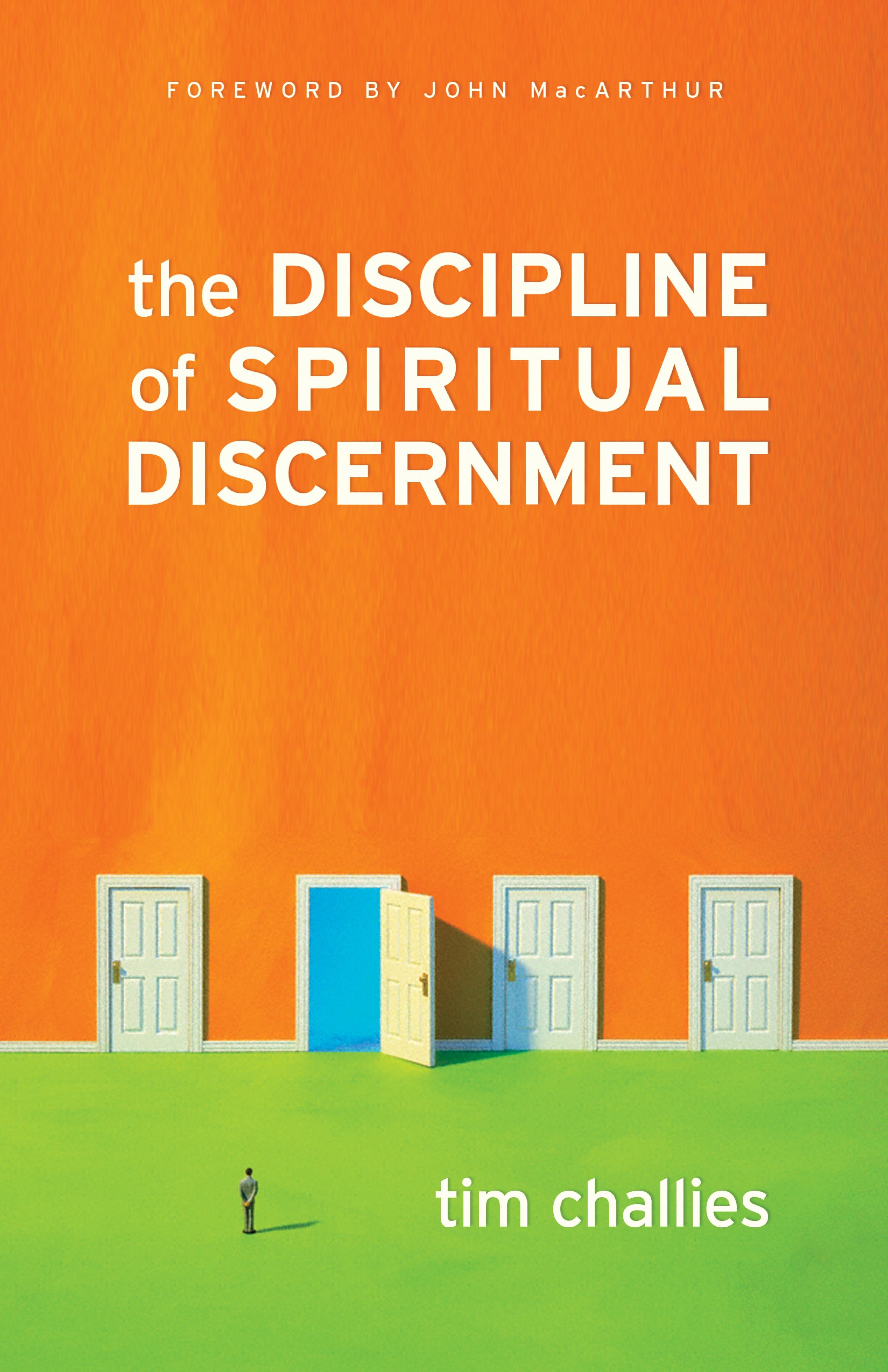
The Discipline of Spiritual Discernment — Tim Challies, foreword by John MacArthur (Paperback, Crossway, 2007)
Tim Challies explains how Christians learn to separate truth from error and right from wrong by understanding and applying God’s Word. That close focus on practiced, biblical judgment directly fits Hebrews 5:14 and its picture of maturity formed through constant use.
1581349092
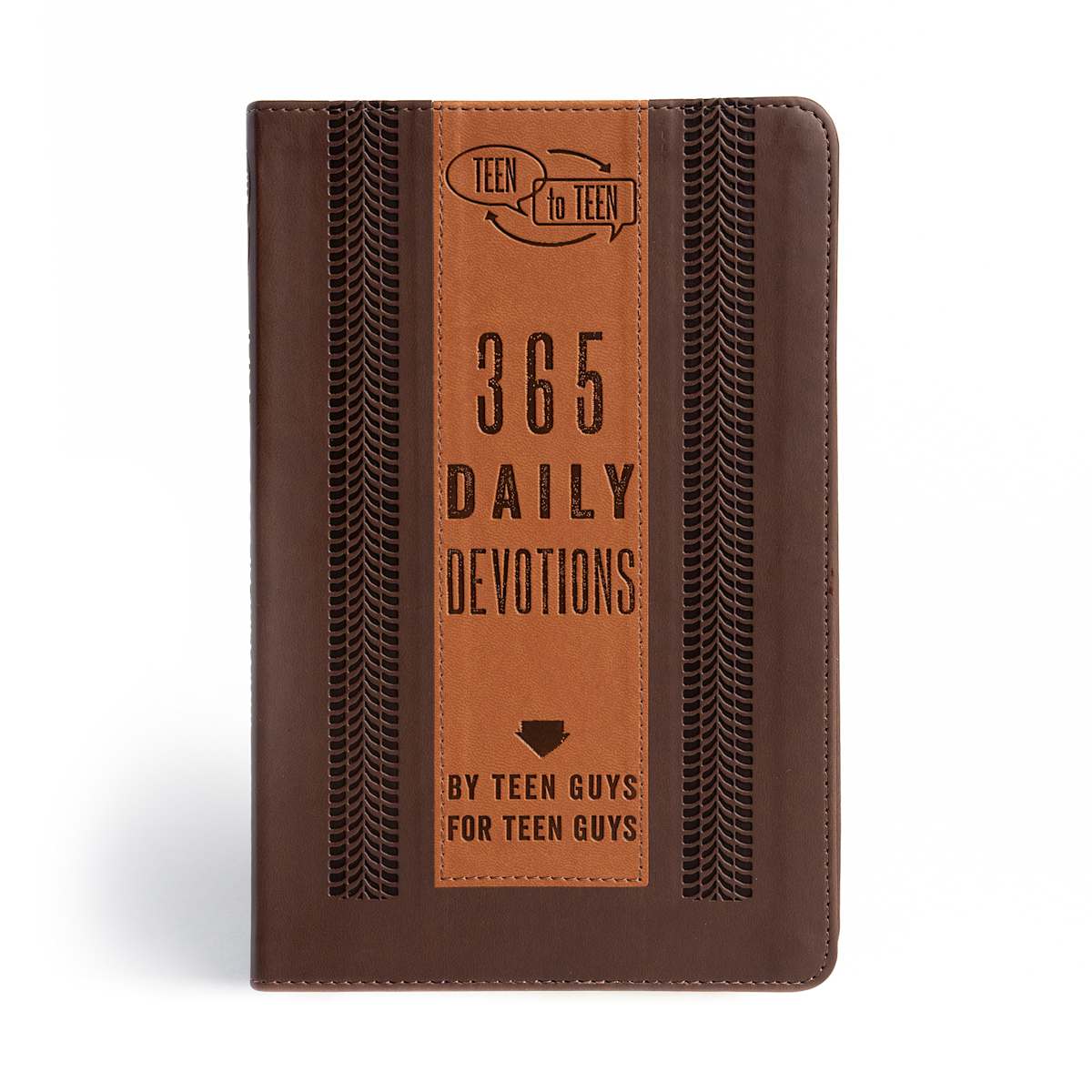
Teen to Teen: 365 Daily Devotions by Teen Guys for Teen Guys
A full year of Scripture-centered devotions written by teen guys for teen guys facing real-life pressures.
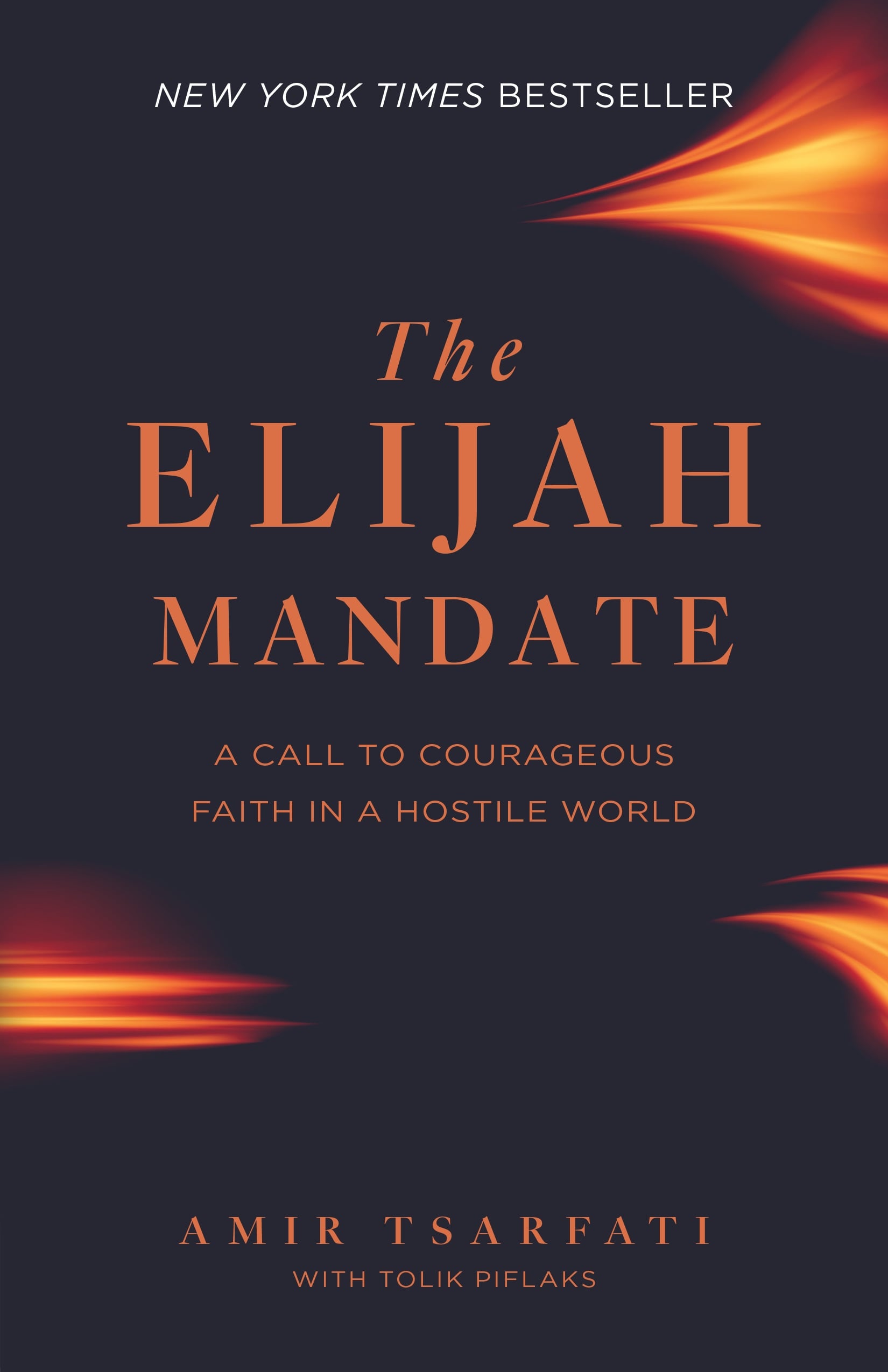
The Elijah Mandate: Biblical Courage from the Prophet Elijah for Standing Firm in a Compromising Culture
A biblical call to stand for truth, endure opposition, and discern God's direction through Elijah's example.
One-Minute Prayers for Young Men: Christian Prayer Devotional for Teen Boys Building Faith, Character, and Daily Prayer Habits
Brief, focused prayers help teen boys and young men build faith, character, purpose, and daily prayer habits.
The Stones Cry Out: Biblical Archaeology, Prophecy, and the Last Days
An evidence-focused tour of archaeological finds that illuminate biblical history and its prophetic claims.
The Jesus Discoveries: 10 Historic Finds That Bring Us Face-to-Face with Jesus
Ten archaeological and manuscript discoveries build an accessible historical case for Jesus and the gospel accounts.
Copyright Notice
Copyright © 2026 Men Building Faith. All rights reserved.
All content on this website, including text, articles, devotionals, blog posts, graphics, logos, designs, photographs, videos, downloads, and other original materials (collectively, “Content”), is owned by Men Building Faith and is protected by U.S. and international copyright laws.
No part of this site may be copied, reproduced, republished, uploaded, posted, publicly displayed, transmitted, distributed, sold, licensed, or otherwise exploited for any purpose without prior written permission from Men Building Faith, except for brief quotations used for noncommercial purposes with proper attribution and a link back to the original page.
NLT- Scripture quotations marked (NLT) are taken from the Holy Bible, New Living Translation, copyright ©1996, 2004, 2015 by Tyndale House Foundation. Used by permission of Tyndale House Publishers, Carol Stream, Illinois 60188. All rights reserved.
NIV- Scripture quotations taken from The Holy Bible, New International Version® NIV® Copyright © 1973, 1978, 1984, 2011 by Biblica, Inc. Used with permission. All rights reserved worldwide.
AMP- Scripture quotations taken from the Amplified® Bible (AMP), Copyright © 2015 by The Lockman Foundation. Used by permission
NKJV- Scripture taken from the New King James Version®. Copyright © 1982 by Thomas Nelson. Used by permission. All rights reserved
ESV- Scripture quotations are from the ESV® Bible (The Holy Bible, English Standard Version®), copyright © 2001 by Crossway Bibles, a publishing ministry of Good News Publishers. Used by permission. All rights reserved.