
Forgiveness, Resentment, Mercy, Relationships
Matthew 18:21–22 KJV
Then came Peter to him, and said, Lord, how oft shall my brother sin against me, and I forgive him? till seven times? Jesus saith unto him, I say not unto thee, Until seven times: but, Until seventy times seven.
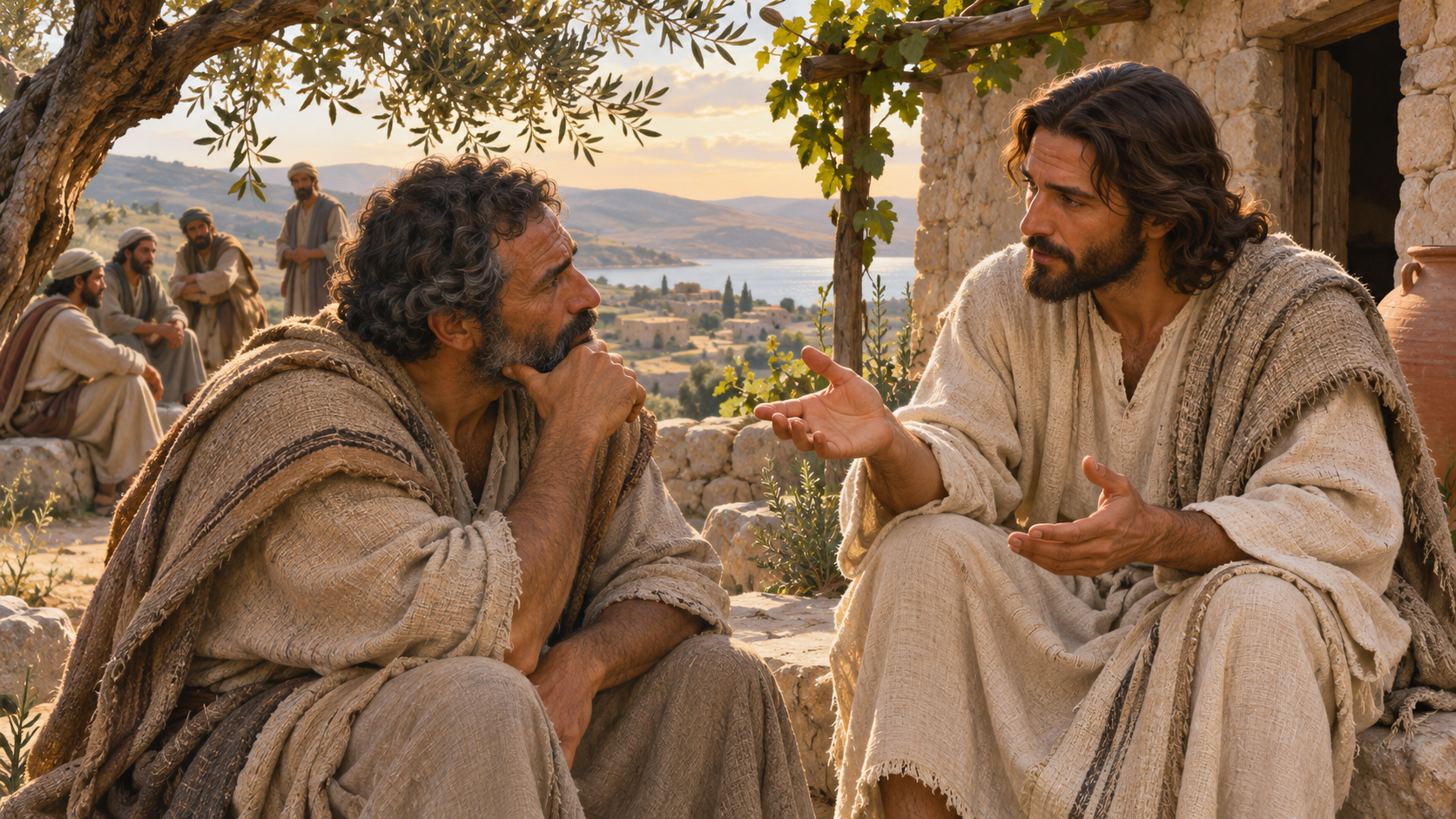
You can be halfway through a workday when an old offense starts playing in your mind again. Perhaps a relative broke another promise, or a coworker’s remark reopened something you had tried to put behind you. Forgiveness becomes harder when you are tired of being the one who absorbs the cost. Peter knew enough to ask Jesus where the limit belonged. His answer invites us to consider what God’s mercy has already done for us, and how that mercy can shape an honest response to someone who has caused real hurt.
Scripture Explained
An old injury can return in the middle of an ordinary day. A familiar tone of voice, an unpaid obligation, or another careless remark brings back everything you thought you had settled. Peter’s question speaks into that weariness. In Matthew 18, Jesus has been teaching his disciples how to live together, including how to address a brother’s sin. Peter then asks how often forgiveness must continue when the same relationship keeps costing him something.
Peter offers seven times, but Jesus answers with seventy times seven in the King James Version. Some translations render the expression seventy-seven times. Either way, Jesus is not giving Peter a larger ledger to maintain. The answer overturns the assumption that mercy has a quota. The chapter then moves directly into a parable about a servant forgiven an enormous debt who refuses mercy to a fellow servant with a much smaller debt.
The contrast in that story explains the command. God’s mercy toward sinners must reshape the mercy they extend to others. Forgiveness does not make wrongdoing harmless, and the parable does not pretend that debts are imaginary. Jesus exposes the contradiction of receiving undeserved compassion while demanding personal revenge. Matthew places this teaching among instructions for the disciples’ shared life; he does not identify the precise day or location of Peter’s question.
Think About This
Keeping score can feel like protecting yourself. You remember who apologized first, who carried more responsibility, and who got away with the last insult. Before long, an argument about today becomes a trial of the entire relationship. A man may keep working, attending church, and providing for his family while privately rehearsing the case against someone. Jesus asks us to examine that inward habit as well as the words we say aloud.
Mercy also needs to be distinguished from restored trust. Earlier in Matthew 18, Jesus describes confronting sin and involving others when necessary. Releasing personal vengeance can therefore exist alongside truthful boundaries, accountability, restitution, and consequences. Forgiveness should never be used to pressure someone into concealing abuse or remaining in danger. Reconciliation involves another person’s response; your willingness to surrender revenge begins with bringing your own wounded heart before God.
What Should I Do
Begin with one actual name and one specific injury. In prayer, describe what happened without exaggerating it or excusing it. Ask where grief has turned into a desire to punish. Perhaps you have been withholding ordinary kindness, recruiting allies through repeated retellings, or waiting for a chance to embarrass the person. Naming that response helps you confess your own sin without taking responsibility for choices that belong to someone else.
If a conversation is appropriate and safe, prepare to speak plainly about the wrong and what needs to change. You might tell a coworker that taking credit for your work damaged trust, or explain to a family member why a repeated promise matters. Listen carefully to the answer. Resist adding every old grievance to strengthen your position. A truthful conversation can seek repair while refusing humiliation, even when the outcome remains uncertain.
When the anger returns, bring the matter to Christ again rather than treating the returning feeling as proof that you have failed. Forgiveness may require repeated prayer and steady choices over time. A trusted pastor or mature Christian friend can help you distinguish patient mercy from avoidance. Where serious harm has occurred, seek appropriate protection and help. For an ordinary strained relationship, choose one concrete act today that refuses retaliation without pretending everything is repaired.
Learn More
Read Matthew 18:15–35 as a whole so that accountability and mercy remain together. The unforgiving servant’s story ends with a searching warning about forgiveness from the heart. Jesus calls for more than polite language covering a settled intention to punish. Ephesians 4:31–32 connects the removal of bitterness with kindness grounded in God’s forgiveness in Christ. Those words help turn attention from the other person’s debt toward the grace you have received.
Romans 12:17–21 addresses revenge and entrusts judgment to God while calling believers to overcome evil with good. Luke 17:3–4 joins rebuke, repentance, and repeated forgiveness. These passages resist both bitter retaliation and careless denial of wrongdoing. Before tonight, write down the next faithful step in the relationship you named. It may be a prayer, a measured conversation, a necessary boundary, or asking for counsel. Take that step while depending on Christ’s mercy.
Consider the relationship you named today. What would it mean to surrender personal revenge while remaining truthful about the harm? Write one sentence about the injury and another about the response you want Christ to change.
If you need counsel before speaking or rebuilding trust, arrange that conversation. Ask a mature Christian to help you pursue mercy, accountability, and safety without confusing them. Return to Matthew 18:15–35 together before deciding your next step.




A Prayer to Forgive Without Keeping Score
Father, you know the wrong I keep replaying and the anger I have carried into other relationships. Thank you for the mercy you have shown me through Jesus. Help me name the hurt truthfully, confess my desire for revenge, and receive the grace I need to forgive.
Give me wisdom to speak with honesty, keep necessary boundaries, and seek help where harm continues. Guard me from using silence or kindness to hide resentment. Teach me to take the next faithful step without demanding that every feeling change at once. In Jesus’ name, amen.
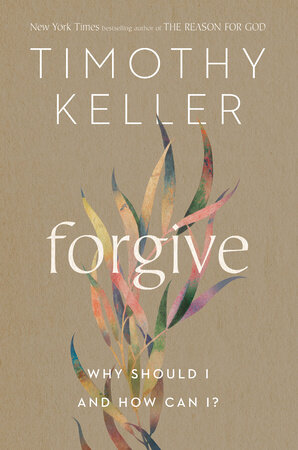
Forgive: Why Should I and How Can I? — Timothy Keller (2022 Viking Hardcover)
Timothy Keller explores why forgiveness matters and how to pursue it without dismissing wrongdoing or abandoning justice. This 2022 Viking hardcover directly supports Jesus’ teaching in Matthew 18:21–22 by helping readers face resentment, receive God’s mercy, and extend forgiveness in difficult relationships.
0525560742



Copyright Notice
Copyright © 2026 Men Building Faith. All rights reserved.
All content on this website, including text, articles, devotionals, blog posts, graphics, logos, designs, photographs, videos, downloads, and other original materials (collectively, “Content”), is owned by Men Building Faith and is protected by U.S. and international copyright laws.
No part of this site may be copied, reproduced, republished, uploaded, posted, publicly displayed, transmitted, distributed, sold, licensed, or otherwise exploited for any purpose without prior written permission from Men Building Faith, except for brief quotations used for noncommercial purposes with proper attribution and a link back to the original page.
NLT- Scripture quotations marked (NLT) are taken from the Holy Bible, New Living Translation, copyright ©1996, 2004, 2015 by Tyndale House Foundation. Used by permission of Tyndale House Publishers, Carol Stream, Illinois 60188. All rights reserved.
NIV- Scripture quotations taken from The Holy Bible, New International Version® NIV® Copyright © 1973, 1978, 1984, 2011 by Biblica, Inc. Used with permission. All rights reserved worldwide.
AMP- Scripture quotations taken from the Amplified® Bible (AMP), Copyright © 2015 by The Lockman Foundation. Used by permission
NKJV- Scripture taken from the New King James Version®. Copyright © 1982 by Thomas Nelson. Used by permission. All rights reserved
ESV- Scripture quotations are from the ESV® Bible (The Holy Bible, English Standard Version®), copyright © 2001 by Crossway Bibles, a publishing ministry of Good News Publishers. Used by permission. All rights reserved.