
Strained, Conflicted, Defensive, Angry, Patient, Humble, Faithful, Responsible
Matthew 5:9 NIV
Blessed are the peacemakers, for they will be called children of God.
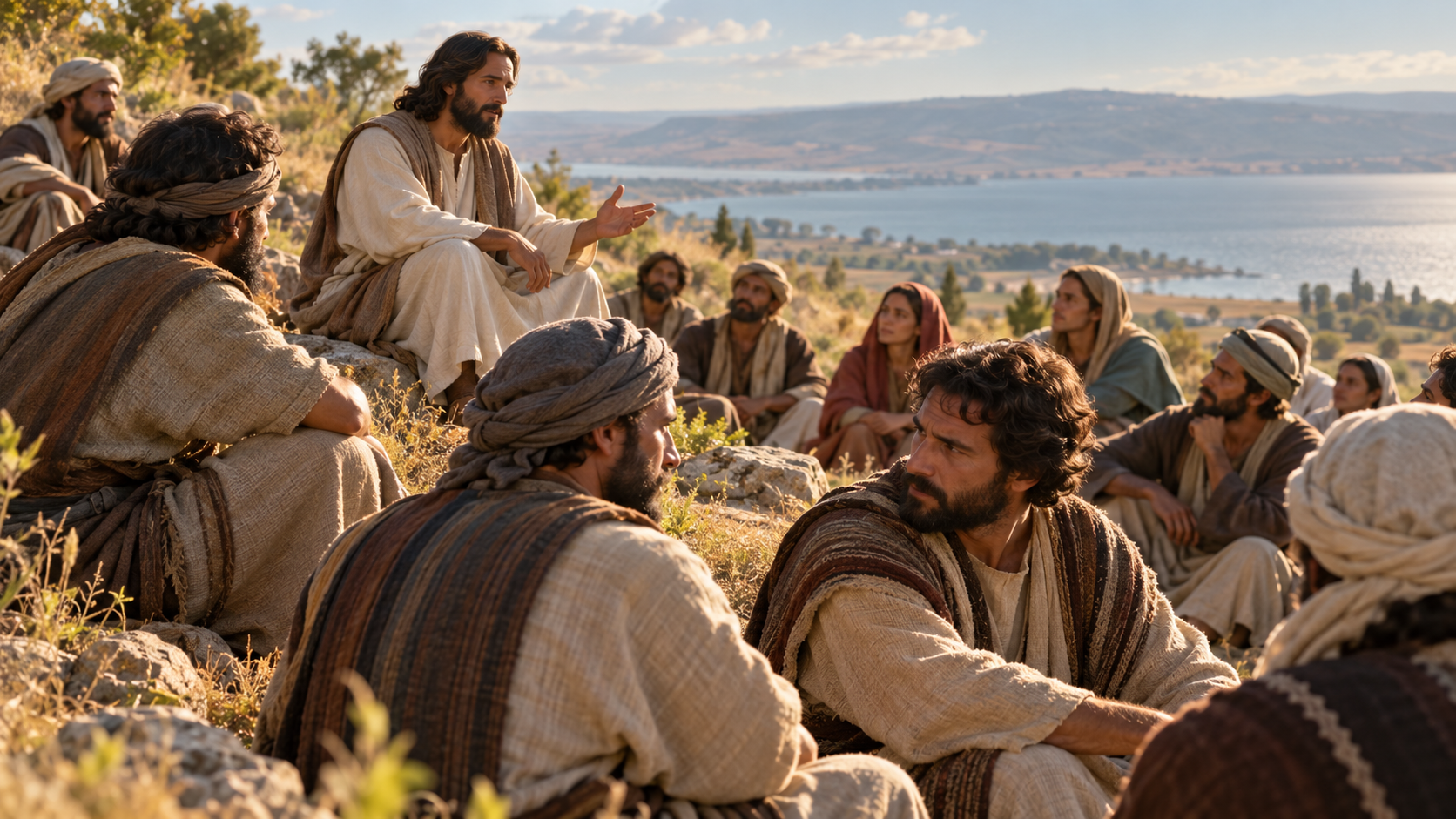
A strained conversation can follow a man home long after everyone has left the room. He replays what was said, prepares a sharper answer, and tells himself that peace depends on the other person changing first. Jesus offers a different way. Peacemaking does not mean pretending the wound is small or surrendering the truth. It means bringing courage, humility, and patience into the place where trust has begun to break. Matthew 5:9 invites us to consider how men who belong to God handle conflict when pride, fear, and old hurt are all speaking at once.
Scripture Explained
Most men know the moment when a disagreement stops being about the issue and becomes a contest over respect. A voice tightens, an old injury enters the room, and winning begins to matter more than understanding. Jesus speaks into that pressure with a blessing for men who do more than dislike conflict. He honors people who step toward broken relationships and work, patiently and truthfully, to make peace.
Matthew places these words among the Beatitudes near the beginning of the Sermon on the Mount. Jesus was teaching disciples and a larger crowd in Galilee about the character of life under God's reign. His listeners lived beneath Roman power and knew family, religious, and community tensions. Yet Jesus did not praise the person who controls a room by force. He described peacemaking as a family resemblance to God.
A peacemaker is not the same as a peacekeeper who avoids every hard conversation. Biblical peace is more than quiet, and making peace sometimes requires naming wrong, confessing sin, setting a boundary, or seeking help. Jesus does not promise that every effort will produce agreement. He blesses the faithful work of moving conflict toward truth, justice, repentance, forgiveness, and restored fellowship wherever restoration is possible.
The words "called children of God" describe recognition and likeness, not a way to earn adoption. Salvation is God's gift through Christ, not a reward for conflict-management skill. Those reconciled to God through Jesus begin to reflect their Father's reconciling character. Paul later writes that God made peace through Christ and entrusted believers with a ministry of reconciliation, so peacemaking grows from the gospel before it becomes a practice.
Think About This
Conflict often exposes the strategy a man trusts when he feels threatened. Some overpower, some withdraw, some gather allies, and some stay outwardly calm while rehearsing the case against another person. Those habits can protect pride while leaving the relationship untouched. The question is not whether you prefer peace. It is whether the people closest to you experience you as someone who makes honest conversation safer and repentance more believable.
Peacemaking carries a cost because it asks a man to surrender the pleasure of being entirely right. You might still be right about the central issue and wrong in your tone, timing, assumptions, or refusal to listen. Owning your portion does not excuse another person's sin. It clears away what belongs to you, lowers the temperature, and creates room for truth to be heard without turning confession into a bargaining tool.
What Should I Do
Before approaching the other person, bring the conflict before God with names and details. Ask what fear, desire, or wounded pride has been steering your response. Write down the facts you know and separate them from conclusions about motives. If an apology is owed, prepare one without conditions. A clear confession names the action, acknowledges its effect, and asks forgiveness without adding a defense disguised as context.
Choose a time when neither person is rushed, exhausted, or performing for an audience. Speak directly rather than recruiting supporters first. Describe what happened in specific language, then invite the other man to explain what he experienced. Listening does not require agreement with every claim. It communicates enough respect to understand the real dispute, which is often different from the argument both men have been repeating.
Peace does not require staying alone in a dangerous or abusive situation. Jesus' blessing must never be used to pressure someone into silence, immediate trust, or unsafe contact. When threats, coercion, violence, addiction, or serious deception are present, involve wise church leaders, qualified counselors, or civil authorities as appropriate. Forgiveness and reconciliation are related, but restored access also involves truth, repentance, safety, and rebuilt trust.
Look for one conflict where you can take a faithful step today. The step might be a phone call, an apology, a calm request for clarity, or an invitation to meet with a mature mediator. At home, resist bringing workplace sharpness to your family. At work, refuse gossip that turns disagreement into a campaign. In church, protect unity without hiding serious wrong. Peacemaking becomes credible through steady conduct, not a single dramatic conversation.
Learn More
James 3:18 connects peacemaking with a harvest of righteousness, while Romans 12:18 adds the honest limit, "if it is possible, as far as it depends on you." Ephesians 4:1–3 joins unity with humility, patience, and bearing with one another. Matthew 18:15 gives a direct path for addressing personal sin. Together, these texts show that biblical peace is active, truthful, and shaped by both courage and gentleness.
Watch how Jesus handled people who were defensive, ashamed, powerful, or hostile. He neither flattered sin nor treated every disagreement as a contest. His cross is the deepest picture of peace made at personal cost, reconciling sinners to God without denying justice. As you follow him, ask for the strength to enter conflict without becoming ruled by it, and for the humility to leave the outcome with God after you have acted faithfully.




A Prayer to Become a Peacemaker
Father, conflict has a way of exposing my pride, fear, and desire to be understood before I have listened. Guard me from harsh words, quiet resentment, and the urge to win at another person's expense. Remind me that you made peace with me through Christ when I could not repair the distance my sin had created.
Give me courage to tell the truth with gentleness, humility to own my part without excuses, and patience when reconciliation takes time. Show me the next faithful step in the relationship on my heart. Let my conduct reflect your character, and use me to bring honest peace at home, at work, and among your people. Amen.
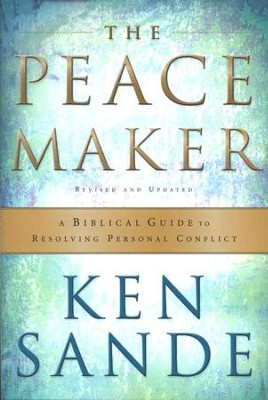
The Peacemaker: A Biblical Guide to Resolving Personal Conflict, Third Edition
Ken Sande offers a practical, gospel-grounded guide to resolving personal conflict through confession, careful conversation, forgiveness, and reconciliation. Because Matthew 5:9 calls believers to make peace rather than merely avoid arguments, this third-edition paperback directly supports the lesson with biblical principles men can apply at home, work, and church.
0801064856
Copyright Notice
Copyright © 2026 Men Building Faith. All rights reserved.
All content on this website, including text, articles, devotionals, blog posts, graphics, logos, designs, photographs, videos, downloads, and other original materials (collectively, “Content”), is owned by Men Building Faith and is protected by U.S. and international copyright laws.
No part of this site may be copied, reproduced, republished, uploaded, posted, publicly displayed, transmitted, distributed, sold, licensed, or otherwise exploited for any purpose without prior written permission from Men Building Faith, except for brief quotations used for noncommercial purposes with proper attribution and a link back to the original page.
NLT- Scripture quotations marked (NLT) are taken from the Holy Bible, New Living Translation, copyright ©1996, 2004, 2015 by Tyndale House Foundation. Used by permission of Tyndale House Publishers, Carol Stream, Illinois 60188. All rights reserved.
NIV- Scripture quotations taken from The Holy Bible, New International Version® NIV® Copyright © 1973, 1978, 1984, 2011 by Biblica, Inc. Used with permission. All rights reserved worldwide.
AMP- Scripture quotations taken from the Amplified® Bible (AMP), Copyright © 2015 by The Lockman Foundation. Used by permission
NKJV- Scripture taken from the New King James Version®. Copyright © 1982 by Thomas Nelson. Used by permission. All rights reserved
ESV- Scripture quotations are from the ESV® Bible (The Holy Bible, English Standard Version®), copyright © 2001 by Crossway Bibles, a publishing ministry of Good News Publishers. Used by permission. All rights reserved.