
Angry, Impatient, Provoked, Frustrated, Misunderstood, Defensive, Reflective, Patient, Self-Controlled, Peacemaking
Proverbs 14:29 NIV
Whoever is patient has great understanding, but one who is quick-tempered displays folly.
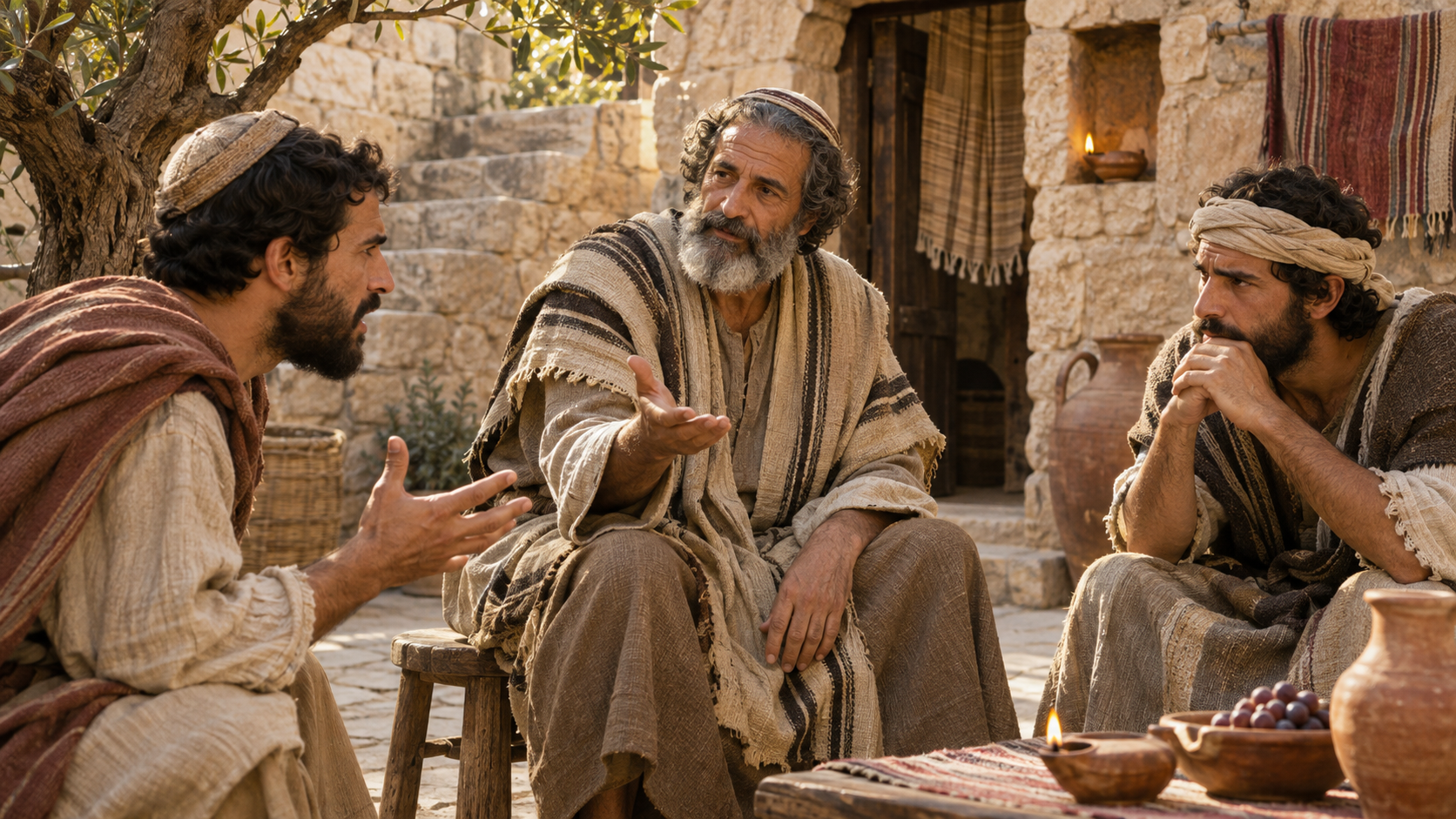
A quick temper often hides behind respectable words: urgency, standards, leadership, getting things done. Yet the damage usually lands close to home, in the meeting where a man stops listening or the kitchen where frustration makes everyone careful around him. Proverbs 14:29 does not ask us to pretend that wrongs do not matter. It shows that patience gives understanding time to work, while a fast reaction puts folly on display. God invites us to slow the moment down, examine what is ruling the heart, and answer with wisdom instead of heat.
Scripture Explained
Pressure can make a fast answer feel like strength. A project slips, a child talks back, a spouse raises a hard concern, or a coworker repeats the same mistake, and the body is ready before wisdom has spoken. Proverbs 14:29 brings that moment into the light. Patience is not weakness or lack of conviction. It is the steadiness that keeps anger from deciding what is true, what must be said, and who deserves to be hurt.
The saying stands in the large collection introduced in Proverbs 10:1 as “the proverbs of Solomon.” Chapters 10 through 22:16 gather short observations that train God’s people to recognize wisdom and folly in ordinary life. Many use contrast, placing two paths beside one another so the reader can see where each leads. Proverbs 14:29 follows that pattern: patient understanding is set against a quick temper that exposes folly rather than concealing it.
Israel’s wisdom instruction shaped homes, courts, trade, and disputes in close communities where words could heal or divide. The book’s final form came through collection and preservation over time, and Scripture does not identify the occasion behind this individual proverb. We should therefore avoid inventing a scene. Its setting is the repeated pressure of daily decisions before God, where character becomes visible through speech and restraint.
The Hebrew expression behind patience is often rendered “slow to anger,” an image of not flaring quickly. Great understanding does not mean that a patient man knows everything; it means he gives himself room to perceive more than the first offense. A quick temper “displays” folly because it makes inward disorder public. The proverb does not forbid all anger or command silence in the face of evil. It warns against speed, self-rule, and the confidence that heat has already understood the whole matter.
Think About This
Anger often tells a man that the problem is entirely outside him. Someone else was careless, disrespectful, dishonest, or slow, and perhaps that judgment is partly right. The deeper question is what happens when a good desire becomes a demand. Wanting order, respect, or justice can turn into a claim that everyone must respond on our timetable. The issue is also whether the heart will remain under God’s authority while addressing what went wrong.
Some men explode, while others punish with silence, sarcasm, cold efficiency, or a long memory. Both reactions can be quick-tempered even when only one raises its voice. Patience asks enough questions to learn what happened, remembers its own need for mercy, and chooses words that serve truth rather than pride. It does not make a man passive. It makes him harder to control through provocation because he is no longer handing the next decision to adrenaline.
What Should I Do
Notice your earliest signals before anger becomes speech. Tight shoulders, a faster voice, rehearsed accusations, and the urge to interrupt are useful warnings. When they appear, slow the exchange without abandoning it. Say that you want to understand and need a few minutes to respond well. Breathe, pray briefly, and return at a definite time. A pause becomes avoidance when a man never comes back; used honestly, it creates room for wisdom and protects the other person from words he cannot retrieve.
In the next difficult conversation, summarize the other person’s concern before defending your own position. Ask one sincere question about what you may have missed. Then name the problem plainly, without exaggeration or contempt. Words such as “always,” “never,” and “everyone knows” usually generate heat rather than clarity. If you sinned in the way you spoke, apologize for the actual wrong without adding a justification. A clean confession can lower the temperature and reopen a conversation that pride has closed.
Bring a repeated anger pattern into the light with a mature Christian brother, pastor, or counselor. Tell him where it appears, whom it affects, and what you believe you are protecting. Invite him to ask about quiet anger as well as obvious outbursts. If anyone is unsafe because of threats or violence, seek immediate protection and qualified help; patience never requires enabling abuse. Accountability cannot replace crisis care, but it can expose habits before they harden and help a man practice a different response.
Learn More
Read Proverbs 14:17, 14:29, 15:1, and 16:32 together to see how wisdom connects temper, speech, and self-control. Ecclesiastes 7:8–9 warns against being quickly provoked, while James 1:19–20 explains that human anger does not produce God’s righteousness. Ephesians 4:26–27 adds an important boundary: anger must not be nursed into sin or given room to rule. These texts do not flatten every conflict; they train us to face wrong without becoming governed by it.
David Powlison’s Good and Angry: Redeeming Anger, Irritation, Complaining, and Bitterness examines why anger feels justified, how it takes loud and quiet forms, and how the gospel redirects it toward patient action. That makes the 2016 New Growth Press paperback a close companion to Proverbs 14:29. Read one chapter with a trusted man, then discuss a moment when anger narrowed your understanding. The aim is not polished calm but a heart learning to pursue what is right without displaying folly through a hurried response.




A Prayer for Patience Under Pressure
Father, you see the moment anger begins to rise before anyone else hears it. Forgive me for treating my first reaction as the whole truth and for using heat, silence, or contempt to protect my pride. Give me patience that listens carefully and understanding that remains under your authority.
When I need to address what is wrong, help me speak with courage and self-control. Guard the people closest to me from careless words, lead me to confess quickly when I fail, and teach me to answer pressure in a way that reflects the wisdom of Christ. Amen.
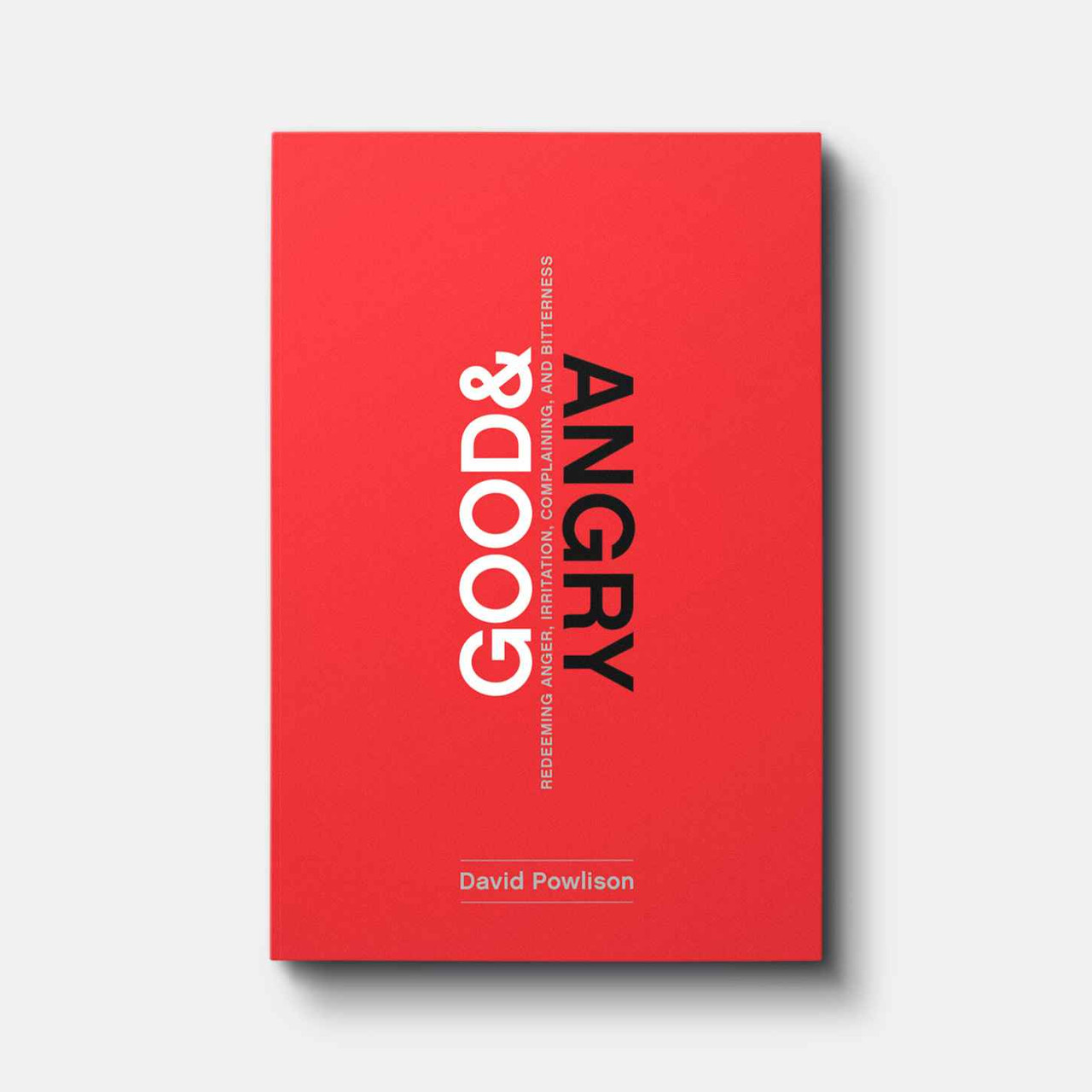
Good and Angry: Redeeming Anger, Irritation, Complaining, and Bitterness — David Powlison (New Growth Press Paperback, 2016)
David Powlison traces anger from its first sense that something is wrong through irritation, complaining, bitterness, and destructive reactions, then shows how the gospel can redirect it toward patient, redemptive action. That focus makes this 2016 paperback an unusually close companion to Proverbs 14:29 and its warning about a quick temper.
1942572972





Copyright Notice
Copyright © 2026 Men Building Faith. All rights reserved.
All content on this website, including text, articles, devotionals, blog posts, graphics, logos, designs, photographs, videos, downloads, and other original materials (collectively, “Content”), is owned by Men Building Faith and is protected by U.S. and international copyright laws.
No part of this site may be copied, reproduced, republished, uploaded, posted, publicly displayed, transmitted, distributed, sold, licensed, or otherwise exploited for any purpose without prior written permission from Men Building Faith, except for brief quotations used for noncommercial purposes with proper attribution and a link back to the original page.
NLT- Scripture quotations marked (NLT) are taken from the Holy Bible, New Living Translation, copyright ©1996, 2004, 2015 by Tyndale House Foundation. Used by permission of Tyndale House Publishers, Carol Stream, Illinois 60188. All rights reserved.
NIV- Scripture quotations taken from The Holy Bible, New International Version® NIV® Copyright © 1973, 1978, 1984, 2011 by Biblica, Inc. Used with permission. All rights reserved worldwide.
AMP- Scripture quotations taken from the Amplified® Bible (AMP), Copyright © 2015 by The Lockman Foundation. Used by permission
NKJV- Scripture taken from the New King James Version®. Copyright © 1982 by Thomas Nelson. Used by permission. All rights reserved
ESV- Scripture quotations are from the ESV® Bible (The Holy Bible, English Standard Version®), copyright © 2001 by Crossway Bibles, a publishing ministry of Good News Publishers. Used by permission. All rights reserved.