
Gentleness, Anger, Communication, Wisdom

Proverbs 15:1 KJV
A soft answer turneth away wrath: but grievous words stir up anger.
A disagreement can begin with something ordinary: an unfinished job, a late arrival, or a question that sounds more like criticism than concern. You may have a fair point and still watch the conversation unravel because of the way you answer. Proverbs 15:1 asks us to pay attention to that moment before irritation chooses our words for us. Gentleness does not require giving up the truth or pretending that nothing is wrong. It gives us a way to address what matters without making a person’s hurt the price of being heard.
Scripture Explained
You can hear a conversation change before anyone admits that it has become an argument. A sharper reply lands, shoulders tighten, and the next sentence is already forming as a defense. Proverbs 15:1 draws attention to that small but consequential moment. The answer we choose can lower the heat or add to it. Wisdom reaches into the way we speak when we feel challenged, especially when an angry response would come easily.
The proverb places two kinds of speech beside each other: a gentle answer and words that cause pain. Its parallel lines help us see the difference by comparing their effects. Proverbs 15 belongs to the collection introduced in Proverbs 10:1 as the proverbs of Solomon. The chapter moves among related observations about speech, correction, motives, and the fear of the Lord. No specific argument or occasion is identified behind this individual saying.
A soft answer is not necessarily a quiet agreement. A man may need to correct an error, refuse a request, or name wrongdoing without speaking cruelly. The proverb teaches a wise pattern in human relationships, not a promise that gentleness will make every hostile person reasonable. You are responsible for the truth and manner of your answer; you cannot guarantee another person’s response. That distinction matters when anger is persistent, manipulative, or dangerous.
Think About This
The words that sting most are often chosen because we know exactly where they will land. A husband remembers an old failure, a supervisor questions someone’s competence, or a father mocks the attitude he is trying to correct. The original issue can disappear beneath the injury caused by the reply. Before deciding what needs to be said, it helps to ask whether your next sentence serves understanding or simply gives your frustration somewhere to go.
A controlled tone can still carry contempt. Sarcasm, a carefully delivered insult, or a polite dismissal may sound calm while making another person feel small. The wisdom here reaches beyond volume to the purpose of the answer. God’s patience toward us gives us reason to reconsider our own harshness. We can speak firmly while leaving room for someone to answer, and we can acknowledge what is true in a complaint without accepting what is false.
What Should I Do
Consider the conversation you are most likely to find difficult today. It may happen at the kitchen counter, beside a work truck, or in a message thread you have been avoiding. Prepare one honest opening sentence before the pressure rises. Instead of announcing that someone never listens, explain what happened and why it matters. Leave accusations about motives out of your first response unless you have clear grounds and a responsible reason to address them.
When you notice your body preparing for a fight, pause long enough to listen to the whole concern. Ask a question that helps you understand the problem rather than trapping the other person. If you need a break, say when you will return to the discussion and keep that commitment. A pause used to punish through silence will deepen the difficulty. A pause used to regain self-control can make a truthful conversation possible.
If your words have already injured someone, name them plainly and ask forgiveness without blaming the person who heard them. You can apologize for ridicule while still returning later to an unresolved concern. Where threats or abuse are involved, pursue safety and appropriate help rather than trying to manage danger with a better tone. In an ordinary disagreement, choose one response today that protects another person’s dignity while addressing the actual issue.
Learn More
Read Proverbs 15:1–4 and 15:18 together. The surrounding sayings connect wise speech with knowledge, a healing tongue, and patience. Then read James 1:19–20, which joins careful listening with restraint in anger. These passages give you more to consider than a rule about sounding pleasant. They invite you to examine what you are hearing, what you are defending, and whether your response serves the good that God calls you to pursue.
Ephesians 4:29–32 places helpful speech beside the call to put away bitterness and extend kindness grounded in Christ’s forgiveness. Returning to those verses after a hard conversation can reveal both an appropriate boundary and an apology you still owe. Before tonight, review one exchange from the day. Thank God for any restraint he gave you, confess a specific harsh word if needed, and decide how you will seek repair rather than rehearse your defense.




A Prayer for Gentle Words Under Pressure
Father, you know how quickly I defend myself when I feel criticized. Forgive the words I have used to wound, dismiss, or embarrass another person. Help me listen with patience and speak the truth with gentleness, especially in the conversations I would rather avoid.
Give me courage to address what is wrong without contempt, and humility to seek repair when my own words have done harm. Grant wisdom for necessary boundaries and help me depend on your mercy rather than my need to win. In Jesus’ name, amen.
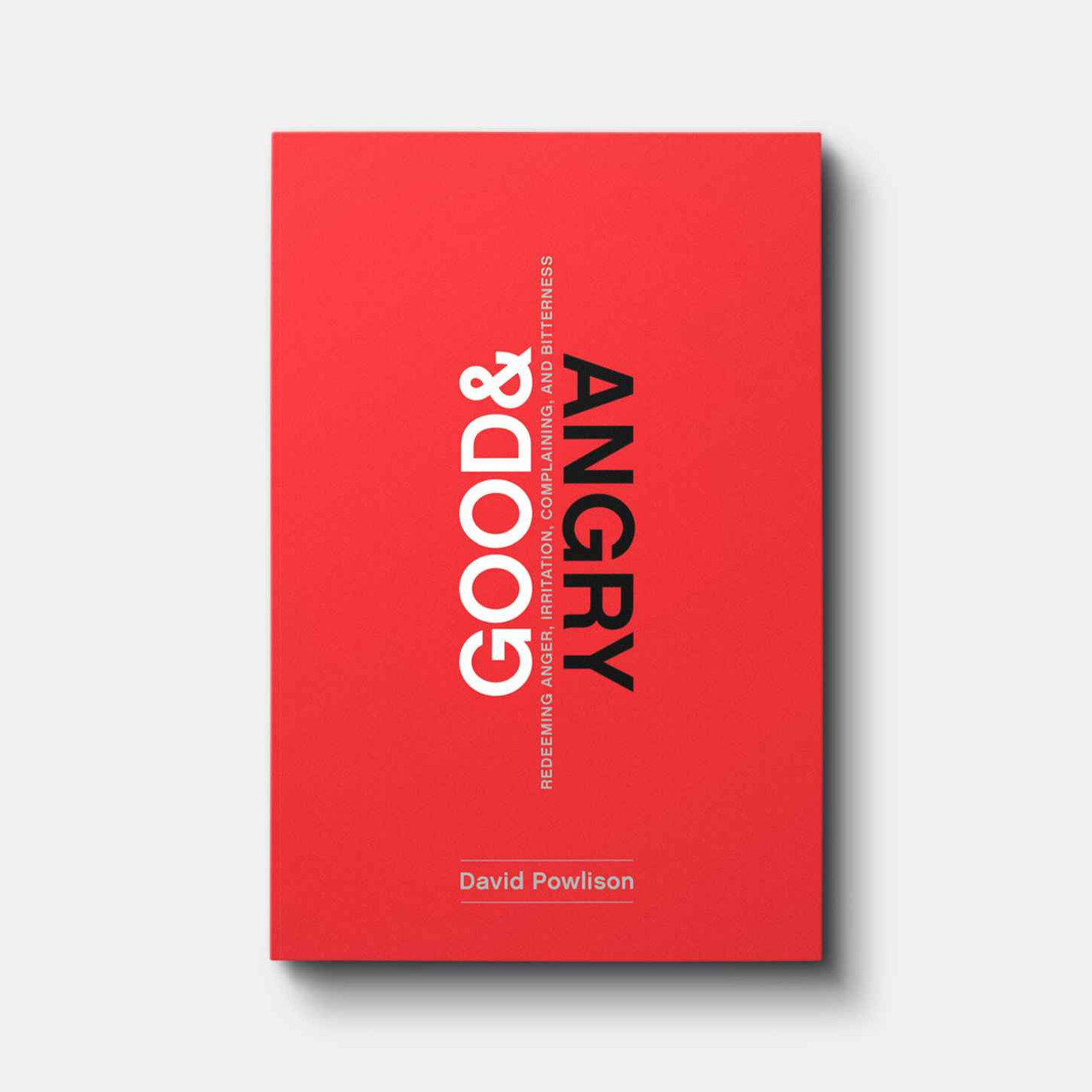
Good and Angry: Redeeming Anger, Irritation, Complaining, and Bitterness — David Powlison (2016 Paperback)
David Powlison examines the roots of anger and shows how the gospel can reshape irritation, complaining, and bitterness into a constructive response to what is wrong. This New Growth Press paperback fits Proverbs 15:1 by helping a man address the heart behind harsh words and learn to respond truthfully without using anger to control or injure another person.
1942572972




Copyright Notice
Copyright © 2026 Men Building Faith. All rights reserved.
All content on this website, including text, articles, devotionals, blog posts, graphics, logos, designs, photographs, videos, downloads, and other original materials (collectively, “Content”), is owned by Men Building Faith and is protected by U.S. and international copyright laws.
No part of this site may be copied, reproduced, republished, uploaded, posted, publicly displayed, transmitted, distributed, sold, licensed, or otherwise exploited for any purpose without prior written permission from Men Building Faith, except for brief quotations used for noncommercial purposes with proper attribution and a link back to the original page.
NLT- Scripture quotations marked (NLT) are taken from the Holy Bible, New Living Translation, copyright ©1996, 2004, 2015 by Tyndale House Foundation. Used by permission of Tyndale House Publishers, Carol Stream, Illinois 60188. All rights reserved.
NIV- Scripture quotations taken from The Holy Bible, New International Version® NIV® Copyright © 1973, 1978, 1984, 2011 by Biblica, Inc. Used with permission. All rights reserved worldwide.
AMP- Scripture quotations taken from the Amplified® Bible (AMP), Copyright © 2015 by The Lockman Foundation. Used by permission
NKJV- Scripture taken from the New King James Version®. Copyright © 1982 by Thomas Nelson. Used by permission. All rights reserved
ESV- Scripture quotations are from the ESV® Bible (The Holy Bible, English Standard Version®), copyright © 2001 by Crossway Bibles, a publishing ministry of Good News Publishers. Used by permission. All rights reserved.