
Angry, Frustrated, Defensive, Pressured, Responsible, Patient, Humble, SelfControl, Steady, Faithful
Proverbs 16:32 NIV
Better a patient person than a warrior, one with self-control than one who takes a city.
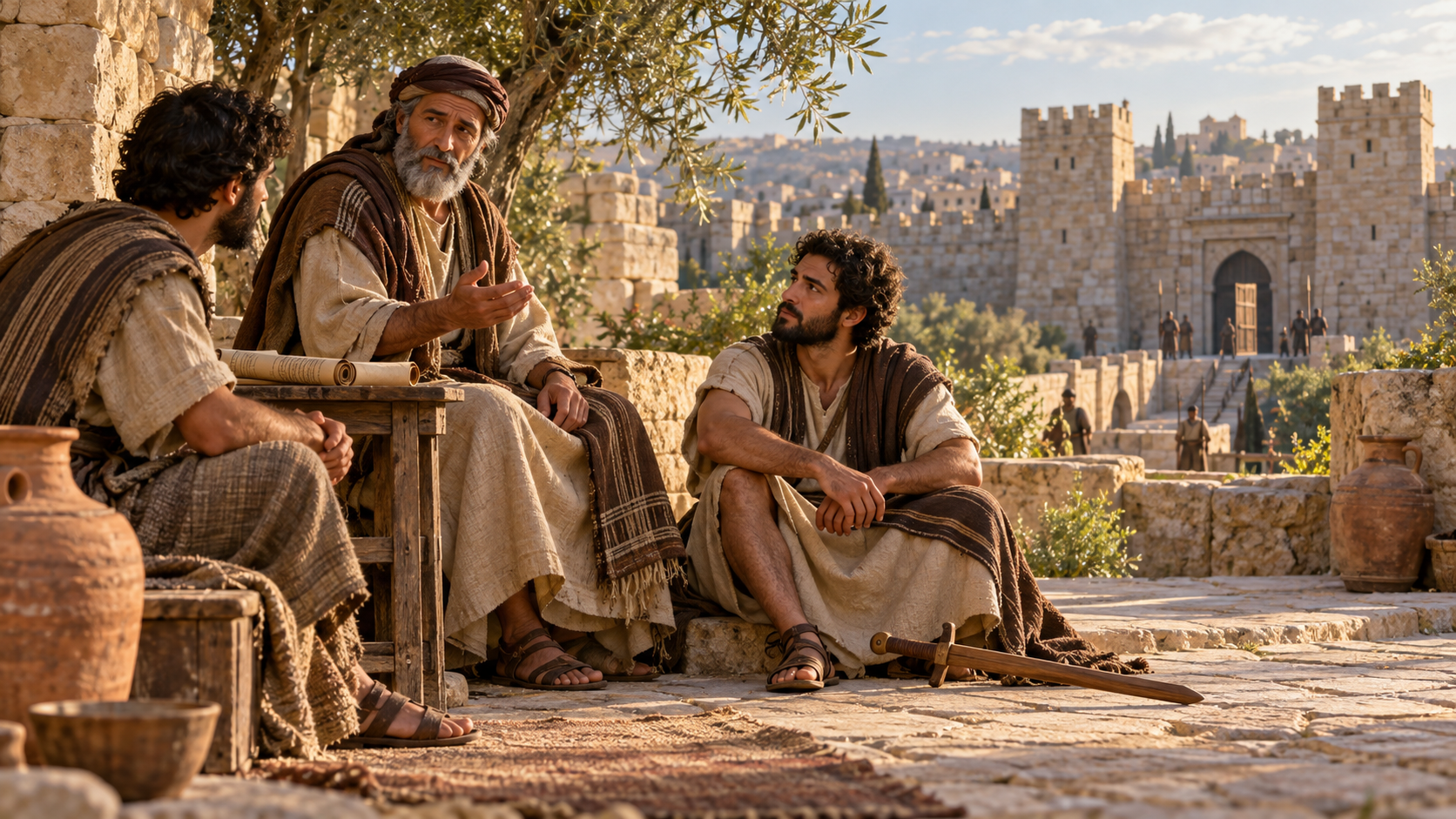
Strength often gets measured by what a man controls outside himself: the crew, the room, the argument, the outcome. Proverbs 16:32 turns the measure inward. A patient man who governs his temper possesses a greater strength than a warrior who captures a city. The comparison reaches into jobsite tension, marriage, parenting, traffic, and every moment when anger promises quick control. God does not call men to become passive or voiceless. He calls us to bring power under wise restraint, listen before reacting, and answer conflict without letting pride take command.
Scripture Explained
Some of a man’s most costly defeats happen in moments when he appears strongest. He has authority, a sharp answer, and enough force to end the argument, yet anger takes control before wisdom speaks. Proverbs 16:32 names a different kind of strength. Patience and self-control outweigh the public glory of a warrior capturing a city because governing the heart requires courage no crowd applauds.
Proverbs gathers wisdom meant to shape ordinary decisions under God’s rule. Chapter 16 places human plans, motives, speech, leadership, pride, and justice before the Lord. Many sayings in this section belong to the Solomonic collection beginning in Proverbs 10, though the book reached its final form through a longer process of collection and preservation. The precise occasion behind Proverbs 16:32 is not identified, so its force rests in the comparison itself rather than a known military event.
Ancient audiences understood the honor attached to a victorious warrior. Taking a fortified city demanded endurance, planning, physical courage, and command over others. The proverb does not mock those abilities. It ranks inner government above outward conquest. A man might direct soldiers, win an argument, or dominate a workplace while remaining ruled by irritation, wounded pride, or the need to control how everyone responds.
Patience does not mean indifference toward wrong. The older wording behind the NIV’s patient person carries the sense of being slow to anger. Such restraint leaves room to see clearly, hear another person, and choose a response fitted to the moment. Self-control also differs from emotional denial. Anger often signals a perceived wrong, but wisdom asks whether the judgment is true, whether pride has enlarged the offense, and what love requires next.
Think About This
Anger often feels useful because it produces immediate energy. A raised voice quiets the room. A hard message puts someone on notice. Silence used as punishment makes another person feel the distance. Those responses offer a brief sense of control, yet they rarely produce repentance, understanding, or lasting respect. At home, the people closest to a man often absorb the frustration he managed to hide from customers, coworkers, or church friends.
Christian self-control is deeper than keeping a calm face while resentment grows underneath. The Spirit forms patience, gentleness, and self-control within a life submitted to Christ. Jesus never confused meekness with weakness. He confronted sin, endured hostility, spoke truth, and refused retaliation. His strength remained under the Father’s direction. A Christian man grows in similar maturity when conviction governs emotion and love governs the use of power.
What Should I Do
Start by learning the early signs of your anger. Notice what happens before the words come: a tightened jaw, faster speech, an urge to interrupt, rehearsed accusations, or the feeling of being disrespected. Name the concern in plain language before God. Ask what good desire has become a demand. Wanting honesty, order, respect, or progress is often legitimate. Trouble begins when getting it becomes more important than honoring Christ and loving the person in front of you.
Prepare a faithful pause before the next pressured conversation. Lower your voice, slow your breathing, and ask one honest question before defending yourself. If clarity is slipping, say you need a brief break and give a specific time for returning to the discussion. A pause should serve wisdom rather than avoidance. When you return, describe the issue without exaggeration, listen for what you missed, and address one concern instead of reopening every past failure.
Repair the damage quickly when anger has crossed into sin. Do not hide behind stress, personality, or another person’s behavior. Name what you did, acknowledge its effect, and ask forgiveness without attaching an excuse. Repeated rage, intimidation, threats, destruction, or fear in the home requires help from mature church leadership and qualified professional counsel. Responsibility includes protecting people from harm while pursuing honest repentance and lasting change.
Learn More
Study Proverbs 14:29, 15:1, 17:27, and 19:11 alongside today’s line. Together they connect patience with understanding, measured speech, and the willingness to overlook an offense wisely. James 1:19–20 adds the call to listen quickly and speak slowly because human anger does not produce God’s righteousness. Ephesians 4:26–32 explains how anger, speech, forgiveness, and kindness belong within the new life Christ gives.
Good and Angry by David Powlison offers a careful biblical examination of irritation, complaining, bitterness, moral judgment, and constructive response. Powlison does more than offer techniques for staying calm. He helps readers examine what anger believes, wants, and serves, then brings those motives before God’s redemptive work. The book fits Proverbs 16:32 closely because it treats self-control as heart-level change expressed through honest, patient, Christlike action.




A Prayer for Patience and Self-Control
Father, You see the anger I excuse, the pressure I carry, and the pride underneath my quickest reactions. Teach me to become slow to anger and willing to listen. Give me enough humility to notice what is happening in my heart before my words wound someone You have called me to love.
Form in me the self-control of Your Spirit. Help me speak truth without cruelty, correct without humiliating, and lead without demanding control. Where I have caused harm, give me courage to confess it and make repair. Let my strength come under Christ’s direction today. Amen.
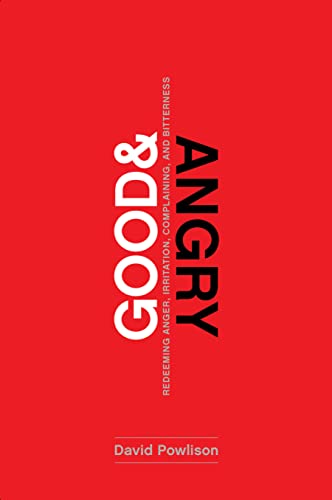
Good and Angry: Redeeming Anger, Irritation, Complaining, and Bitterness by David Powlison (2016 New Growth Press Paperback)
David Powlison examines anger as a moral response to what feels wrong, then traces how irritation, complaining, and bitterness move toward faithful action under God’s grace. The book fits Proverbs 16:32 directly because it addresses the inner work of patience and self-control, along with honest ways to respond when anger rises.
1942572972




Copyright Notice
Copyright © 2026 Men Building Faith. All rights reserved.
All content on this website, including text, articles, devotionals, blog posts, graphics, logos, designs, photographs, videos, downloads, and other original materials (collectively, “Content”), is owned by Men Building Faith and is protected by U.S. and international copyright laws.
No part of this site may be copied, reproduced, republished, uploaded, posted, publicly displayed, transmitted, distributed, sold, licensed, or otherwise exploited for any purpose without prior written permission from Men Building Faith, except for brief quotations used for noncommercial purposes with proper attribution and a link back to the original page.
NLT- Scripture quotations marked (NLT) are taken from the Holy Bible, New Living Translation, copyright ©1996, 2004, 2015 by Tyndale House Foundation. Used by permission of Tyndale House Publishers, Carol Stream, Illinois 60188. All rights reserved.
NIV- Scripture quotations taken from The Holy Bible, New International Version® NIV® Copyright © 1973, 1978, 1984, 2011 by Biblica, Inc. Used with permission. All rights reserved worldwide.
AMP- Scripture quotations taken from the Amplified® Bible (AMP), Copyright © 2015 by The Lockman Foundation. Used by permission
NKJV- Scripture taken from the New King James Version®. Copyright © 1982 by Thomas Nelson. Used by permission. All rights reserved
ESV- Scripture quotations are from the ESV® Bible (The Holy Bible, English Standard Version®), copyright © 2001 by Crossway Bibles, a publishing ministry of Good News Publishers. Used by permission. All rights reserved.