
Focused, Patient, Diligent, Correctable, Skilled, Responsible, Humble, Faithful, Useful, Steady
Proverbs 22:29 NIV
Do you see someone skilled in their work? They will serve before kings; they will not serve before officials of low rank.
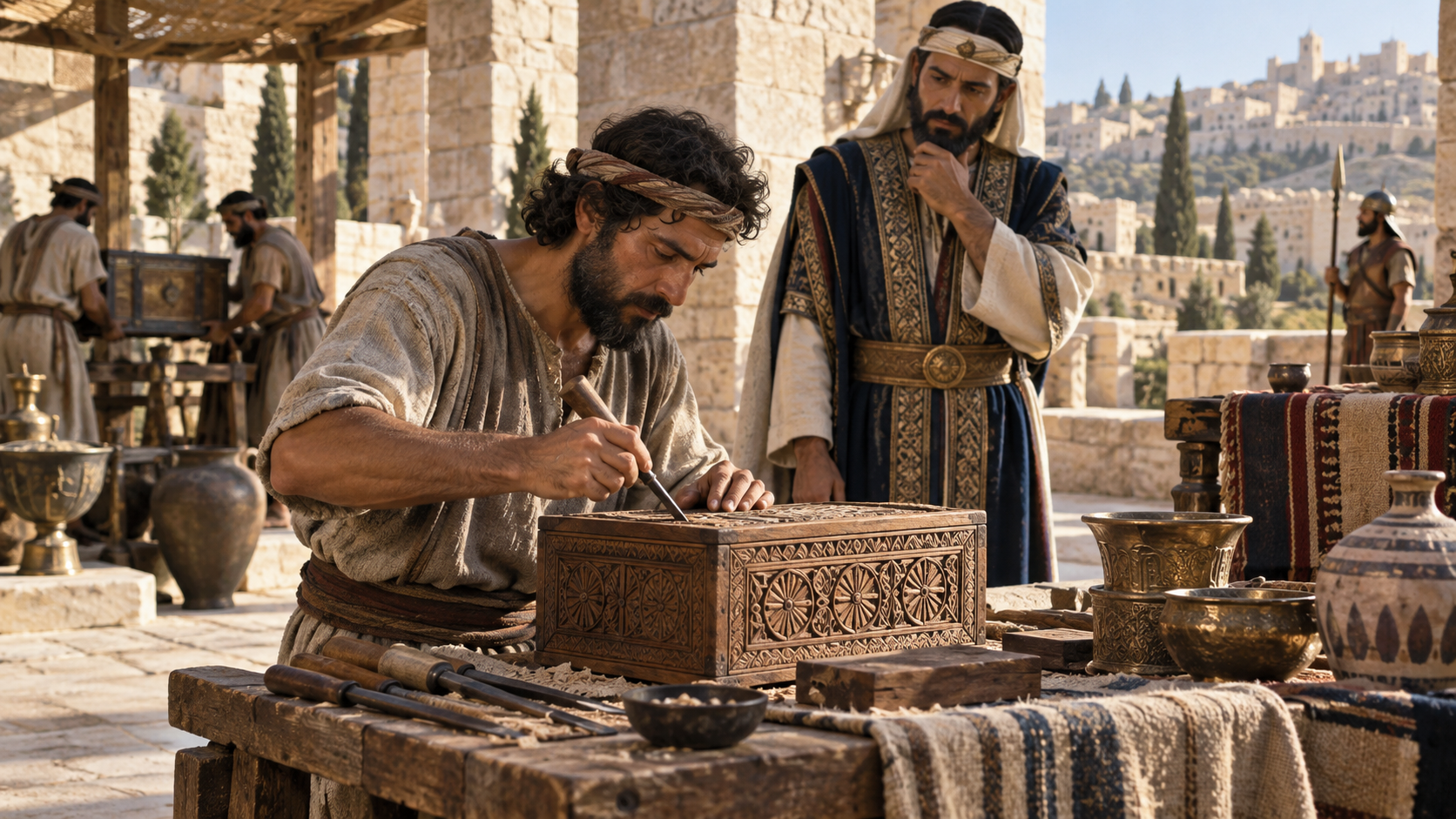
Few things test a man’s patience like doing careful work while nobody seems to notice. It is tempting to rush, blame the schedule, or decide excellence matters only when an important person is watching. Proverbs 22:29 takes a longer view. Skill grows through repeated attention, honest correction, and respect for the people your work will affect. The proverb does not promise every faithful worker a promotion. It does show that disciplined ability carries weight. God cares about how you handle ordinary assignments long before a larger opportunity appears.
Scripture Explained
Work has a way of revealing what a man believes about himself. When the deadline tightens and no supervisor is nearby, he learns whether he is working for applause, money, fear, or the satisfaction of doing something well. Proverbs 22:29 speaks into that quiet part of the day. It notices the person who has become skilled through steady attention and says his work will eventually place him before people with serious responsibility.
Proverbs is wisdom literature. Its sayings describe the patterns God has woven into life, yet they are not mechanical promises that remove every exception. The book was formed from several collections associated with Solomon and other wise teachers. We do not know the exact occasion behind this particular saying. Its royal language fits a world where kings relied on scribes, builders, metalworkers, musicians, soldiers, and administrators whose competence could affect an entire household or nation.
The point is easy to flatten into career advice: improve your skills and powerful people will notice you. The verse reaches deeper. Competence creates usefulness, and usefulness often widens a person’s field of service. A skilled worker may be trusted with demanding assignments because others have learned that his hands, judgment, and word are dependable. Still, the proverb does not guarantee wealth, recognition, or access to a literal ruler. Faithful people sometimes remain unseen, and corrupt systems sometimes reward the wrong men.
Think About This
Many men carry a strong need to prove their worth through work. Praise feels like oxygen, while correction feels like a threat. That pressure can produce long hours without producing better character. It can also turn a good desire for excellence into impatience with coworkers, neglect at home, or quiet resentment when another man receives the opportunity. The proverb praises developed skill, but the rest of Scripture keeps skill under the lordship of God.
Your work matters because people live with its results. A client depends on the promise you made. A family depends on the paycheck and on the man who comes home after earning it. A younger worker learns from what you tolerate. A customer may never know where you took extra care, but he still benefits from it. Christian workmanship takes those people seriously. It refuses both laziness and the pride that treats success as proof of spiritual superiority.
What Should I Do
Choose one part of your work where you have been relying on experience instead of continuing to learn. Ask a competent person to examine it. Invite a direct answer, then resist the urge to explain every weakness. Skill develops when correction becomes useful information instead of a personal insult. If you lead others, model the same posture. Let them see you measure, review, practice, and repair your own mistakes.
Build a standard for work that still applies when the customer, owner, pastor, or family member will never inspect the details. Finish what you agreed to finish. Communicate early when a problem changes the schedule. Refuse shortcuts that create hidden costs for someone else. These choices rarely feel dramatic, yet they form the reputation that Proverbs describes. Dependability grows one kept promise at a time.
Keep ambition in its proper place. It is good to want greater responsibility when you are prepared to carry it, but recognition is not the final measure of faithful labor. Bring your work to God in prayer before you begin. Ask Him for patience, sound judgment, and concern for the people affected by your decisions. Then give full attention to the assignment in front of you, whether it feels important or ordinary.
Learn More
Read Proverbs 22 as a whole and notice how work sits beside instruction about the poor, debt, anger, justice, discipline, and wise relationships. Skill never excuses cruelty or dishonesty. Colossians 3:23–24 also places daily labor before Christ, while Ephesians 2:10 reminds believers that good works flow from God’s prior grace. These passages protect excellence from becoming self-salvation.
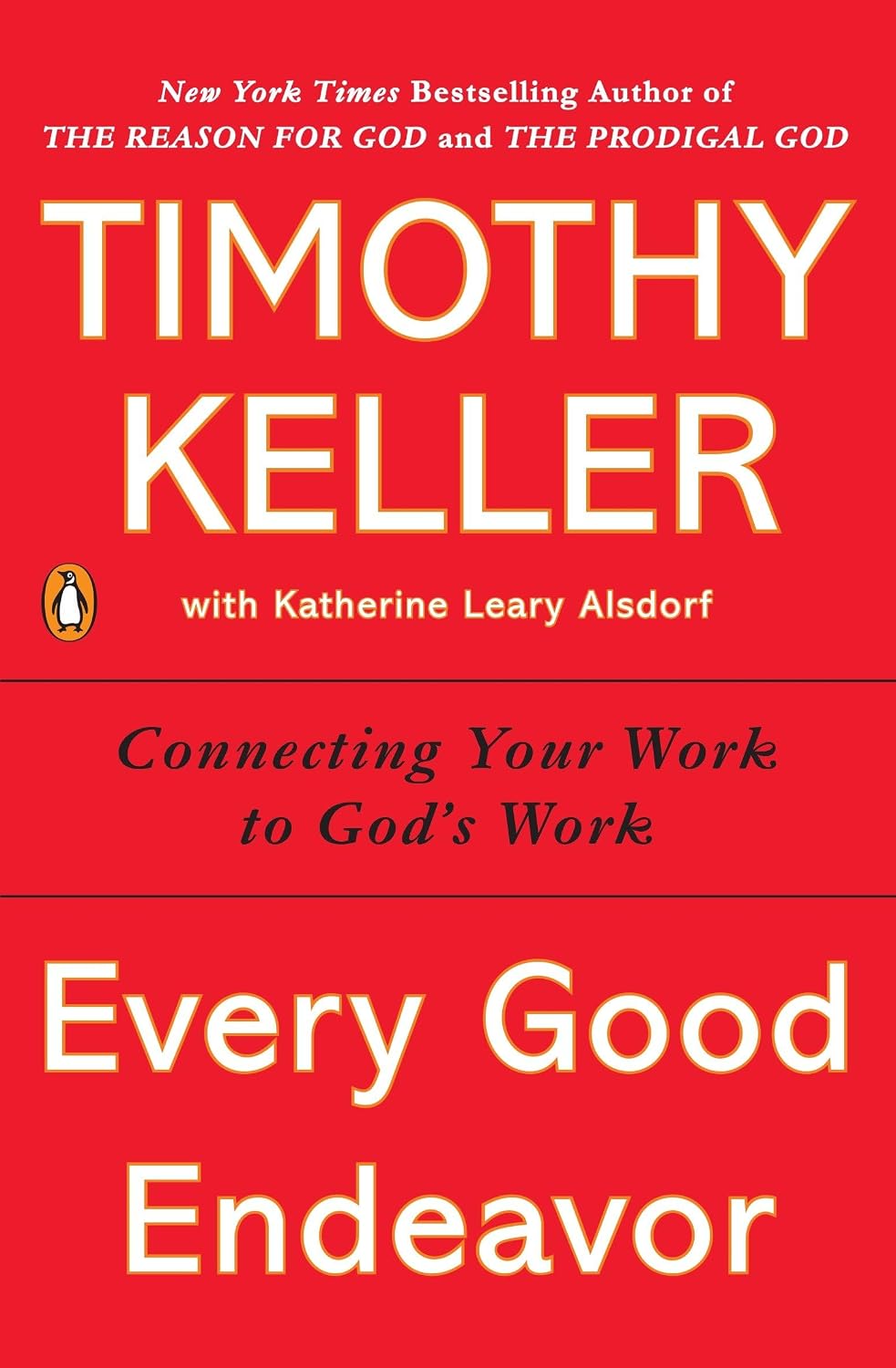
Every Good Endeavor by Timothy Keller with Katherine Leary Alsdorf is a close companion to this lesson. The authors explore work as part of God’s good design, examine how sin distorts our careers, and show how the gospel frees people from making achievement their identity. Read it with one practical question in mind: who is served, protected, or strengthened when I do my work well?



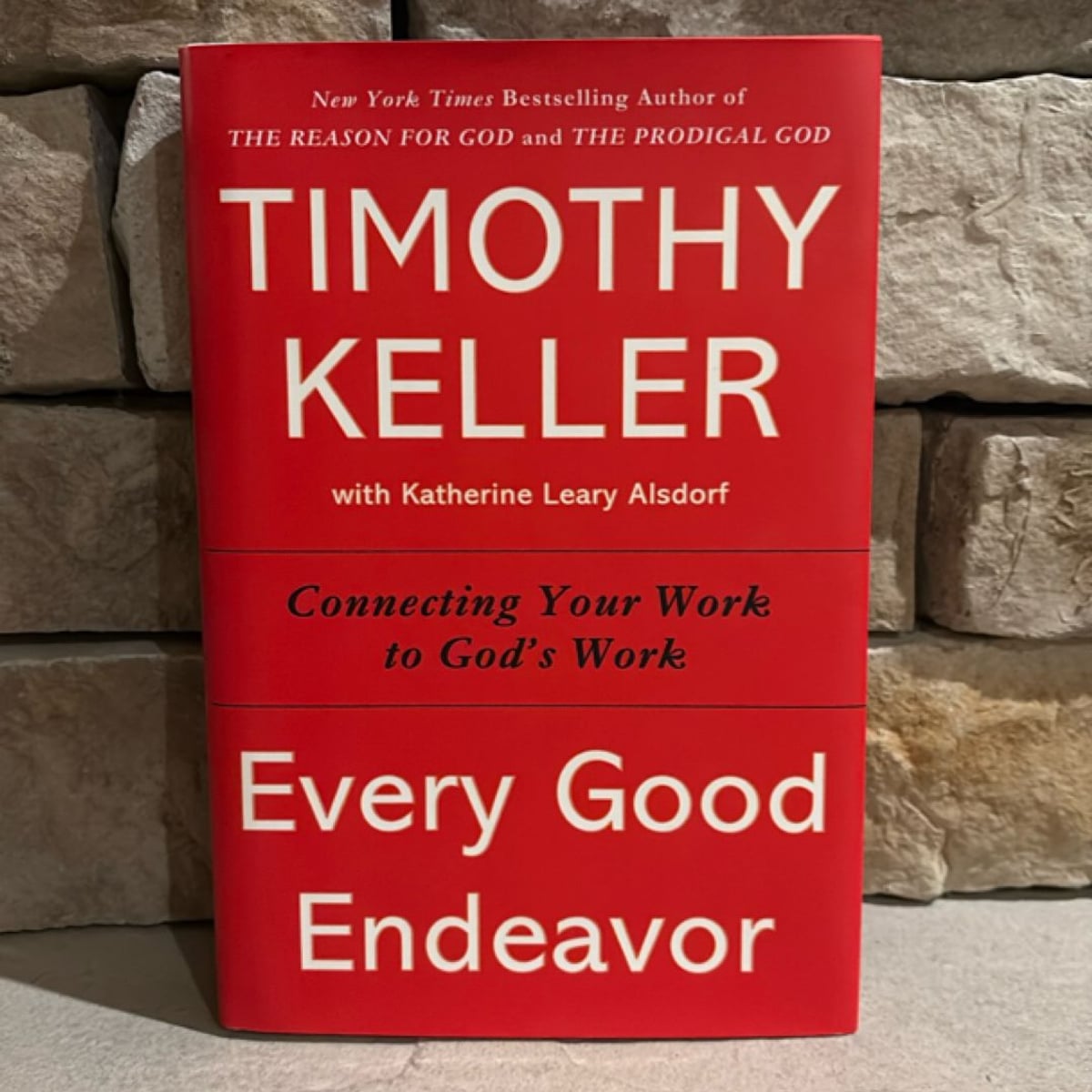
Every Good Endeavor: Connecting Your Work to God's Work
0525952705
Timothy Keller and Katherine Leary Alsdorf explain how the gospel gives ordinary work meaning without turning achievement into an identity. Their treatment of skill, service, ambition, excellence, and vocation fits Proverbs 22:29 closely and helps a man examine both the quality of his work and the reason he wants to succeed.
Make My Work Faithful
A prayer for patient skill, honest work, and ambition kept under God’s direction.
Father, thank You for the work You have placed in front of me and for the abilities I have received through Your kindness and the help of other people. Forgive me when I rush, hide poor work, resist correction, or use achievement to prove my worth. Give me patience to learn, humility to ask questions, and discipline to finish ordinary tasks with care.
Teach me to serve the people who depend on my decisions. Keep ambition from ruling me, and help me accept both recognition and obscurity without losing faithfulness. Make my word dependable, my judgment honest, and my hands useful. Let the quality of my work honor Christ, protect others, and give younger men an example worth following. In Jesus’ name, Amen.




Copyright Notice
Copyright © 2026 Men Building Faith. All rights reserved.
All content on this website, including text, articles, devotionals, blog posts, graphics, logos, designs, photographs, videos, downloads, and other original materials (collectively, “Content”), is owned by Men Building Faith and is protected by U.S. and international copyright laws.
No part of this site may be copied, reproduced, republished, uploaded, posted, publicly displayed, transmitted, distributed, sold, licensed, or otherwise exploited for any purpose without prior written permission from Men Building Faith, except for brief quotations used for noncommercial purposes with proper attribution and a link back to the original page.
NLT- Scripture quotations marked (NLT) are taken from the Holy Bible, New Living Translation, copyright ©1996, 2004, 2015 by Tyndale House Foundation. Used by permission of Tyndale House Publishers, Carol Stream, Illinois 60188. All rights reserved.
NIV- Scripture quotations taken from The Holy Bible, New International Version® NIV® Copyright © 1973, 1978, 1984, 2011 by Biblica, Inc. Used with permission. All rights reserved worldwide.
AMP- Scripture quotations taken from the Amplified® Bible (AMP), Copyright © 2015 by The Lockman Foundation. Used by permission
NKJV- Scripture taken from the New King James Version®. Copyright © 1982 by Thomas Nelson. Used by permission. All rights reserved
ESV- Scripture quotations are from the ESV® Bible (The Holy Bible, English Standard Version®), copyright © 2001 by Crossway Bibles, a publishing ministry of Good News Publishers. Used by permission. All rights reserved.