
Ashamed, Guilty, Exposed, Guarded, Honest, Repentant, Mercy, Free, Accountable, Faithful
Proverbs 28:13 NIV
Whoever conceals their sins does not prosper, but the one who confesses and renounces them finds mercy.
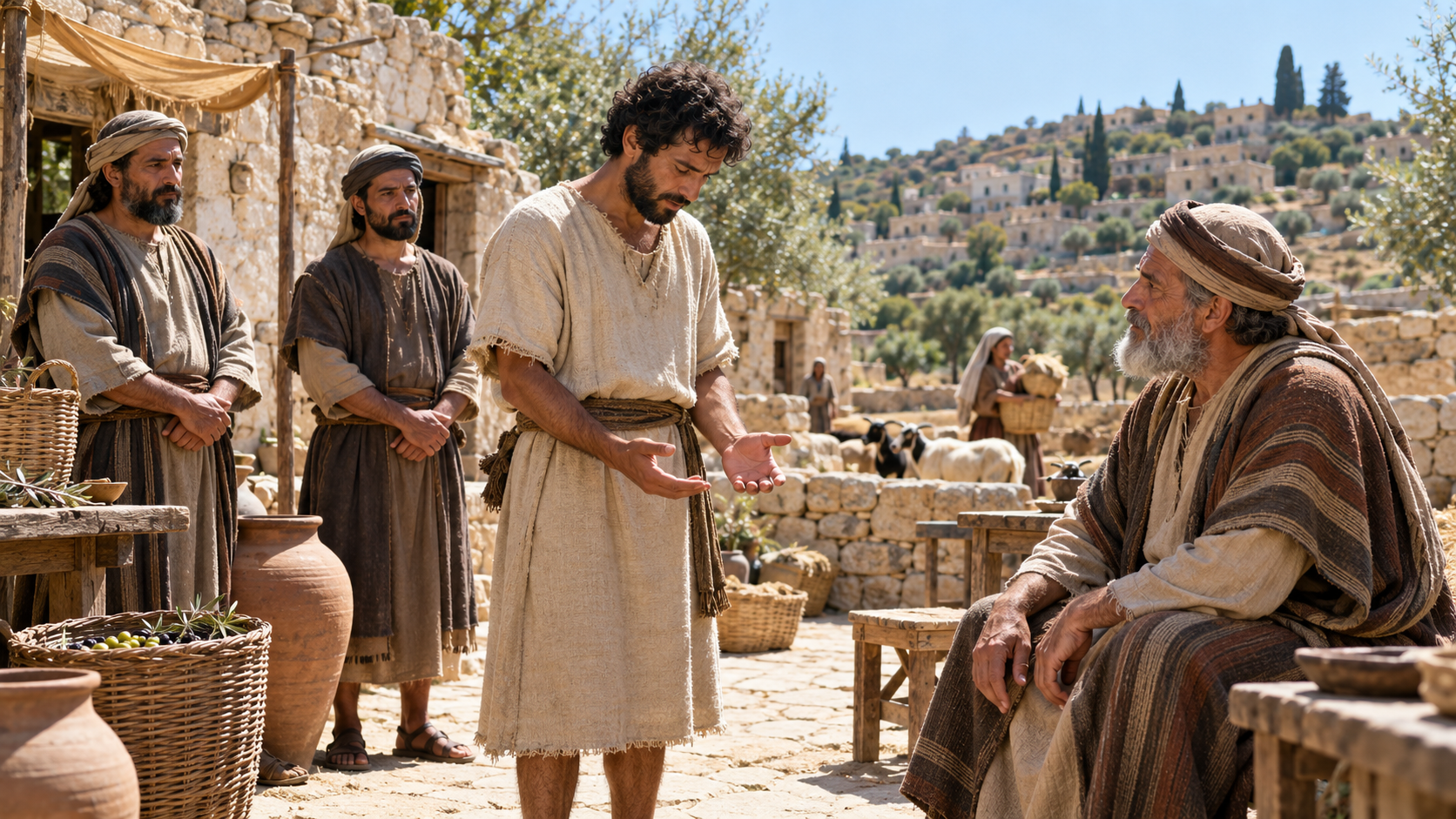
A hidden failure rarely stays in one corner of life. It begins shaping the stories a man tells, the questions he avoids, and the distance he keeps from people who know him well. Proverbs 28:13 offers a harder and more hopeful road: tell the truth, turn from the sin, and receive mercy from God. That movement is not public humiliation or a performance of regret. Freedom begins when a man stops protecting what is harming him and brings his real life under the healing rule of Christ.
Scripture Explained
A concealed failure begins to manage a man’s life. He has to remember what he said, avoid certain questions, and keep trusted people far enough away that they cannot see the whole picture. Proverbs 28:13 names the spiritual cost without softening it: “Whoever conceals their sins does not prosper.” The proverb does not treat secrecy as protection. Hiding sin keeps a man from the honesty, correction, and restored fellowship he needs in order to grow.
Proverbs 28 belongs to a collection that Proverbs 25:1 says was copied by the men of King Hezekiah. That places the collection’s preservation in Judah’s royal setting, although the individual saying’s original date and speaker are not identified. The chapter repeatedly contrasts crookedness with integrity, self-trust with reverence for God, and exploitation with faithfulness. Verse 13 fits that pattern by showing that wisdom is more than avoiding exposure. A wise man agrees with God about his sin and leaves it behind.
The second half gives two connected actions: confession and renunciation. Confession means bringing the truth into the open before God and, where appropriate, before people. Renunciation goes further by rejecting the sin and changing direction. Neither action purchases mercy or erases earthly consequences. Mercy remains God’s gift. The statement that concealed sin does not prosper is also not a promise that honest people will become wealthy or escape every loss. It teaches that a life built around hiding rebellion cannot flourish under God’s wise rule.
Think About This
Secrecy often feels useful because reputation matters. A man may fear losing respect at home, credibility at work, a place of service at church, or the confidence of a close friend. Yet concealment usually demands more concealment. What began as one private compromise grows into evasive answers, defensiveness, and the quiet exhaustion of maintaining two versions of life. The pressure is not only the possibility of being discovered. It is the steady work of keeping truth away from every relationship that could help.
Honest confession requires wisdom, not careless disclosure. Scripture does not require a man to announce every sin to everyone. He should confess to God, speak truthfully with people he has harmed, and seek help from mature believers who can offer prayer and accountability. Serious abuse, danger, or criminal conduct also calls for protection of those at risk and involvement of proper authorities. Privacy can guard dignity. Secrecy becomes destructive when it protects ongoing sin, avoids responsibility, or prevents needed care.
What Should I Do
Begin by naming the sin accurately before God. Avoid the softer label that makes it sound harmless or inevitable. Ask the Lord to search you, as David prayed in Psalm 139:23–24, and write down what happened, whom it affected, and what you have been unwilling to admit. Then receive the promise of 1 John 1:9: forgiveness and cleansing rest on God’s faithfulness and justice, not on your ability to explain yourself well.
Choose one mature, trustworthy Christian man and ask for a private conversation soon. Speak plainly, without blaming stress, marriage, work, loneliness, or another person. If someone has been harmed, ask what truthful confession and restitution should involve, then accept that mercy does not remove every consequence. A good brother will neither excuse the sin nor use it to control you. He will help you face it in the light of Christ and stay near while new obedience takes shape.
Renouncing sin requires more than an emotional promise. Change the conditions that have allowed it to continue. That may involve financial transparency, removing digital access, ending a dishonest relationship, changing a routine, seeking counseling, or inviting regular questions that are difficult to dodge. Put the next thirty days on the calendar and decide when your brother will check in. Repentance becomes visible through concrete choices, while grace keeps those choices from becoming an attempt to punish yourself.
Learn More
Psalm 32:1–5 shows David moving from silence and inner misery to confession and forgiveness. Second Samuel 12 records the painful confrontation behind another moment of confession: Nathan names David’s sin, David stops defending himself, and God’s mercy meets him even while serious consequences remain. Together, those passages keep confession from becoming sentimental. God forgives, but he also tells the truth about what sin destroys and calls his people back to faithful living.
James 5:16 brings confession into the life of Christian community, joining honesty with prayer and healing. Galatians 6:1–2 tells spiritually mature believers to restore someone gently while watching their own hearts, which gives a needed picture of accountable brotherhood. Read those passages with Romans 8:1 and 8:13. In Christ there is no condemnation, and by the Spirit believers put sin to death. Today, name what has been hidden, contact a trustworthy brother, and take one measurable step away from the old pattern.




A Prayer for Honest Confession and Mercy
Father, You already know what I have tried to hide. Give me courage to agree with You about my sin without excuses or self-protection. Thank You that Your mercy is greater than my shame and that Jesus has made a way for me to come into the light.
Lord, help me confess honestly, accept responsibility, and turn away from what has been harming my walk with You and the people around me. Lead me to a trustworthy brother who will pray, speak truth, and walk with me as I pursue new obedience. In Jesus’ name, amen.
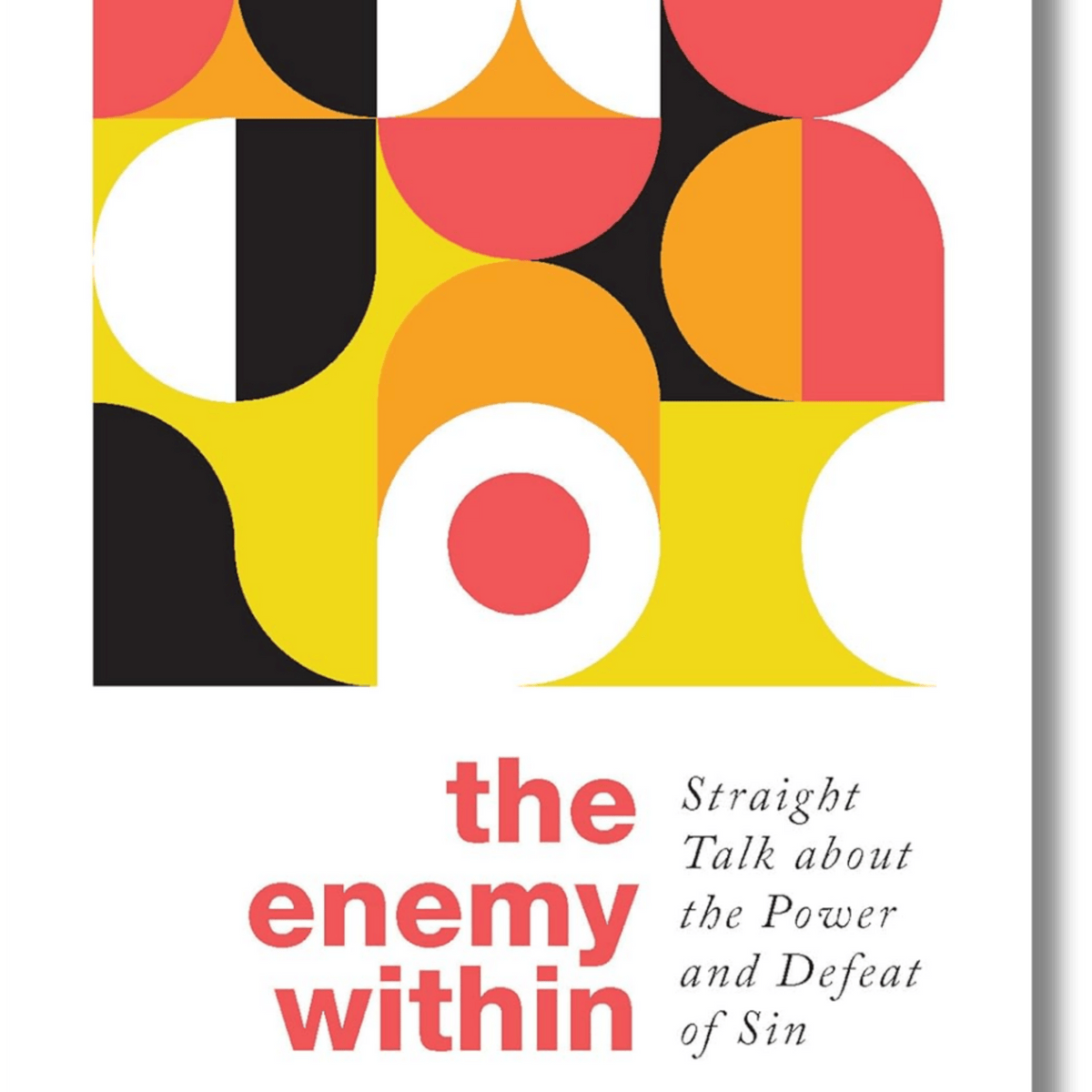
The Enemy Within: Straight Talk about the Power and Defeat of Sin, Revised Edition
Kris Lundgaard brings John Owen’s teaching on indwelling sin into clear, practical language for modern Christians. The revised edition explains how sin hides, deceives, and regains ground, then points readers toward holiness through faith in Christ, honest examination, and support from the church. Its direct focus on exposing and fighting hidden sin makes it a close companion to Proverbs 28:13.
1629959553

Copyright Notice
Copyright © 2026 Men Building Faith. All rights reserved.
All content on this website, including text, articles, devotionals, blog posts, graphics, logos, designs, photographs, videos, downloads, and other original materials (collectively, “Content”), is owned by Men Building Faith and is protected by U.S. and international copyright laws.
No part of this site may be copied, reproduced, republished, uploaded, posted, publicly displayed, transmitted, distributed, sold, licensed, or otherwise exploited for any purpose without prior written permission from Men Building Faith, except for brief quotations used for noncommercial purposes with proper attribution and a link back to the original page.
NLT- Scripture quotations marked (NLT) are taken from the Holy Bible, New Living Translation, copyright ©1996, 2004, 2015 by Tyndale House Foundation. Used by permission of Tyndale House Publishers, Carol Stream, Illinois 60188. All rights reserved.
NIV- Scripture quotations taken from The Holy Bible, New International Version® NIV® Copyright © 1973, 1978, 1984, 2011 by Biblica, Inc. Used with permission. All rights reserved worldwide.
AMP- Scripture quotations taken from the Amplified® Bible (AMP), Copyright © 2015 by The Lockman Foundation. Used by permission
NKJV- Scripture taken from the New King James Version®. Copyright © 1982 by Thomas Nelson. Used by permission. All rights reserved
ESV- Scripture quotations are from the ESV® Bible (The Holy Bible, English Standard Version®), copyright © 2001 by Crossway Bibles, a publishing ministry of Good News Publishers. Used by permission. All rights reserved.