
Trusting, Patient, Steady, Honest, Faithful, Calm, Courageous, Humble, Hopeful, Obedient
Psalm 37:5–6 NIV
Commit your way to the LORD; trust in him and he will do this: He will make your righteous reward shine like the dawn, your vindication like the noonday sun.
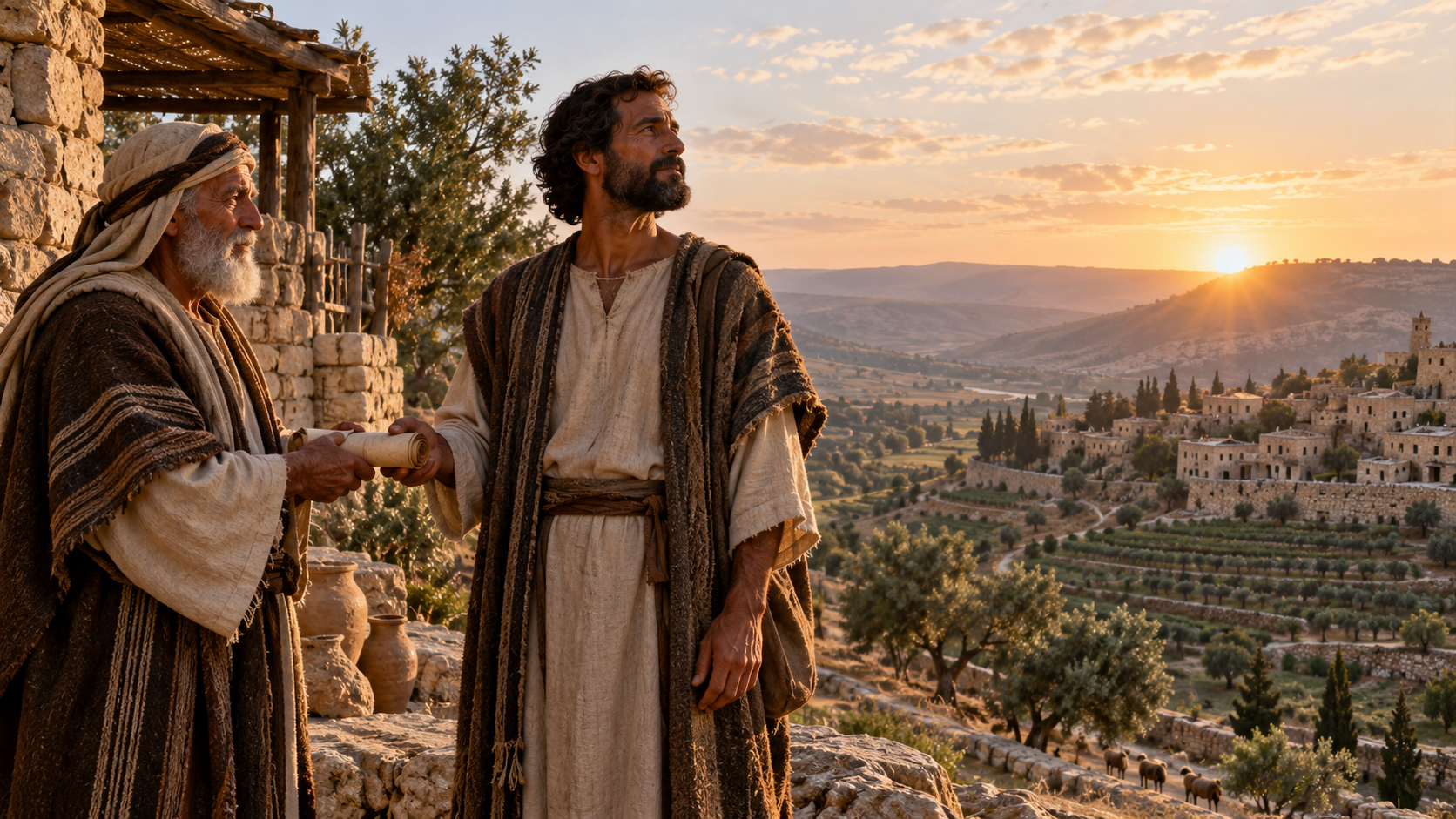
Some decisions are difficult not because the right path is hidden, but because obedience offers no guarantee that anyone will understand or reward it. A man can keep his word, absorb a loss, or refuse a shortcut and still watch someone else get ahead. Psalm 37 speaks to that unsettled place. David does not ask us to stop caring about the outcome. He teaches us to place the whole matter—our work, reputation, timing, and future—into God’s hands while continuing to do what is right. Trust becomes visible in steady obedience long before circumstances make sense.
Scripture Explained
Uncertainty can wear on a man more than hard work. When a decision at the office, a conflict at home, or an accusation threatens something he values, the urge to control the result can become stronger than the desire to remain faithful. Psalm 37:5–6 addresses that pressure directly. David calls a man to place his way before the Lord, trust Him with what follows, and keep walking in the light he already has.
Psalm 37 is a wisdom psalm arranged as an alphabetic poem in Hebrew. Its heading associates it with David, and the speaker later reflects on having grown old, yet the psalm does not identify the incident that prompted it. The concern is clear enough: people who do wrong sometimes appear secure, while those trying to live faithfully wonder whether integrity is costing them too much. David answers that anxiety by comparing the wicked to grass that flourishes briefly and then fades.
The command translated “commit your way” carries the picture of rolling or placing your way upon the Lord. Your “way” is more than one decision. It includes the direction of your life, the work you are doing, the reputation you hope to keep, and the future you cannot arrange. Trust is not added after every human option has been exhausted. It is the posture that allows a man to obey without demanding advance knowledge of how God will settle the matter.
Verses 5–6 are not a blank check for every personal plan. David is not saying that God must make a man successful because he prayed. Within the psalm, righteousness describes a life ordered toward God while surrounding wrongdoers seem to prosper. The promise is that injustice will not have the last word. God may bring the truth into the open during this life, though Scripture also directs our hope toward His final judgment, where every hidden thing will be seen rightly.
Think About This
A threatened reputation can pull a man toward two opposite mistakes. He may explode, answering every criticism as if silence were surrender, or he may withdraw and let bitterness harden in private. Neither response entrusts the outcome to God. David offers another way: remain honest about what hurts, refuse the crooked method that might produce a faster result, and let your conduct stay answerable to the Lord even when someone else controls the conversation.
There is also a quieter form of control that looks like responsibility. You replay the meeting, rehearse tomorrow’s defense, monitor what people are saying, and tell yourself that constant vigilance is the price of protecting your family or future. Wise preparation has its place, but worry cannot carry what belongs to God. Committing your way means accepting a real limit: you can choose truthfulness, courage, and diligence, but you cannot force another person’s response or hurry God’s timing.
What Should I Do
Bring one unresolved matter before God with enough detail to be honest. Name what you fear losing and what result you have been trying to secure. Then divide a page into two simple parts: the actions obedience requires from you and the outcomes only God can govern. That distinction will not remove every concern, but it can expose the places where responsibility has quietly become control.
Complete the next faithful action rather than chasing the whole solution at once. Keep the promise, correct the mistake, make the difficult call, or ask a mature believer for counsel. If another person has been harmed, trust does not excuse passivity; confess what is yours and make restitution where you can. If you have been treated unjustly, use appropriate channels without exaggeration or revenge. Commitment to God gives courage for action because the result no longer rests entirely on your shoulders.
Pay attention to the story you tell while you wait. Do not make yourself the flawless hero and everyone else the enemy. Ask God to reveal pride, fear, or resentment that may be distorting your judgment. A trusted brother can help you see what pressure has hidden. Protect necessary facts, especially in legal or workplace matters, but resist the urge to campaign for approval. Let a steady pattern of truthful conduct become part of your answer.
Learn More
Read Psalm 37 from beginning to end and follow its repeated movement: do not fret, trust the Lord, do good, be still, and wait patiently. Those commands belong together. Waiting is not inactivity, because the faithful person continues to dwell, give, speak wisdom, and take upright steps. Notice also verses 23–24, where a man may stumble without being abandoned. Commitment does not produce a trouble-free life; it places an imperfect life in the hands of a faithful God.
Proverbs 3:5–6 deepens the call to trust God rather than lean on limited understanding. First Peter 2:23 shows Jesus entrusting Himself to the One who judges justly when He was treated shamefully, and Romans 12:19 warns believers not to seize vengeance for themselves. Read those passages beside Psalm 37 and ask one practical question: what would faithful obedience look like today if I stopped treating control of the outcome as my assignment?



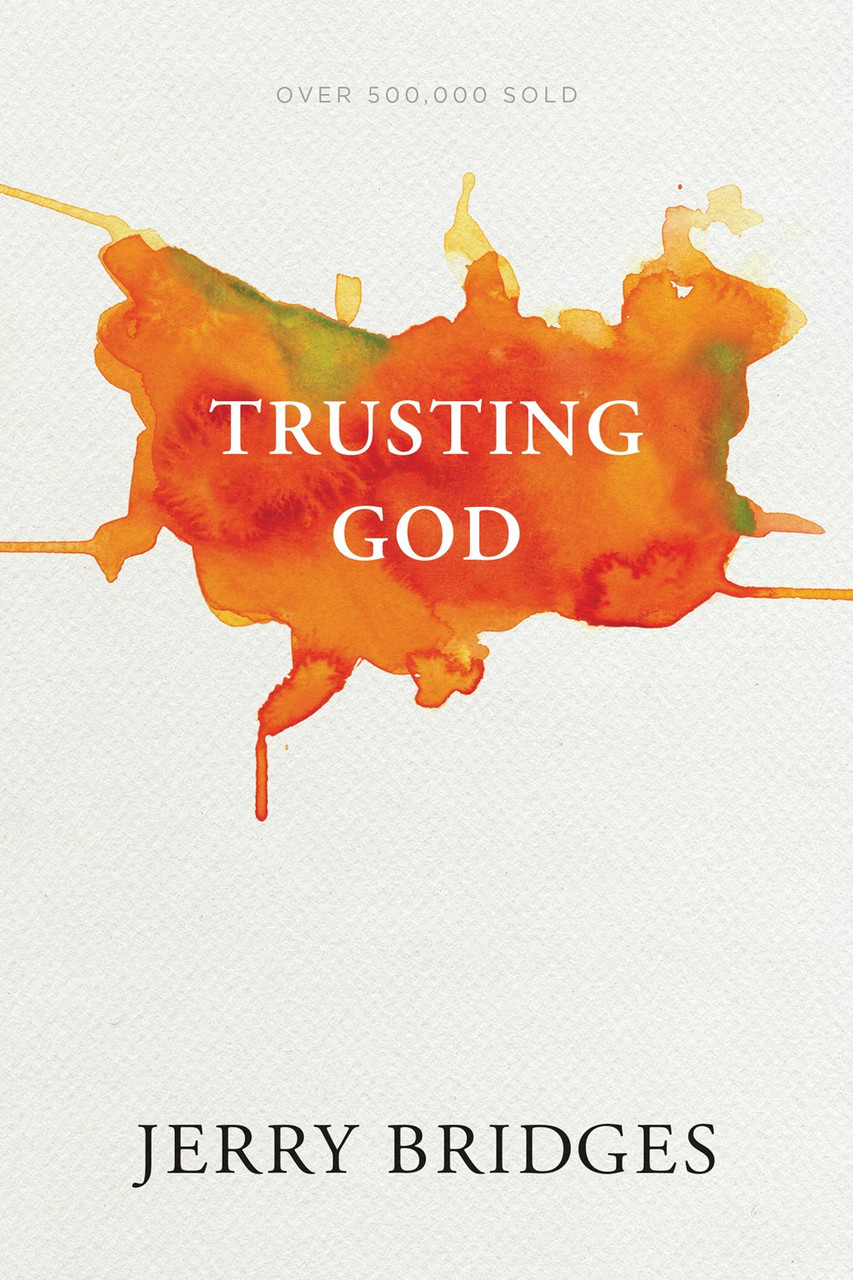
Trusting God: 2017 Paperback with Study Guide
1631467921
Jerry Bridges examines God’s sovereignty, wisdom, and love in the circumstances that make trust difficult, then connects those truths to a believer’s responsibility to obey. The 2017 NavPress paperback includes a study guide, making it a close companion to Psalm 37:5–6 for a man learning to act faithfully without trying to control the outcome.
Teach Me to Trust Your Timing
A prayer for faithful obedience when the outcome is still in God’s hands.
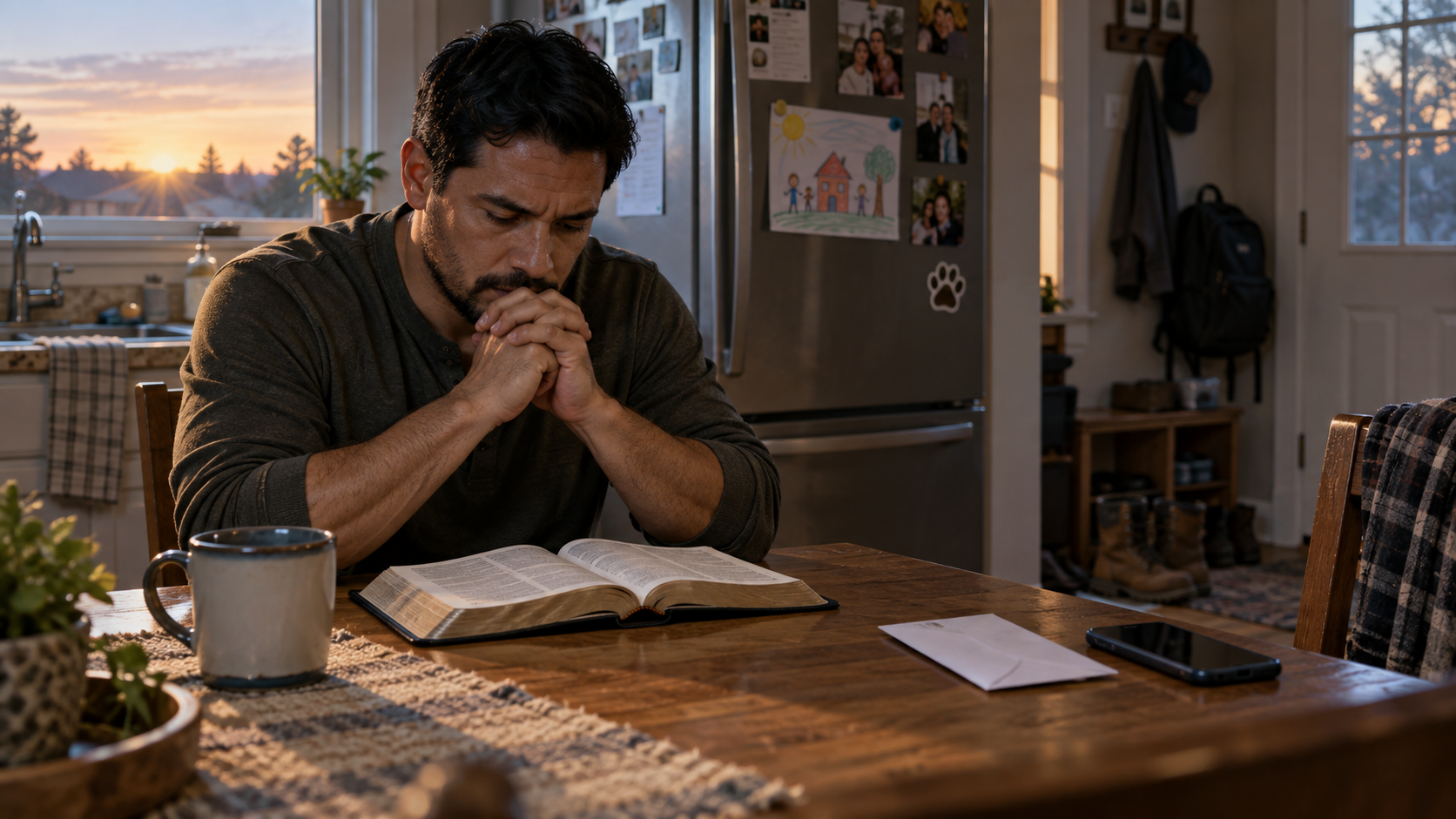
Father, I bring You the matter I have been trying to manage from every angle. You know what is at stake, what I fear losing, and how quickly uncertainty turns into worry or self-defense. Forgive me for demanding control before I obey. Teach me to place my work, reputation, relationships, and future in Your hands.
Show me the next faithful step and give me courage to take it without manipulating the result. Keep me truthful when I feel misunderstood, patient when Your timing is slow, and humble enough to receive correction. Let my conduct remain steady in the light, and help me trust that no hidden thing escapes Your just and loving care. In Jesus’ name, Amen.


Copyright Notice
Copyright © 2026 Men Building Faith. All rights reserved.
All content on this website, including text, articles, devotionals, blog posts, graphics, logos, designs, photographs, videos, downloads, and other original materials (collectively, “Content”), is owned by Men Building Faith and is protected by U.S. and international copyright laws.
No part of this site may be copied, reproduced, republished, uploaded, posted, publicly displayed, transmitted, distributed, sold, licensed, or otherwise exploited for any purpose without prior written permission from Men Building Faith, except for brief quotations used for noncommercial purposes with proper attribution and a link back to the original page.
NLT- Scripture quotations marked (NLT) are taken from the Holy Bible, New Living Translation, copyright ©1996, 2004, 2015 by Tyndale House Foundation. Used by permission of Tyndale House Publishers, Carol Stream, Illinois 60188. All rights reserved.
NIV- Scripture quotations taken from The Holy Bible, New International Version® NIV® Copyright © 1973, 1978, 1984, 2011 by Biblica, Inc. Used with permission. All rights reserved worldwide.
AMP- Scripture quotations taken from the Amplified® Bible (AMP), Copyright © 2015 by The Lockman Foundation. Used by permission
NKJV- Scripture taken from the New King James Version®. Copyright © 1982 by Thomas Nelson. Used by permission. All rights reserved
ESV- Scripture quotations are from the ESV® Bible (The Holy Bible, English Standard Version®), copyright © 2001 by Crossway Bibles, a publishing ministry of Good News Publishers. Used by permission. All rights reserved.