
Afraid, Anxious, Worried, Threatened, Uncertain, Pressured, Trusting, Courageous, Steady, Prayerful
Psalm 56:3–4 NIV
When I am afraid, I put my trust in you. In God, whose word I praise—in God I trust and am not afraid. What can mere mortals do to me?
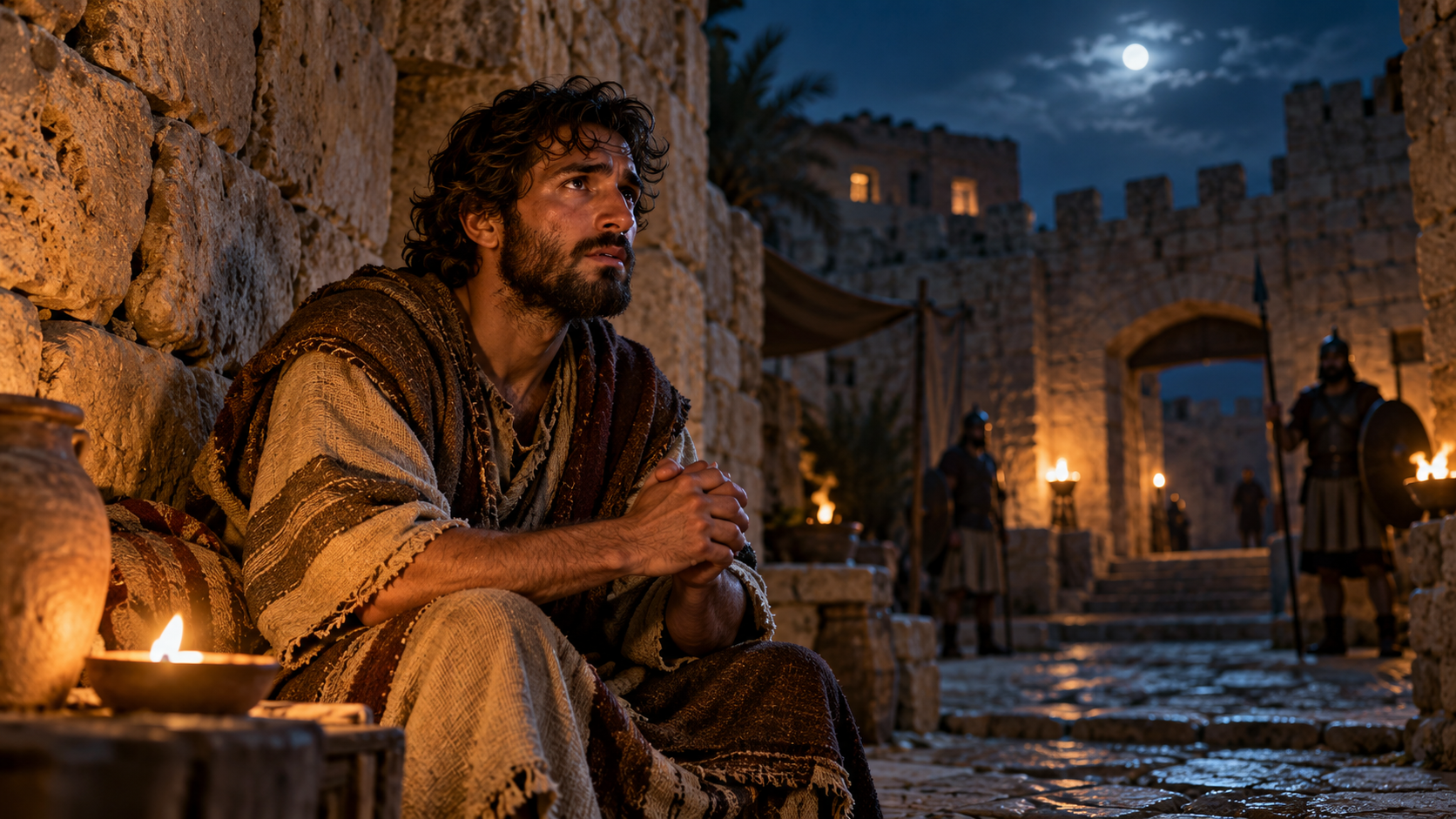
Fear rarely stays in one corner of a man’s life. A difficult conversation at work can follow him home, tighten his patience, and keep his mind rehearsing outcomes long after the house is quiet. Psalm 56 does not shame that reaction or ask him to pretend the threat is small. David speaks from danger and makes a deliberate turn: when fear rises, he puts his trust in God. That movement—from honest fear to practiced trust—offers a sturdy path for men who must act faithfully before circumstances feel safe.
Scripture Explained
Fear can travel with a man from the jobsite to the dinner table without ever being named. It may sound like irritation when a deadline slips, silence when money feels tight, or an urgent need to control every possible outcome. Psalm 56 begins from a more honest place. David does not claim that faithful people feel no fear. He describes what he does when fear arrives: he turns toward God and places the weight of his confidence there.
The superscription connects Psalm 56 with David’s danger among the Philistines in Gath. First Samuel 21 records that David fled from Saul to Achish, was recognized, became deeply afraid, and acted like a madman to escape. The heading says the Philistines seized him, though Scripture does not let us reconstruct every detail or the precise moment when the psalm was composed. What is clear is that David was threatened by enemies while cut off from ordinary security.
David’s repeated words show that trust is not a passing mood. He praises God’s word because God’s promises give him something firmer than his changing circumstances. “When I am afraid” names the actual experience; “I put my trust in you” names the chosen response. The movement matters. David brings fear into God’s presence, remembers what God has said, and refuses to let the loudest threat become the highest authority in his mind.
His question—“What can mere mortals do to me?”—does not mean people are harmless. David knew that enemies could wound, betray, imprison, and kill. The rest of the psalm describes watching, twisting words, and plotting his life. His confidence reaches deeper than physical safety: no human opponent can remove him from God’s notice, cancel God’s purpose, or have the final word over his life. Trust does not deny danger; it places danger beneath the rule of God.
Think About This
Many men respond to fear by trying to look unaffected. Some work longer, speak more sharply, withdraw from their wives, or keep checking the same numbers because activity feels safer than helplessness. Those reactions may create a brief sense of control while spreading anxiety to everyone nearby. Psalm 56 invites a different kind of strength: admitting what is frightening without surrendering leadership to it. Honest dependence on God is not passivity. It clears the mind for faithful action.
Consider what your fear says would happen if you stopped managing every outcome. Perhaps you worry that a mistake will expose weakness, that providing for your family will become impossible, or that another person’s decision will undo years of work. Trust begins by naming that feared future before God. Then it asks which part belongs to wise responsibility and which part has become an attempt to occupy God’s place. That distinction can return steadiness to a pressured decision.
What Should I Do
Put the fear into a complete sentence. Instead of saying only that you are stressed, tell God what you believe may happen and why it matters to you. Include the people you want to protect, the loss you dread, and the outcome you cannot control. Pray Psalm 56:3–4 slowly, not as a charm, but as an answer to that specific fear. Let David’s words help you move from vague tension toward honest trust.
Choose one promise of God that speaks to the responsibility in front of you, then take one obedient step while the feeling of fear is still present. You may need to tell the truth in a meeting, review the budget with your wife, make the medical appointment, apologize to a child, or decline an opportunity that would compromise your convictions. Trust becomes visible when God’s word governs the next decision instead of waiting for anxiety to disappear first.
Bring another mature Christian man into the struggle before fear turns into isolation. Tell him the real concern, not a cleaned-up version, and ask him to pray and question the assumptions driving your reaction. Wise counsel may also uncover practical work that needs attention. Prayer and planning are not rivals. A man can trust God while gathering facts, setting boundaries, resting his body, and preparing carefully, provided those actions serve obedience rather than the illusion of total control.
Learn More
Read First Samuel 21:10–15 alongside the whole of Psalm 56. Notice the gap between David’s vulnerability in Gath and the confidence expressed in the psalm. Watch how often he returns to God’s word, and notice his assurance that God sees his wandering and records his tears. The psalm ends with vows of thanksgiving and a desire to walk before God in the light of life. Fear becomes part of worship rather than a private master.
Then read Matthew 10:28–31 and Hebrews 13:5–6. Jesus does not promise his disciples freedom from human opposition; he directs their fear toward the Father who knows them and values them. Hebrews grounds confidence in God’s promise never to leave or forsake his people. Before today ends, name one fear, answer it with one promise, and take one faithful step. If fear has been ruling you in silence, invite a trusted brother to walk with you this week.



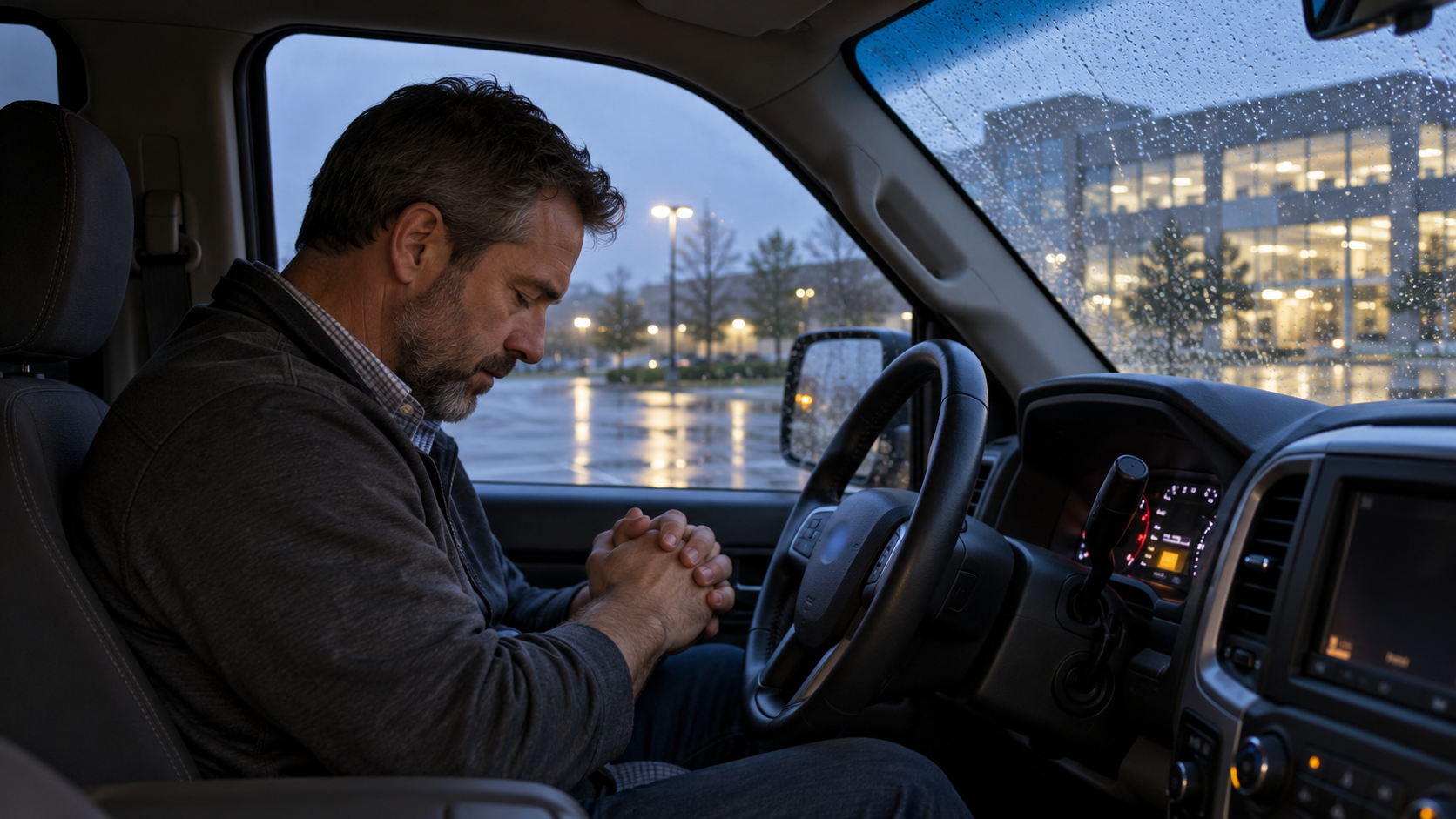
A Prayer to Trust God When Fear Is Loud
Father, You know the fear I have been carrying and the outcomes I keep trying to control. When my mind races ahead, bring me back to Your character and Your word. Teach me to tell You the truth about what frightens me and to place my confidence in Your faithful care.\n\nGive me courage for the next obedient step at home, at work, and in every hard conversation. Keep fear from turning me harsh, secretive, or withdrawn, and use a trusted brother to remind me of Your promises. I trust that no human threat can remove me from Your hand. In Jesus’ name, amen.
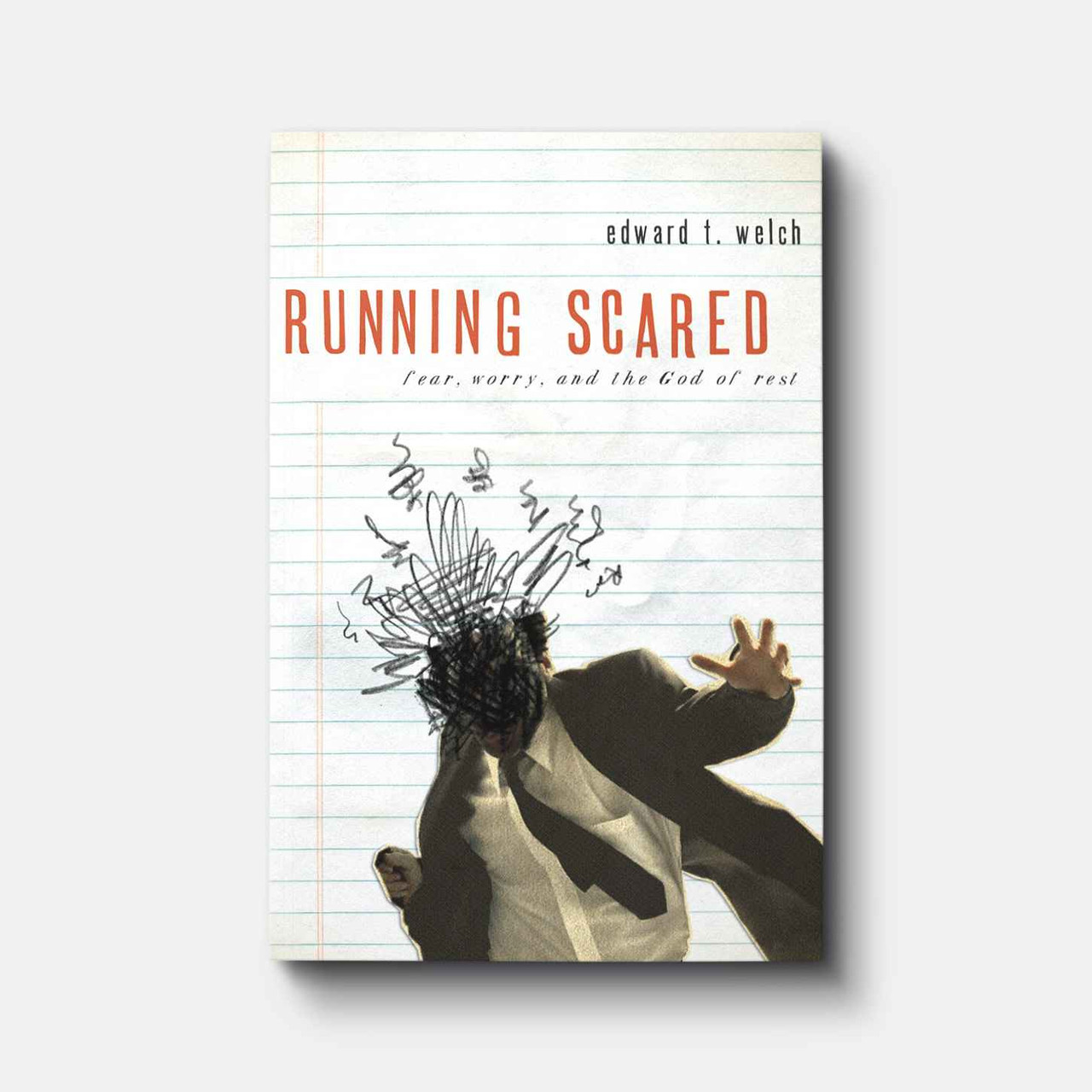
Running Scared: Fear, Worry, and the God of Rest — Edward T. Welch (First Edition Paperback, New Growth Press, 2007)
Edward T. Welch examines how fear, anxiety, and dread take hold of the heart, then leads readers through Scripture toward the peace of God’s presence and promises. Its direct attention to naming fear and answering it with trust makes it an unusually close companion to Psalm 56:3–4.
0978556755
Copyright Notice
Copyright © 2026 Men Building Faith. All rights reserved.
All content on this website, including text, articles, devotionals, blog posts, graphics, logos, designs, photographs, videos, downloads, and other original materials (collectively, “Content”), is owned by Men Building Faith and is protected by U.S. and international copyright laws.
No part of this site may be copied, reproduced, republished, uploaded, posted, publicly displayed, transmitted, distributed, sold, licensed, or otherwise exploited for any purpose without prior written permission from Men Building Faith, except for brief quotations used for noncommercial purposes with proper attribution and a link back to the original page.
NLT- Scripture quotations marked (NLT) are taken from the Holy Bible, New Living Translation, copyright ©1996, 2004, 2015 by Tyndale House Foundation. Used by permission of Tyndale House Publishers, Carol Stream, Illinois 60188. All rights reserved.
NIV- Scripture quotations taken from The Holy Bible, New International Version® NIV® Copyright © 1973, 1978, 1984, 2011 by Biblica, Inc. Used with permission. All rights reserved worldwide.
AMP- Scripture quotations taken from the Amplified® Bible (AMP), Copyright © 2015 by The Lockman Foundation. Used by permission
NKJV- Scripture taken from the New King James Version®. Copyright © 1982 by Thomas Nelson. Used by permission. All rights reserved
ESV- Scripture quotations are from the ESV® Bible (The Holy Bible, English Standard Version®), copyright © 2001 by Crossway Bibles, a publishing ministry of Good News Publishers. Used by permission. All rights reserved.