
Love, Grace, Salvation
Romans 5:8 NIV
But God demonstrates his own love for us in this: While we were still sinners, Christ died for us.
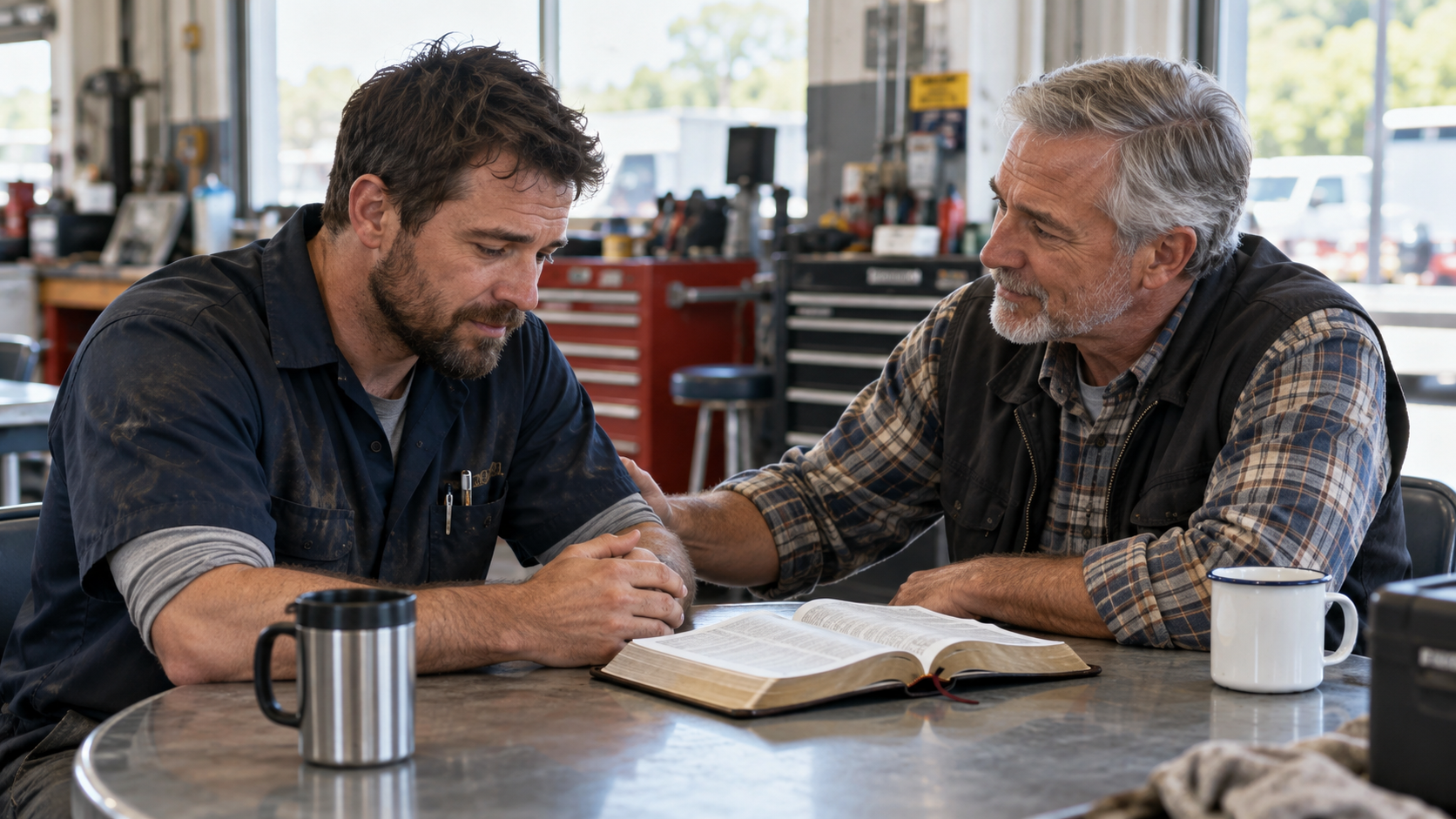
A man can spend years trying to prove that he is dependable, strong, and worth keeping around. When failure exposes what he cannot repair, shame often tells him to work harder or hide more carefully. Romans 5:8 interrupts that bargain. God did not wait for us to become respectable before moving toward us; he showed his love while we were still sinners, through the death of Christ. That truth does not make sin small. It reveals how costly grace is, and why a man no longer has to build his identity on performance, secrecy, or fear.
Scripture Explained
Many men know the pressure of being the one who holds things together. Then a failure, a hidden habit, or an old regret exposes what effort cannot repair. Paul speaks into that exposed place with news rather than advice: God has acted in Christ before any sinner could make himself presentable, and the cross shows what his love was willing to bear.
Romans 5 begins with justification by faith. Because of Jesus, believers have peace with God, access to grace, and a hope that suffering cannot finally destroy. Verse 8 belongs inside that argument and explains the ground of reconciliation. The words around it describe people as powerless, ungodly, sinners, and even enemies. God moved toward people who had neither the moral record nor the spiritual strength to claim his favor.
The phrase God demonstrates points to an objective act in history. Christ's death was not merely an example of courage. In Romans 3:23–26, Paul has already described the cross as the place where God's justice and mercy meet. Here he stresses the timing: Christ died while we were still sinners. Love did not wait for improvement. It took the initiative, absorbed the cost of reconciliation, and opened peace with God to everyone who trusts Christ.
Paul wrote to believers in Rome, a mixed community of Jewish and Gentile Christians living near the center of imperial power. The letter was probably written in the mid-first century, commonly placed in the AD 50s, though the verse itself does not supply an exact date. In a city where honor, status, and patronage shaped public life, grace overturned the usual arrangement. God's gift was not payment to impressive clients. It was mercy given to undeserving people through his Son.
Think About This
Shame tells a man that he must either conceal his worst truth or be defined by it forever. The cross tells the truth about sin without reducing a man to his sin, because it announces a love stronger than his failure. Confession can become an act of faith rather than self-destruction. A man may come into the light because his standing with God rests on Christ's finished work, not on his ability to manage appearances.
Grace does not mean that God approves of what harms us or the people around us. Romans 5:8 is not permission to excuse bitterness, dishonesty, neglect, or pride. The love shown at the cross calls us to repentance because it reveals both the seriousness of sin and the depth of mercy. Nor does the verse promise immediate relief from consequences. It gives something sturdier: peace with God and a new place from which honest change can begin.
What Should I Do
Begin by naming the area where you are still trying to earn what God gives by grace. Perhaps you measure yourself by income, control, productivity, or approval. Bring that measuring system before God and compare it with Romans 5:1–11. Confess the sin you have hidden, but also the pride that imagines you can repair yourself without Christ. If another person has been harmed, let repentance include an honest conversation and a concrete effort to make things right.
Let the cross change the tone of your closest relationships. At home, costly love may look like listening without defending yourself, apologizing plainly, or serving when no one notices. At work, it may require truthfulness that costs an advantage. In church, it may mean staying near a brother who has confessed failure instead of treating him as a project. None of these actions earns God's love; they are ways his received love begins to reshape yours.
Do not try to carry this lesson alone. Tell one mature Christian brother where performance or shame still has a grip on you, and ask him to pray with you this week. Keep the conversation specific enough to invite real accountability. Then choose one person toward whom you can practice patient, sacrificial love without expecting repayment. Let it be a faithful response to the God who moved toward you when you had nothing to offer him.
Learn More
Read Romans 5:1–11 as a whole and notice the movement from justification to peace, hope, love, reconciliation, and joy in God. Romans 3:23–26 explains why the cross reveals both God's righteousness and his mercy. Romans 8:31–39 shows the security that grows from God's action in Christ. Together, these passages keep us from turning Romans 5:8 into a vague slogan. God's love has a shape, a cost, and a name: Jesus Christ crucified and raised for sinners.
First John 4:9–11 connects receiving God's love with loving one another, while Ephesians 2:4–10 and Titus 3:3–7 make the same grace clear. Return to these texts when shame urges you to hide or pride urges you to perform. Remember what God has done, tell the truth about where you need mercy, and take one costly step of love. A man changed by the cross is not a man with nothing left to confess; he is a man who knows where to bring it.



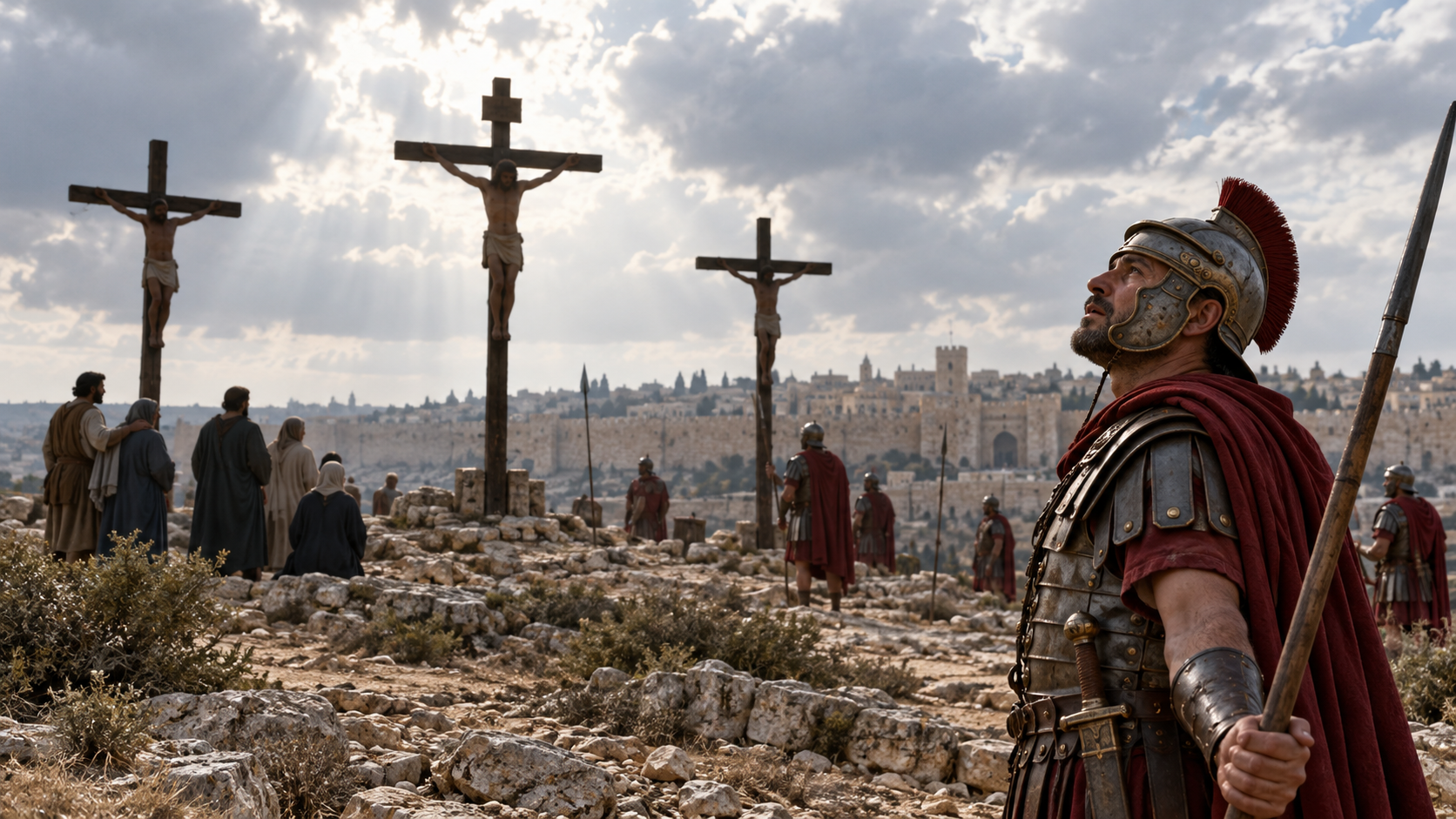
A Prayer to Receive the Love Shown at the Cross
Father, thank you that your love did not wait for me to become worthy. Bring my sin into the light, quiet the voice of shame, and teach me to trust the finished work of Christ instead of trying to earn what you have given by grace.
Let the cross reshape the way I love the people around me. Make me quick to repent, slow to condemn, and willing to serve when love costs something. Keep my confidence in Jesus, who died for me while I was still a sinner. Amen.
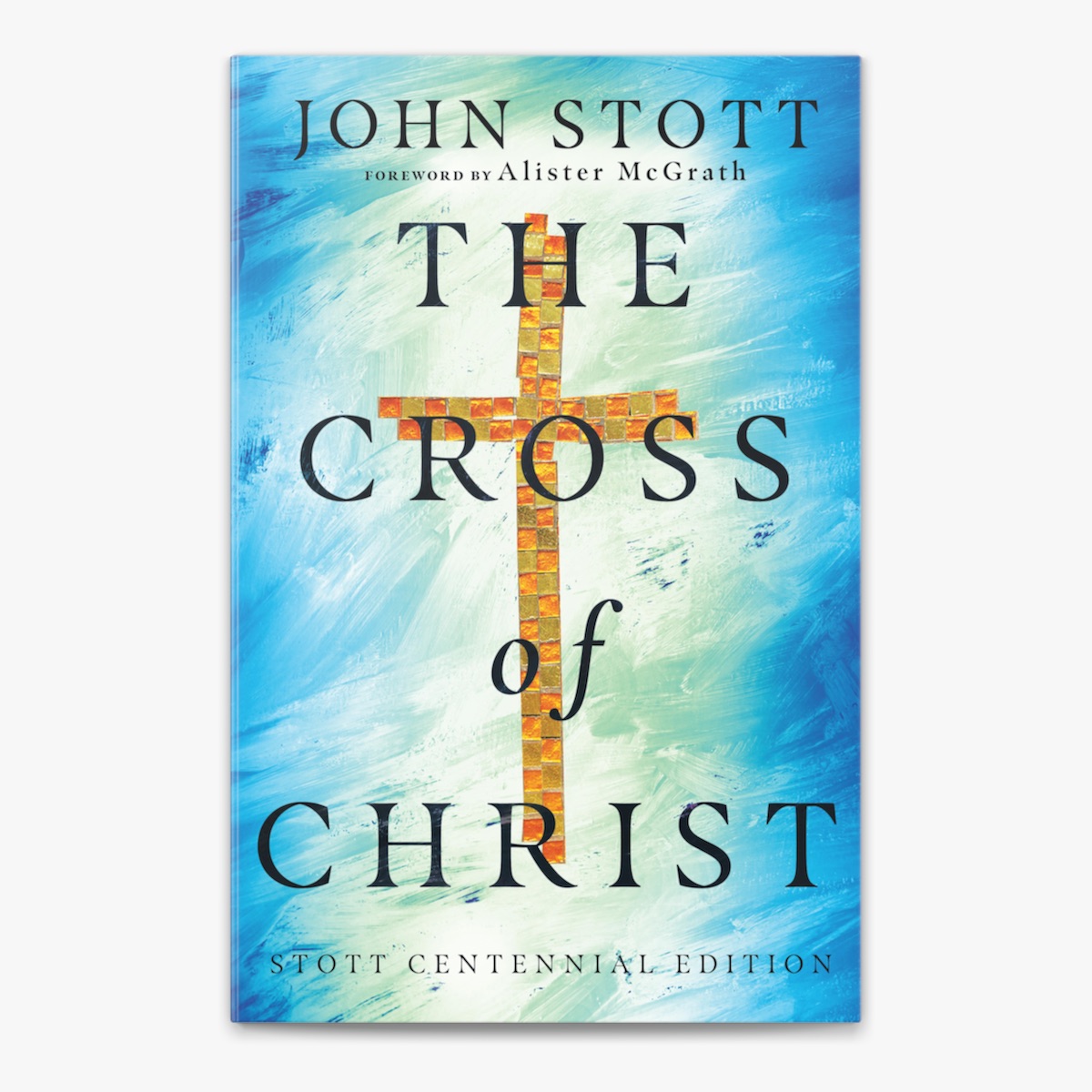
The Cross of Christ — John Stott (Stott Centennial Special Edition, Hardcover, IVP, 2021)
John Stott carefully explains why the cross stands at the center of Christian faith, addressing sin, forgiveness, reconciliation, suffering, and the life that follows grace. This Centennial Special Edition fits Romans 5:8 directly because it helps a man understand the costly love God demonstrated in Christ rather than treating the verse as a general message of encouragement.
0830839100


Copyright Notice
Copyright © 2026 Men Building Faith. All rights reserved.
All content on this website, including text, articles, devotionals, blog posts, graphics, logos, designs, photographs, videos, downloads, and other original materials (collectively, “Content”), is owned by Men Building Faith and is protected by U.S. and international copyright laws.
No part of this site may be copied, reproduced, republished, uploaded, posted, publicly displayed, transmitted, distributed, sold, licensed, or otherwise exploited for any purpose without prior written permission from Men Building Faith, except for brief quotations used for noncommercial purposes with proper attribution and a link back to the original page.
NLT- Scripture quotations marked (NLT) are taken from the Holy Bible, New Living Translation, copyright ©1996, 2004, 2015 by Tyndale House Foundation. Used by permission of Tyndale House Publishers, Carol Stream, Illinois 60188. All rights reserved.
NIV- Scripture quotations taken from The Holy Bible, New International Version® NIV® Copyright © 1973, 1978, 1984, 2011 by Biblica, Inc. Used with permission. All rights reserved worldwide.
AMP- Scripture quotations taken from the Amplified® Bible (AMP), Copyright © 2015 by The Lockman Foundation. Used by permission
NKJV- Scripture taken from the New King James Version®. Copyright © 1982 by Thomas Nelson. Used by permission. All rights reserved
ESV- Scripture quotations are from the ESV® Bible (The Holy Bible, English Standard Version®), copyright © 2001 by Crossway Bibles, a publishing ministry of Good News Publishers. Used by permission. All rights reserved.